
Why Wild Birds Do Not Get Diabetes Despite High-Sugar Diets
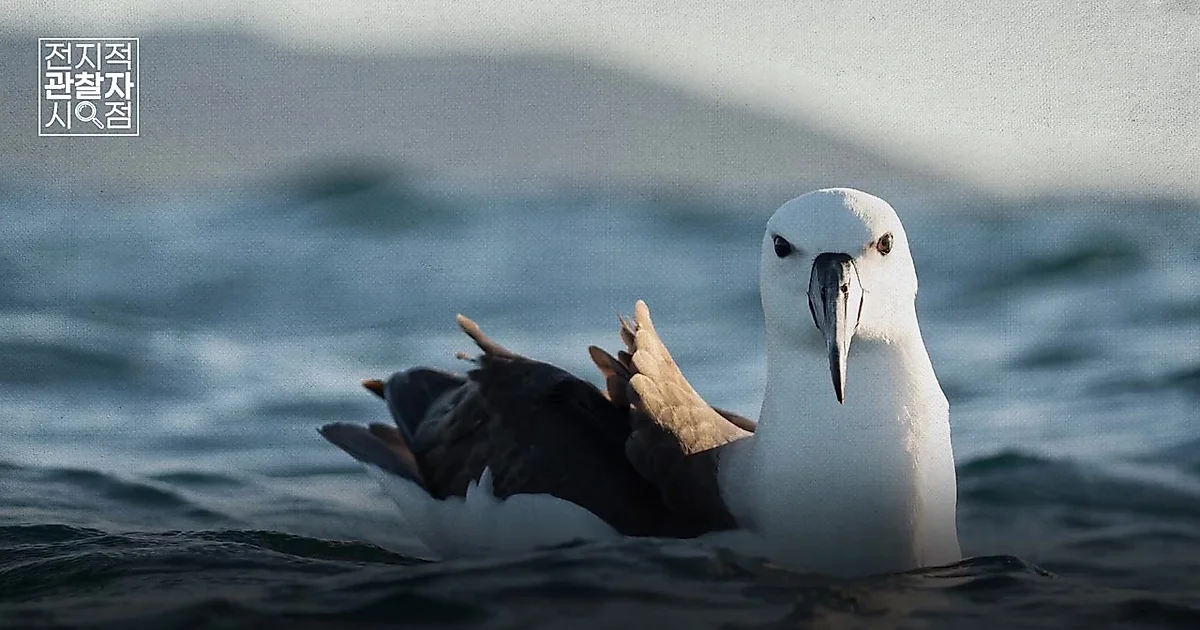
Why do wild animals that rely on high-sugar fruits or flower nectar as their staple food not suffer from diabetes or obesity like humans? Recent research and evolutionary biological perspectives have revealed the correlation between the metabolism and aging of wild animals.
Metabolic capacity created by genetic adaptation and constant activity
According to a study recently published in the journal 'Science', researchers from Harvard University in the United States and the Max Planck Institute in Germany conducted a study on birds that primarily consume flower nectar. After analyzing birds with similar lifestyles of sipping nectar, such as hummingbirds in the United States or sunbirds in Africa, despite being in different regions, it was found that they do not develop diabetes despite high sugar intake.
In the video 'Choe Jae-chun's Amazon', Professor Choe Jae-chun identified the cause of this phenomenon in genetic adaptation and high activity levels. Analyzing the genes of birds shows that throughout the history of evolution, the genes involved in metabolic rates themselves have changed, resulting in adaptation to high-sugar diets. This is also commonly observed in primates such as the Javan gibbon, which lives mainly on fruit in the jungles of Indonesia. Wild primates also consume foods with high sugar content, but it is rare for them to suffer from diabetes.
In particular, birds have a physical structure that requires them to move constantly for survival. The video cited the 'hovering' motion performed by hummingbirds to maintain a stationary position in the air just before entering a flower as an example. This motion, where they hold their position by rotating their wings in reverse, is an extreme exercise that consumes much more energy than simply flying. Such an environment, which requires immense amounts of exercise at every moment, plays a decisive role in converting high sugar intake into energy.
Birds that live longer than researchers, a key model for aging research
High metabolic rates and activity levels are closely related not only to diabetes but also to the speed of aging. Seabirds such as albatrosses or great shearwaters boast long lifespans, to the extent that they are still laying eggs even after the young scholars who first began observing them by attaching rings have passed away. While mammals undergo the aging process after a certain point, some birds show patterns where aging progresses very slowly or appears to almost stop.
This is also why aging researchers take birds as important research subjects. This is because animals that cannot maintain life without moving show characteristics of not undergoing aging. This stands in stark contrast to the sedentary lifestyle of modern humans. Except for about 10,000 years ago when humans began agriculture, for most of the past 300,000 years of history, humans lived a 'nomad' life, moving constantly. There exists an evolutionary background where, rather than sleeping deeply at night, they had to be sensitive to surrounding movements and remain active.
Suggestions for modern human health: "You must move to live"
In the evolutionary process, modern humans left the forests to come out to grasslands and began agriculture, thus not having the opportunity to genetically adapt to high-sugar diets and sedentary lifestyles. In particular, the habit of sitting and watching TV or resting while eating fruit after dinner becomes a fatal factor that triggers metabolic diseases due to the combination of sugar intake and lack of activity.
Professor Choe refuted the general concern that using joints and muscles promotes aging by providing medical evidence. The conclusion of modern medicine is that 'nothing wears out.' Rather, using muscles and joints appropriately makes the body stronger and more active. Based on his own experience, he explained that while he used to exercise mainly by walking due to concerns about knee health, combining it with a moderate level of running after consulting a doctor is helpful for health.
Ultimately, the lesson provided by the case of wild animals is clear. The reason bats and birds are free from aging and diabetes is that their lives themselves are designed on the premise of 'movement.' For modern people who have become accustomed to comfortable chairs, beds, and sedentary living environments, what is most needed is an active life that constantly utilizes the body.
Related Articles
Tropical fish captured off the coast of Ulsan, flowing into the East Sea via warm currents

Five households remaining along the 51km path of the Donggang River, living in remote villages connected by rope boats

Difference Between Mangrove Horseshoe Crabs and Venomous Species: How to Distinguish Them by Shape

Snapping Turtle Captured in Seoul's Hongjecheon Stream, Large Specimen Difficult to Lift with One Hand

5,000 Golden Mandarin Fish Released in Hwacheon, Gangwon, Starting Restoration of Natural Monument

Reservoirs Dried Up by Drought: Why Bullfrog Fishing Failed

65 Species of Native Creatures Found in Hongcheon Stream Gathered in a Mobile Aquarium

800 Mountain Goats Survive in DMZ Rocky Areas... Wild Ecosystem Blocked by Barbed Wire

The reason the moon looks larger is due to perigee and optical illusions

The 'Lek' of Birds Gathering Similar Males: Is it a Strategy Targeting Females' Decision Paralysis?

The Changes in Paldang Lake Fisherman Seong-ju and Gumchi, and the Spawning Grounds Lost to Sediment Inflow
Komodo dragon's hunting secret is venom glands and serrated teeth, not bacteria in saliva
Deep-sea creatures at Nagoya Aquarium: The characteristics of the 16cm Scaly-foot Snail where females parasitize males
Fish Survey in Wangsukcheon Stream Confirms Species Ranging from Mandarin Fish and Draco to Endangered Sira

The Monk of Mungyeong Bongamsa Temple's Cave: A Life Coexisting with Squirrels and Butterflies in a 40-Year-Old Rock Crevice
Estimated 20 Musk Deer at Haesanryeong Pass: A Record of the Wild Found Through Tracking Traces

Why Forest Walks in Germany Help Relieve Pain in the Elderly

How squirrels and flying squirrels recycle forest nests to raise their young
Why the Stone Buddhas of Namsan Mountain in Gyeongju are Connected to the Ecosystem
Comments 0