
Difference Between Mangrove Horseshoe Crabs and Venomous Species: How to Distinguish Them by Shape
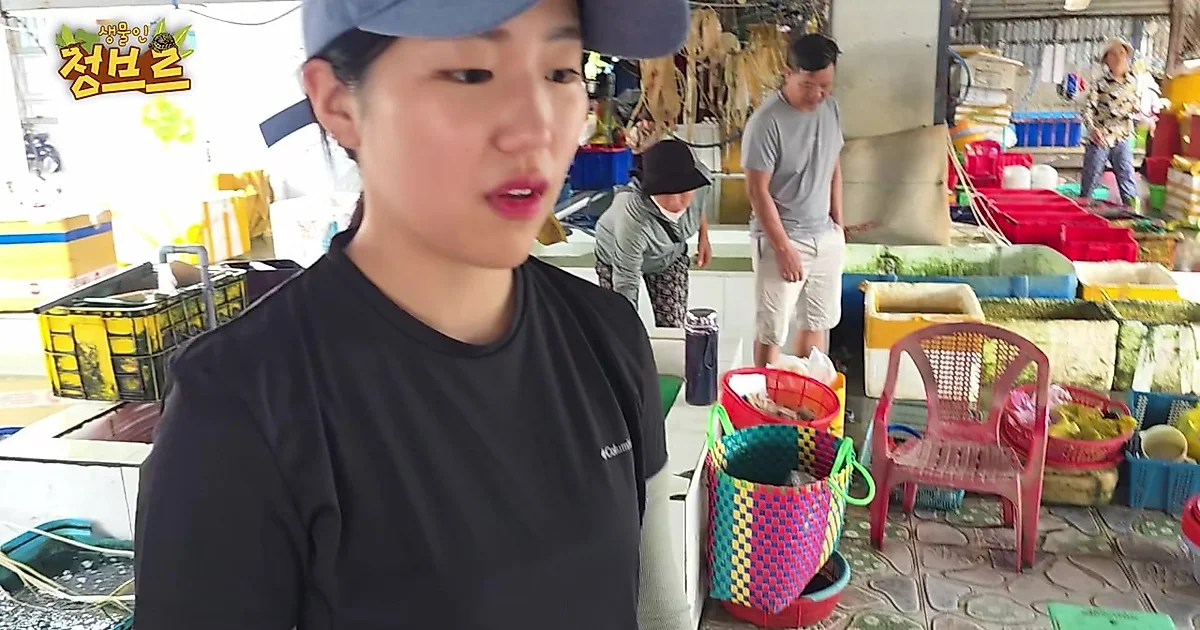
According to a video by Jeongbeureu exploring the mangrove regions of Vietnam to find horseshoe crabs, which are called living fossils, caution is required as the toxicity of the horseshoe crabs found on-site varies depending on the species. The video shows the morphological differences between non-venomous species and species that may be venomous using horseshoe crabs collected with a trap.
Relatives of Spiders and Scorpions, the Unique Ecology of Horseshoe Crabs
The horseshoe crabs collected on-site possess biological characteristics that differ from typical crabs. According to the explanation from the presenter in the video, horseshoe crabs are creatures that are genetically related to spiders or scorpions. They have a total of 12 legs, and among them, the claw parts take on a sharp shape like toothpicks. They crawl along the bottom and bring organic matter such as shellfish or dead carcasses to their mouths to consume.
In addition, horseshoe crabs do not just crawl on the bottom, but also swim in the water using fin-like legs attached to their bellies. In the video, an individual presumed to be a mangrove horseshoe crab was captured swimming by moving flappy-flappy in the water. They maintain a unique appearance enough to be called 'living fossils' that have survived since the age of dinosaurs. The presenter mentioned that the appearance of these horseshoe crabs is in line with creatures that have unusual appearances, such as the coelacanth, the wolf fish of Suriname, the long-tailed shrimp of Nokwon, the prawn, and the nautilus.
Triangles and Circles: Distinguishing Horseshoe Crab Toxicity by Shape
The most core content covered in the video is the method for distinguishing the toxicity of horseshoe crabs. Not all horseshoe crabs are dangerous, but certain species possess fatal venom, making distinction essential. The presenter explained the morphological differences by comparing two collected horseshoe crabs.
The method of distinction is to check the shape of the front part of the horseshoe crab. Among the horseshoe crabs appearing in the video, one has a front part that is angular like a triangle, while the other is close to a round circle. The presenter mentioned that the triangle-shaped horseshoe crab is non-venomous, but the species with a round shape may have venom. In particular, he emphasized that individuals with specific appearances, such as the red-eyed species found in places like Australia, may be venomous and must never be consumed. As a case was mentioned where a local died after consuming a horseshoe crab by mistake, consuming them without accurately distinguishing their appearance is a very dangerous action.
The Rich Underwater Ecosystem of the Mangrove Region
The mangrove region of Vietnam where horseshoe crabs inhabit is an estuary where freshwater and seawater meet, a place where very diverse underwater creatures coexist. In the video, when the trap is pulled up, it shows not only horseshoe crabs but also squid, webfoot octopus, and various types of fish being caught together. In places where traps of 10–15kg scale were installed, various fish species poured out along with the horseshoe crabs.
The ecosystem confirmed through local fishing activities includes mullet, catfish species, and fish with unusual eyes. In particular, the mangrove region is an environment where trees are densely packed, forming a unique ecological environment different from the typical blue sea. The presenter confirmed the liveliness of the living fossils by directly collecting horseshoe crabs within this natural environment. At the end of the video, the triangle-shaped horseshoe crab, which was confirmed to be non-venomous, is shown being grilled over a fire and eaten along with its eggs.
Related Articles

Snapping Turtle Captured in Seoul's Hongjecheon Stream, Large Specimen Difficult to Lift with One Hand

5,000 Golden Mandarin Fish Released in Hwacheon, Gangwon, Starting Restoration of Natural Monument
Reservoirs Dried Up by Drought: Why Bullfrog Fishing Failed
65 Species of Native Creatures Found in Hongcheon Stream Gathered in a Mobile Aquarium
800 Mountain Goats Survive in DMZ Rocky Areas... Wild Ecosystem Blocked by Barbed Wire
The reason the moon looks larger is due to perigee and optical illusions

The 'Lek' of Birds Gathering Similar Males: Is it a Strategy Targeting Females' Decision Paralysis?
The Changes in Paldang Lake Fisherman Seong-ju and Gumchi, and the Spawning Grounds Lost to Sediment Inflow
Komodo dragon's hunting secret is venom glands and serrated teeth, not bacteria in saliva
Deep-sea creatures at Nagoya Aquarium: The characteristics of the 16cm Scaly-foot Snail where females parasitize males
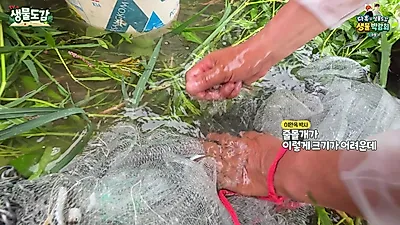
Fish Survey in Wangsukcheon Stream Confirms Species Ranging from Mandarin Fish and Draco to Endangered Sira
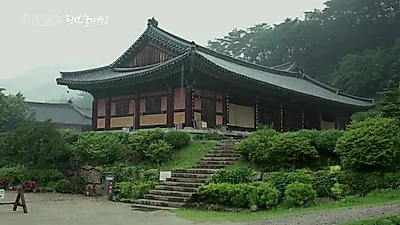
The Monk of Mungyeong Bongamsa Temple's Cave: A Life Coexisting with Squirrels and Butterflies in a 40-Year-Old Rock Crevice
Estimated 20 Musk Deer at Haesanryeong Pass: A Record of the Wild Found Through Tracking Traces
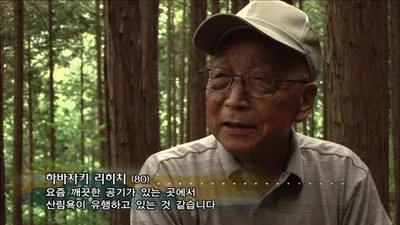
Why Forest Walks in Germany Help Relieve Pain in the Elderly
How squirrels and flying squirrels recycle forest nests to raise their young
Why the Stone Buddhas of Namsan Mountain in Gyeongju are Connected to the Ecosystem
Drinking and fighting—all with the neck: How giraffes live
20 Years in the Wild, 30 in Captivity: The Difference in Pandas’ Lifespans
'Red Shadow of the Forest'… The Red Panda, a Small, Solitary Resident of High-Altitude Forests
Comments 0