
The Monk of Mungyeong Bongamsa Temple's Cave: A Life Coexisting with Squirrels and Butterflies in a 40-Year-Old Rock Crevice
At Bongamsa Temple on Mount Huiyang, Monk Mansong lives in a small cave, practicing asceticism while coexisting with various wild animals.
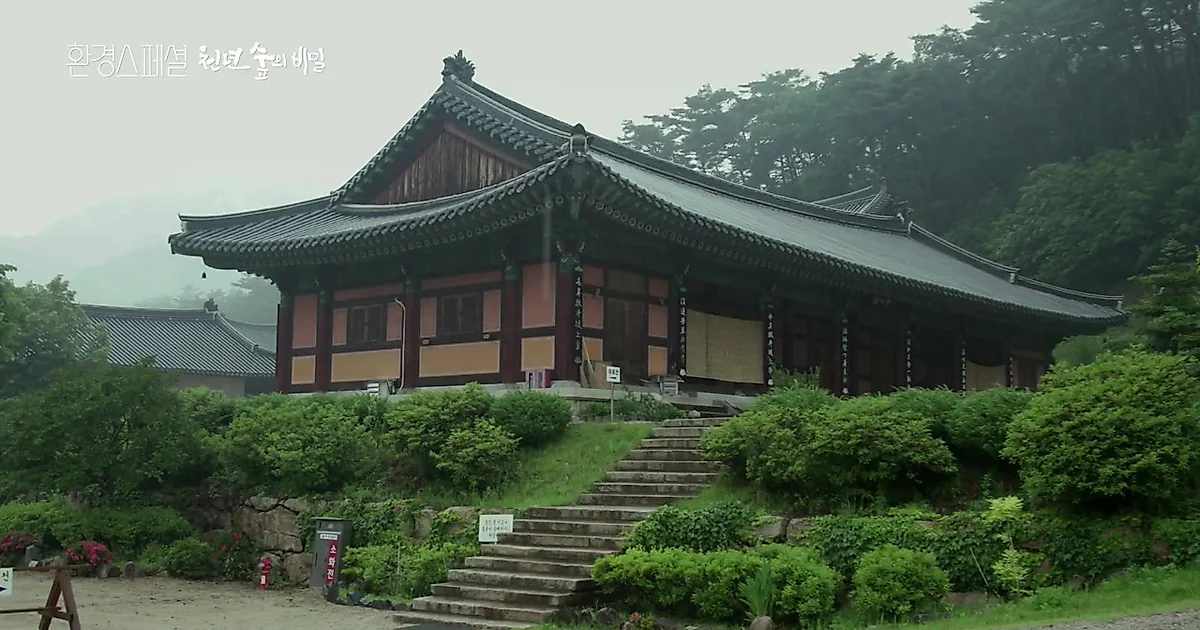
At Bongamsa Temple, a thousand-year-old temple located at the foot of Mount Huiyang in Mungyeong, Gyeongsangbuk-do, there is a small cave under a rock created 40 years ago. Here, Monk Mansong has been practicing asceticism alone for five months, sharing a space with wild animals such as squirrels, butterflies, Harlequin toads, and short-tailed vipers. According to the KBS Animal TV : Animal for You animal4u video, the monk coexists with nature by regarding these creatures as the masters of the cave and treating himself as a guest.
"Every living thing has its own way"... A practice of coexistence without interference
The Wolbong Cave Hermitage, located at the 999m peak of Mount Huiyang, sits beneath a massive rock. Here, Monk Mansong continues his 'poheng' (walking meditation), which is an extension of his ascetic practice, while observing the order of nature. While acknowledging that animals like wild boars or Baekdusa could potentially interfere with his practice, he follows the flow of nature without taking futile steps.
Inside the cave, squirrels, butterflies, and Harlequin toads spend their mornings and evenings, and short-tailed vipers stay to enjoy basking in the sun. "They are all the masters of this cave, and I am a guest," says the monk, respecting the living beings that each have their own territory. Since every living thing has its own way of living, the core of the monk's practice of respecting life is to respect one another without interfering. Through inner peace, the monk accepts things as they are, continuing his practice of being alone without feeling lonely.
Nights in the forest where the food chain and laws of survival intersect
Unlike the quiet cave where the monk stays, the forest of the thousand-year-old temple transforms into a fierce site of survival when night falls. A mother owl hunts squirrels and field mice to provide food for her chicks. Following the laws of the wild, the mother does not share the prey, and even if a chick that fell from the nest requests rescue, she does not help if the chick cannot overcome it on its own. This demonstrates the stern teachings of the wild, where one must survive alone.
The night in the forest is also a battlefield for various predators. In places where wild boars have finished bathing in pine resin to remove pests, badgers appear to hunt snakes, field mice, and caterpillars. Additionally, the hunting methods of spiders, which wait secretly for prey using webs, are observed. Once a spider detects a target by sensing air vibrations, it binds the prey with silk to enjoy its own feast. In this way, life and death constantly intersect in the forest, repeating a cycle where one death gives birth to new life.
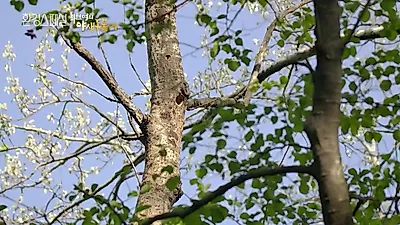
Meanwhile, the areas surrounding old temples such as Woljeongsa Temple have high ecological value compared to general land, as they are rich in natural monuments and scenic spots. Flying squirrels, which nest in tree hollows, move without stepping on the ground by using their membranes, and tree sap serves as an important nutrient source for insects, making the temple forests themselves a massive treasure trove of ecosystems.
Comments 0