
Estimated 20 Musk Deer at Haesanryeong Pass: A Record of the Wild Found Through Tracking Traces
Wildlife researcher Choi Hyun-myung tracks animal footprints, excrement…
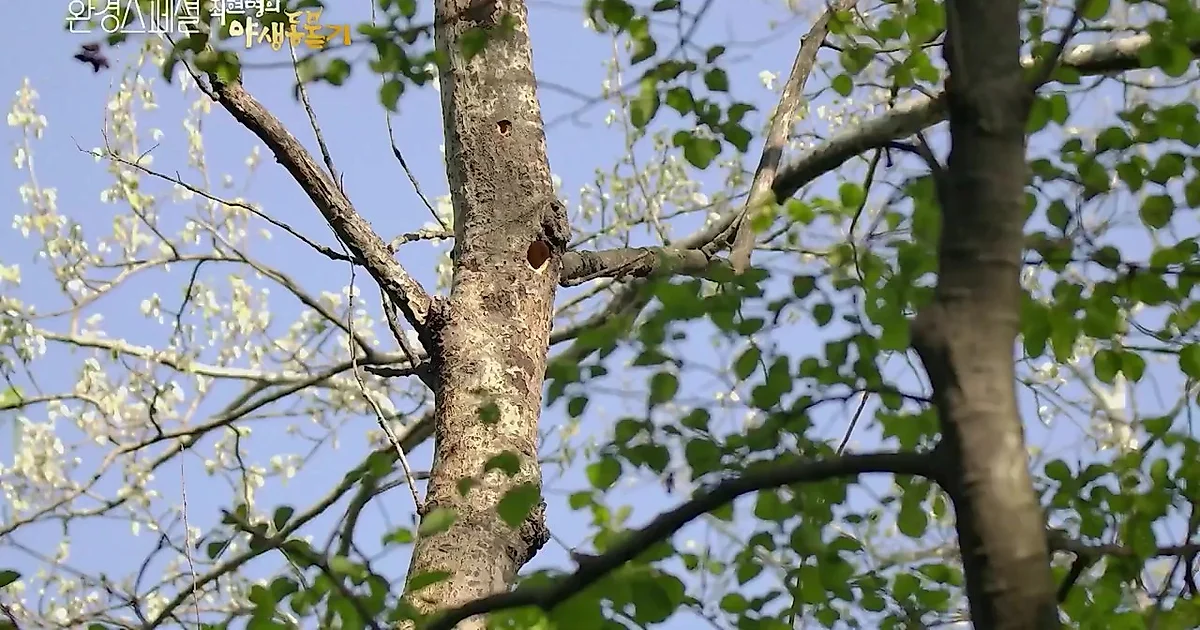
Wildlife is not easily seen, but the footprints, excrement, and claw marks left on trees contain vivid records of survival. According to the video from KBS 'UHD Environment Special - Episode 16: Choi Hyun-myung's Wildlife Journal' (broadcast on June 24, 2021), wildlife researcher Choi Hyun-myung is continuing his journey to create the 'Wild Animal Encyclopedia of the Korean Peninsula' by tracking these traces.
The Daily Lives of Animals Contained in Footprints on Snow and Tree Marks
Winter is the best season to discover the traces of wildlife. This is because the movements of animals are revealed clearly on the freshly accumulated snow, like drawing a picture on a canvas. Choi Hyun-myung discovered traces of deer near Haesanryeong Pass in Gangwon Province. The deer's footprints left on the snow had a narrow width between the hooves, which means the deer walked very slowly and steadily. Additionally, through the traces of deer digging through the snow with their front paws, it was possible to tell that they were searching for and eating acorns. In the case of wild boars, they leave traces of biting into pine trees with their teeth to obtain resin; after a mud bath, they rub their bodies against trees with flowing resin to mark their territory or to scratch itchy spots and remove parasites. The video also captures him correctly identifying peeled tree branches as traces of a three-pronged deer peeling the bark to manage its antlers.
Traces and Survival Strategies of an Otter Family
Excrement found on rocks by the river is like a 'business card' announcing the presence of an otter. Otters leave droppings throughout their territory to mark their existence. The video captures the process of meeting an otter family by tracking the traces of breath left by otters under the ice. Otters are big eaters that consume more than 1kg a day, and they hunt fish constantly, especially during the winter when they need a lot of energy. Young otters, who are still clumsy at swimming and hunting, sometimes pester their mothers for food, and they become independent when they are about one year old. Choi Hyun-myung has been studying animal ecology through various materials collected while wandering the wild for over 20 years, such as wild boar excrement, leopard droppings, and fur showing traces of deer being eaten.
The Final Page Toward the Endangered Musk Deer
The final goal of Choi Hyun-myung's research and dream is to meet the musk deer, a globally endangered species. While they were distributed nationwide before the 1970s, it is currently estimated that about 20 individuals remain in the DMZ area, including Haesanryeong Pass in Hwacheon, Gangwon Province. To find traces of the musk deer, Choi visits Haesanryeong Pass in Hwacheon, Gangwon Province, to attempt stakeout observations. Based on the passion he showed while roaming Mongolia and Inner Mongolia to find wolves that had disappeared from Korea in the past, he is working to fill the final page of the 'Wild Animal Encyclopedia of the Korean Peninsula' he wishes to create by tracking the traces of the musk deer. His dream is to complete an encyclopedia where those curious about specific species, such as water deer or raccoons, can check all the traces, habits, and dietary data of that species just by opening a single book.
Comments 0