
How squirrels and flying squirrels recycle forest nests to raise their young
According to KBS Environment Special, forest animals use unique residential strategies, such as building nests or recycling existing structures…
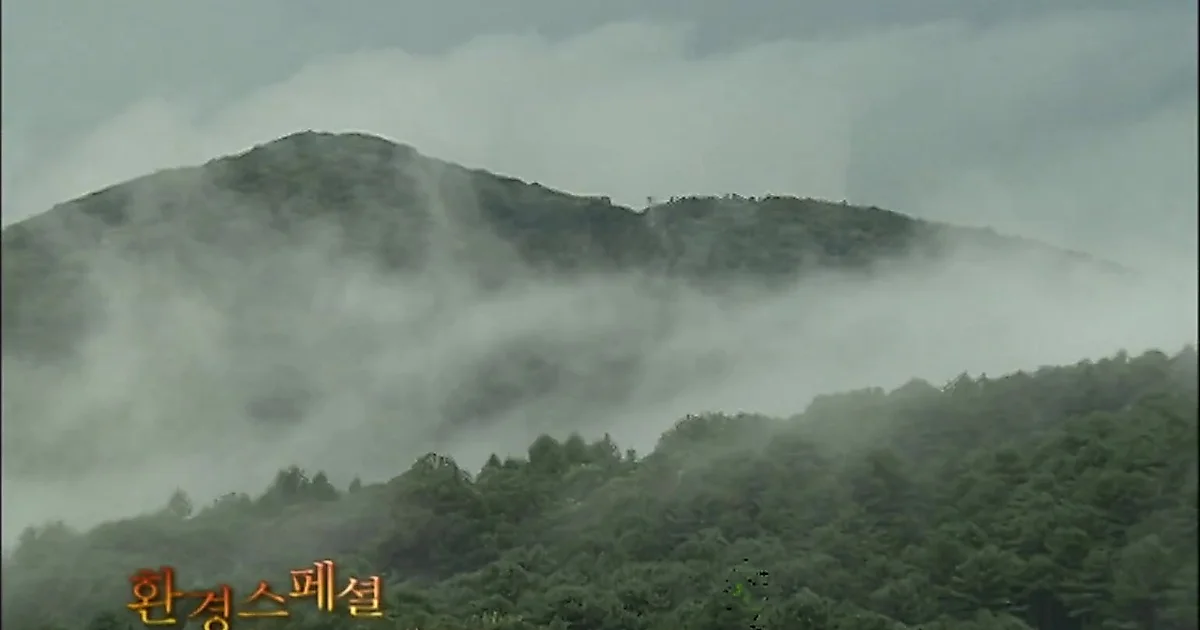
According to the [Forest, Wild Neighbors] segment of KBS Environment Special, wild animals in the forest use unique residential strategies utilizing their surrounding environment for survival and species preservation. Squirrels, flying squirrels, and nuthatches build homes in their own ways or renovate existing structures to create nurseries for their young, while insects also create sophisticated cradles using plant leaves to sustain life.
Different Nest Building Methods of Squirrels and Flying Squirrels
Various types of homes exist in the trees of the forest. Squirrels gather twigs and pile them up in a circle to make a nest, which can take the shape of a magpie's nest or a rugby ball. In particular, they complete their shelters by attaching moss to the entrance area. Inside the nest, they add comfort by lining it with dry grass and animal fur. In the video, five-day-old squirrel pups were captured huddling together to share body heat, even before they had grown fur. These young ones inherit their parents' genes and show characteristics advantageous for climbing trees, such as long and distinct claws. To avoid the danger of predators, mother squirrels sometimes decide to move, carrying their young in their mouths to a new, safe shelter. During this process, the mother shows meticulous care by stopping briefly to lick her young and carefully check their condition.
On the other hand, flying squirrels utilize holes in silver birch trees as residences. Last year, a pair of flying squirrels was seen moving into a hole dug by a woodpecker early on. In particular, the way flying squirrels decorate their nests is very unique. They scrape the inside of the tree one strand at a time to create soft wood fiber (shiroragi), which they then spread on the floor to use like a blanket. Although this hole nest is only about the size of a palm, it provides enough space to raise young and serves as one of the top luxury homes in the forest.
Residential Strategies of Forest Animals Recycling Existing Structures
In the forest ecosystem, the phenomenon of 'reconstruction,' where one animal recycles or renovates a home made by another animal, occurs frequently. When a nuthatch finds a tree hole dug by a woodpecker, it renovates the house by applying mud to narrow the entrance. This loess construction acts as a defense mechanism to prevent the intrusion of large birds or predators. Nuthatches usually lay about seven chicks per brood, and the male and female work together to carry food and raise the young. Typically, the male captures the food while the female takes on the role of feeding the young inside the nest.
Intense struggles also occur during this process of nest utilization. The video shows a scene where a great tit approaches, eyeing the nuthatch's sturdy hole nest, capturing a struggle for the nest between the nuthatch couple and the great tit. Additionally, it was confirmed that flying squirrels, who find it difficult to obtain tree holes, recycle twig nests made by squirrels to raise their young. The process of a flying squirrel mother and her young, having lost their hole nest, clinging desperately to a branch before eventually moving into a squirrel's nest, shows another choice made for survival.
Sophisticated Cradles Made by Insects Using Leaves
Not only animals but also insects create sophisticated egg cradles using plant leaves. The female weevil, a small insect less than 6mm long, wraps leaves in multiple layers and then pierces holes in the edges of the rolled leaves to lay her eggs inside. After mating, once the male leaves, the remaining female cuts the leaves and makes holes to create a hideout for the eggs. The larvae that hatch from these comfortable cradles grow by eating the leaves made by the mother.
The caterpillar of the large swallowtail butterfly shows skilled house-building abilities, earning it the title of the forest's architect. This caterpillar builds its house by spraying silk to fix a leaf and then pulling its mouth to roll the leaf into a circle. This process takes less than 30 minutes, and the completed house provides a well-ventilated environment that is safe from predators. In this way, the forest ecosystem is connected through the ingenious survival strategies, recycling, and the mystery of coexistence possessed by each living thing.
Comments 0