
Snapping Turtle Captured in Seoul's Hongjecheon Stream, Large Specimen Difficult to Lift with One Hand
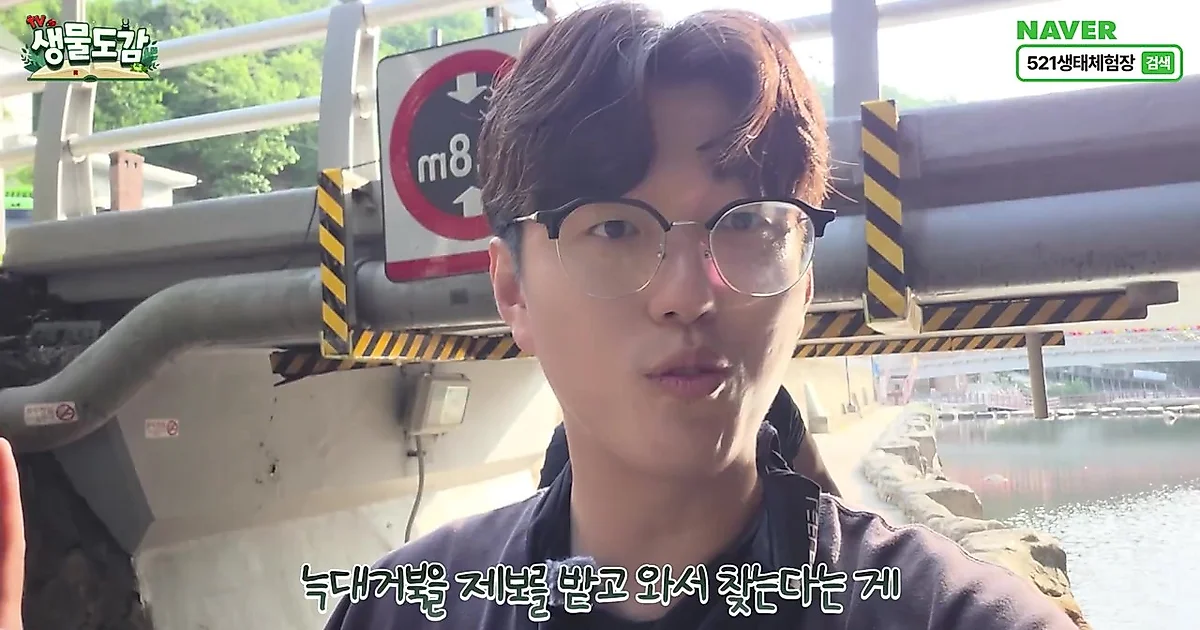
A large adult snapping turtle, an invasive species that has been continuously sighted in the Hongjecheon Stream area of Seoul, has been confirmed. According to a video from the YouTube channel 'TV Saengmul Dogam', reports of snapping turtles appearing near Hongjecheon have been steadily coming in since last spring, and after several months of tracking, a large specimen was captured around August.
Tracking Reports and the Discovery Process of the Hongjecheon Snapping Turtle
Since last spring, videos and sightings announcing the appearance of snapping turtles have followed in Hongjecheon Stream. The presenter in the video estimated that the specimen found near the bridge, the first reported location, would be moving and active within a radius of approximately 1km. In particular, a video released through SNS captured the snapping turtle tenaciously climbing up a river railing. The presenter estimated that the individual in this video would be the same one discovered previously.
Snapping turtles are diurnal creatures with a habit of seeking shelter and hiding when the sun sets. The presenter explained that the process of finding a snapping turtle is very difficult. While the probability of discovery is extremely low even when receiving reports in wide areas like the Han River, the possibility of capture is relatively high in streams like Hongjecheon when a report is made. The video shows the presenter continuing the search at night using a lantern and utilizing reflected light, even while in poor physical condition. The search was conducted by taking advantage of the fact that the water is actually easier to see at night because there is no reflected light.
Capture of an Unprecedentedly Large Adult Snapping Turtle
After several attempts, a large snapping turtle was finally captured at a certain point in Hongjecheon Stream. At the scene, a team member accompanying the presenter entered the water to conduct the search, and the captured specimen boasted a size so large that it was difficult to lift with one hand. The presenter stated that this individual appears to be the protagonist of the numerous reports that have continued so far. At the scene, the capture was achieved through tenacious searching even in a situation where securing visibility was difficult due to muddy water.
The captured snapping turtle has a long tail and feet reminiscent of a dinosaur. The presenter mentioned that these are presumed to be individuals abandoned after being kept by individuals, and explained that they are designated as an invasive species and are currently legally prohibited from being kept. The captured specimen may be incinerated or used for food according to legal procedures. The presenter emphasized that it is not the fault of the creature itself, but the responsibility of the person who abandoned the creature they were keeping without taking responsibility until the end.
Aggressiveness of Snapping Turtles and Impact on the Ecosystem
Snapping turtles are creatures with a very aggressive nature. The presenter warned that if a hand is placed near a snapping turtle, it performs a 'snapping' behavior, rapidly extending its neck to attack. Although not as much as an alligator snapping turtle, they possess strong bite force that can cause fatal injuries, so caution is needed so that children do not touch them out of curiosity. In particular, because snapping turtles extend their necks when attacking, the act of grabbing the torso with a hand is very dangerous.
The impact on the ecosystem is also serious. Snapping turtles are capable of hibernation in South Korea, and cases of breeding have even been confirmed in southern regions. The presenter expressed concern about the possibility of breeding occurring in the Han River in the future, as reports regarding snapping turtles continue in the main stream of the Han River. To date, adult-sized individuals are mainly being discovered in the Seoul metropolitan area. If a snapping turtle is discovered, it can be reported to local governments, and the presenter expressed the intention to search as persistently as possible when a report comes in.
Related Articles

5,000 Golden Mandarin Fish Released in Hwacheon, Gangwon, Starting Restoration of Natural Monument
Reservoirs Dried Up by Drought: Why Bullfrog Fishing Failed
65 Species of Native Creatures Found in Hongcheon Stream Gathered in a Mobile Aquarium
800 Mountain Goats Survive in DMZ Rocky Areas... Wild Ecosystem Blocked by Barbed Wire

The reason the moon looks larger is due to perigee and optical illusions

The 'Lek' of Birds Gathering Similar Males: Is it a Strategy Targeting Females' Decision Paralysis?

The Changes in Paldang Lake Fisherman Seong-ju and Gumchi, and the Spawning Grounds Lost to Sediment Inflow
Komodo dragon's hunting secret is venom glands and serrated teeth, not bacteria in saliva
Deep-sea creatures at Nagoya Aquarium: The characteristics of the 16cm Scaly-foot Snail where females parasitize males
Fish Survey in Wangsukcheon Stream Confirms Species Ranging from Mandarin Fish and Draco to Endangered Sira
The Monk of Mungyeong Bongamsa Temple's Cave: A Life Coexisting with Squirrels and Butterflies in a 40-Year-Old Rock Crevice
Estimated 20 Musk Deer at Haesanryeong Pass: A Record of the Wild Found Through Tracking Traces
Why Forest Walks in Germany Help Relieve Pain in the Elderly
How squirrels and flying squirrels recycle forest nests to raise their young
Why the Stone Buddhas of Namsan Mountain in Gyeongju are Connected to the Ecosystem
Drinking and fighting—all with the neck: How giraffes live

20 Years in the Wild, 30 in Captivity: The Difference in Pandas’ Lifespans

'Red Shadow of the Forest'… The Red Panda, a Small, Solitary Resident of High-Altitude Forests

Ancient 'Large Serrated-Tooth Shark' Nursery Discovered, Yielding 87 Fossil Teeth
Comments 0