
Survival Drama of Wangsukcheon Stream: Black-crowned Night Heron Uses Camouflage to Protect Chicks from Rat Snakes
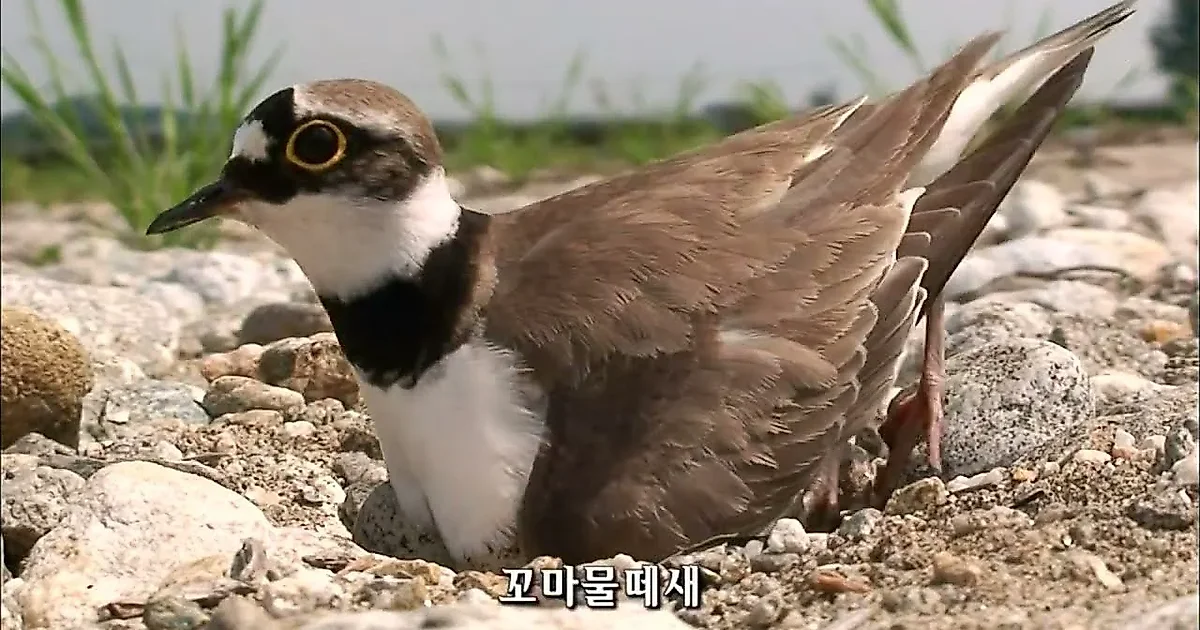
Wangsukcheon Stream, a tributary of the Han River flowing through Namyangju, Gyeonggi Province, is functioning as a habitat for various wild animals, demonstrating the coexistence of the city and nature. Although the water quality of Wangsukcheon Stream once deteriorated due to past development, it has been reborn as a life hub that currently maintains Grade 2 water quality through the sewage pipe maintenance project that began in 2003.
Survival Competition Occurring in the Apartment Complexes and Nests of Egrets
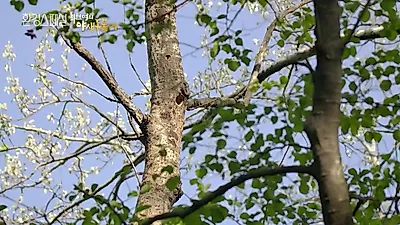
The low mountains along the banks of Wangsukcheon Stream are places where approximately 300 egrets visit and build nests every year. Egrets use tree branches to build nests, and larger species such as Great Egrets and grey herons mainly occupy the upper layers to form nests. In the video, intense survival competition is captured within the egret nests. In particular, the phenomenon of 'brood parasitism' occurs, where a night heron secretly lays eggs in an egret's nest. If an egret mother incubates the night heron's egg and it hatches, a fierce food war breaks out between the egret chick and the night heron chick inside the nest. Chicks pushed out of this competition undergo a process of being expelled from the nest and facing natural selection.
Kingfisher Hunting Methods and the Camouflage Strategy of the Black-crowned Night Heron
The abundant food resources of Wangsukcheon Stream support the activities of various predators. A kingfisher uses a method of hovering above the water surface and then diving into the water like a plunge when it discovers a fish. A characteristic of the caught fish is that they eat it from the head first so that the bones do not get stuck in the throat. Meanwhile, the Black-crowned Night Heron, which lives in the reed beds, employs a unique survival method to protect its chicks from its natural enemy, the rat snake. The Black-crowned Night Heron builds a dish-shaped nest in the cattail forest at a height of 1 meter above the ground, and when a rat snake approaches, it protects its chicks by performing camouflage techniques, skillfully moving back and forth through the cattails.
Nighttime Predators and the Ecological Cycle of the River
As darkness falls over Wangsukcheon Stream, water deer, raccoons, and the endangered leopard cat are active. The leopard cat appears as a top predator of the Korean Peninsula, active at night and hunting field mice and other animals. Additionally, the aquatic ecosystem of Wangsukcheon Stream is activated through the spawning of carp. When the water temperature reaches 18 degrees Celsius, female carp move up to the aquatic plant zones to lay eggs, laying about 300,000 eggs at a time. Only about 20% of these hatch normally. The lives born this way again become food for birds such as kingfishers or little terns, continuing the ecological cycle of the river.
Related Articles
As Saemangeum Seawall Blocks Waterways, Hard Clam Farms Die Off 100% and Tidal Flats Rot

Can dragonfly models repel eye gnats? The results of a direct experiment
Tropical marine fish such as Threadfin Butterflyfish and Bannerfish discovered in large numbers in Korean waters
Why Wild Birds Do Not Get Diabetes Despite High-Sugar Diets
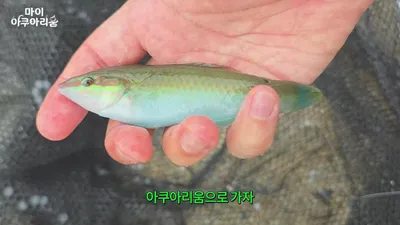
Tropical fish captured off the coast of Ulsan, flowing into the East Sea via warm currents

Five households remaining along the 51km path of the Donggang River, living in remote villages connected by rope boats

Difference Between Mangrove Horseshoe Crabs and Venomous Species: How to Distinguish Them by Shape

Snapping Turtle Captured in Seoul's Hongjecheon Stream, Large Specimen Difficult to Lift with One Hand

5,000 Golden Mandarin Fish Released in Hwacheon, Gangwon, Starting Restoration of Natural Monument

Reservoirs Dried Up by Drought: Why Bullfrog Fishing Failed

65 Species of Native Creatures Found in Hongcheon Stream Gathered in a Mobile Aquarium

800 Mountain Goats Survive in DMZ Rocky Areas... Wild Ecosystem Blocked by Barbed Wire

The reason the moon looks larger is due to perigee and optical illusions

The 'Lek' of Birds Gathering Similar Males: Is it a Strategy Targeting Females' Decision Paralysis?

The Changes in Paldang Lake Fisherman Seong-ju and Gumchi, and the Spawning Grounds Lost to Sediment Inflow
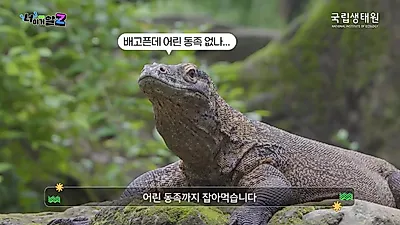
Komodo dragon's hunting secret is venom glands and serrated teeth, not bacteria in saliva
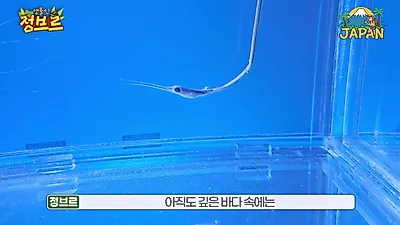
Deep-sea creatures at Nagoya Aquarium: The characteristics of the 16cm Scaly-foot Snail where females parasitize males
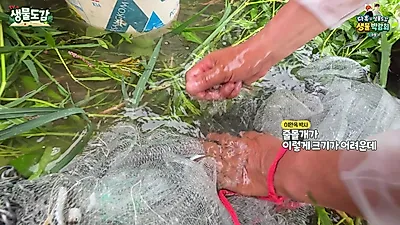
Fish Survey in Wangsukcheon Stream Confirms Species Ranging from Mandarin Fish and Draco to Endangered Sira

The Monk of Mungyeong Bongamsa Temple's Cave: A Life Coexisting with Squirrels and Butterflies in a 40-Year-Old Rock Crevice
Comments 0