
Tesla Cybercab aims for $20,000 price range with plastic body and steering-wheel-free interior
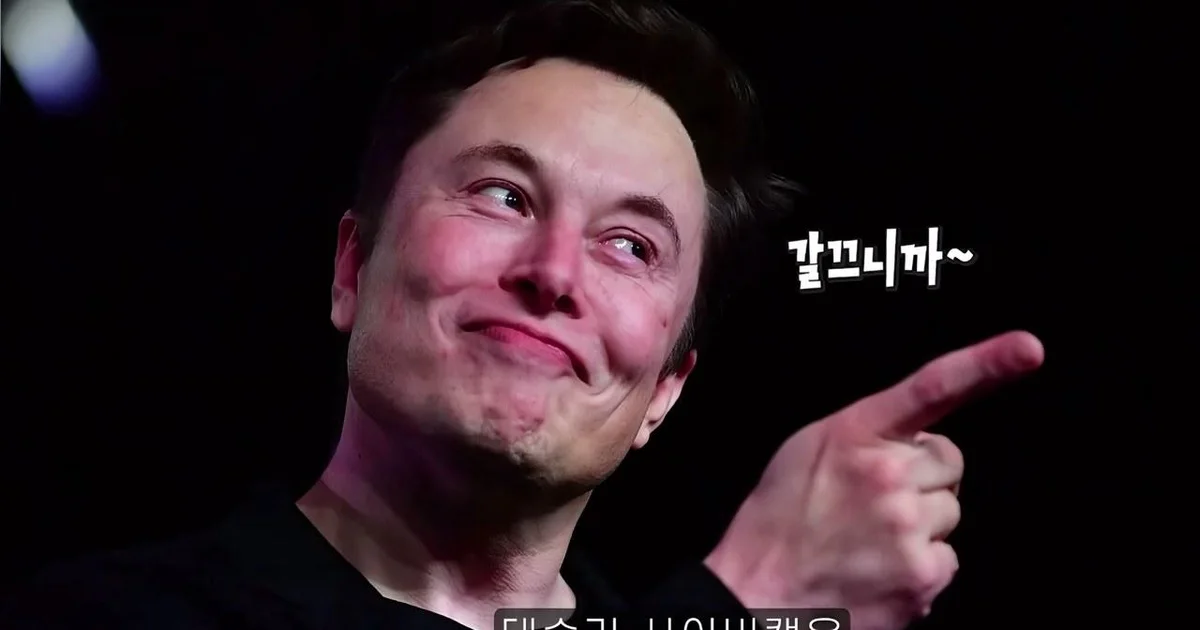
The actual Tesla Cybercab has been unveiled at a Tesla store in Beijing. Through this exhibition, Tesla's autonomous driving technology and its determination to implement robotaxis in the Chinese market have been revealed. According to video information released, the Cybercab features a mass-production design and has adopted an innovative production method utilizing a plastic body.
Rapid production method and $20,000 price strategy implemented with a plastic body
One of the biggest features of the Tesla Cybercab is that the entire outer panel of the body is made of plastic. While existing steel bodies must undergo pressing and welding processes, plastic allows for free molding, enabling production similar to assembling a plastic model. In particular, by using a method of injecting plastic with paint mixed inside, a separate painting process is not required. By reducing the waiting time that occurs during the painting stage, the company aims for a fast production speed where one car can come off a single line every 5 seconds.
This production innovation leads to price competitiveness. The Cybercab has eliminated the steering wheel and pedals, and reduced costs for parts related to steering devices and pillars for airbag installation. Through this, it is aiming for a price in the $20,000 range based on the United States market. This is at a similar level to the current price range of gasoline cars in the United States. However, for vehicle operation, the structure requires that FSD (Full Self-Driving) software be included or subscribed to.
Interior structure without a steering wheel and pedals, designed for robotaxis
The interior of the exhibited Cybercab has a very simple structure. There is no steering wheel or pedals, and the center display is positioned larger than in typical Tesla models. The seats can only move forward and backward, and they feature a flat structure without side supports on both sides. The interior materials also focused on cost reduction and maintenance, such as using vinyl instead of leather.
One of the core purposes of the interior design is cleaning convenience for robotaxi operations. The internal structure was simplified so that a robot can easily clean the interior after passengers use it. Additionally, the vehicle is designed to be as light as 850kg based on the prototype. The doors adopt a way of opening upwards, which is intended to help passengers get in and out by opening the doors as wide as possible even in situations where there are obstacles nearby.
Autonomous driving based on FSD V14 and obstacle detection via UWB radar
The autonomous driving of the Cybercab is currently based on Tesla's FSD V14 software. According to the video description, more perfect driving is expected to be possible once the V15 version is released in the future. The Cybercab's autonomous driving technology shares a similar level of driving capability to the software applied to existing Tesla models such as Model 3 and Model Y.
Sensor technology responsible for the vehicle's safety functions was also identified. In addition to cameras, the Cybercab is equipped with camera wash hoses on the pillar sections to prepare for lens contamination. Furthermore, UWB (Ultra Wide Band) radar technology is utilized for the function of detecting surrounding obstacles when the door opens. Unlike existing radar, UWB radar, which has a higher frequency, enables precise distance measurement in centimeters or millimeters, and through this, the door opening is controlled so that passengers do not collide with objects or people nearby when getting out.
Related Articles
Tesla Model Y Fastest with 5.8-Second Acceleration... Comparison Results of 3 Electric Vehicles
Storage devices up 46.8%, outpacing computers and tablets... The difference indicated by DRAM and NAND outlooks

Kim Han-yong's MOCAR reveals Tesla Model 3 with gold color PPF decided by subscriber vote

BMW i7 Driving Experience: Cruise Control Performance Smoother Than Tesla Autopilot
Aston Martin DBX S features 727-horsepower V8 engine and carbon ceramic brakes
At the IAA Motor Show in Germany, FAW's Concept Truck Features a Living Room-like Interior and Autonomous Driving Technology
'Half Hyundai, Half Parts Supplier'... The Reason Why 42dot is Called 'Tier 0.5'

Costco Shopping Spree of 1 Million Won: Meat Preparation and Ingredient Utilization for the Holidays
Olight Marauder 3: New Product Features Real-Time Usage Time Display
Apple AirPods 5 Increases Cost-Effectiveness with Enhanced Bass and 1.5x Improved ANC

iPhone 18 Pro Case Comparison: Spigen Air Skin MagFit Offers Low Discoloration and Strong Magnetic Strength
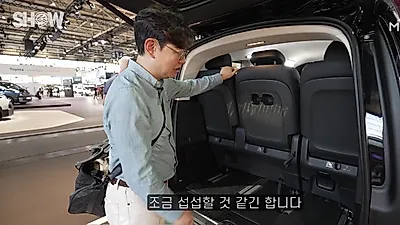
Mercedes-Benz electric MPV VLE features design maximizing space utilization with 8-seater seat rails

AirPods 5 Released: Lower Price Than Previous Model with Improved Noise Cancellation Performance

iPhone Duo starts at 3.29 million won; 4 decisive drawbacks identified by actual user
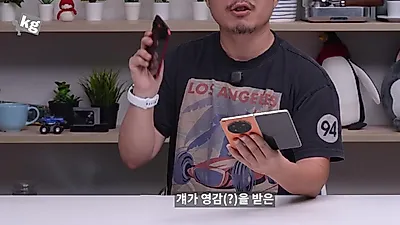
Xiaomi 18 Fold features proprietary Xring O3 chipset to enhance performance and software maturity
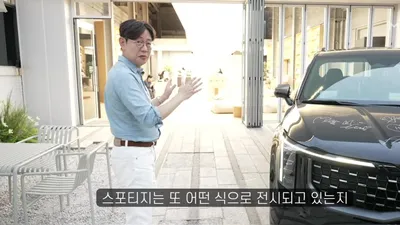
Sorento, Carnival, and Sportage Black Edition: Beyond Color Changes to Differentiated UI and Interior Materials

Colorless, Preservative-Free Gangjeong and Chestnut Tea... 5 Types of Local Agricultural Processed Foods Introduced by the Rural Development Administration
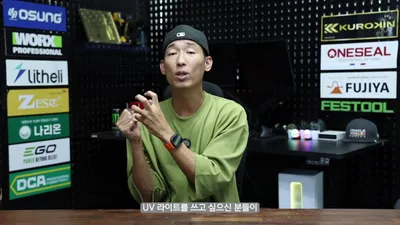
Olight Oclip Ultra 2 Enhances Night Running Convenience with 360-Degree Rotating Head

'Panic Full' Issue Occurs on iPhone 18 Pro During Face ID Recognition, Causing Restarts

Comments 0