
Storage devices up 46.8%, outpacing computers and tablets... The difference indicated by DRAM and NAND outlooks
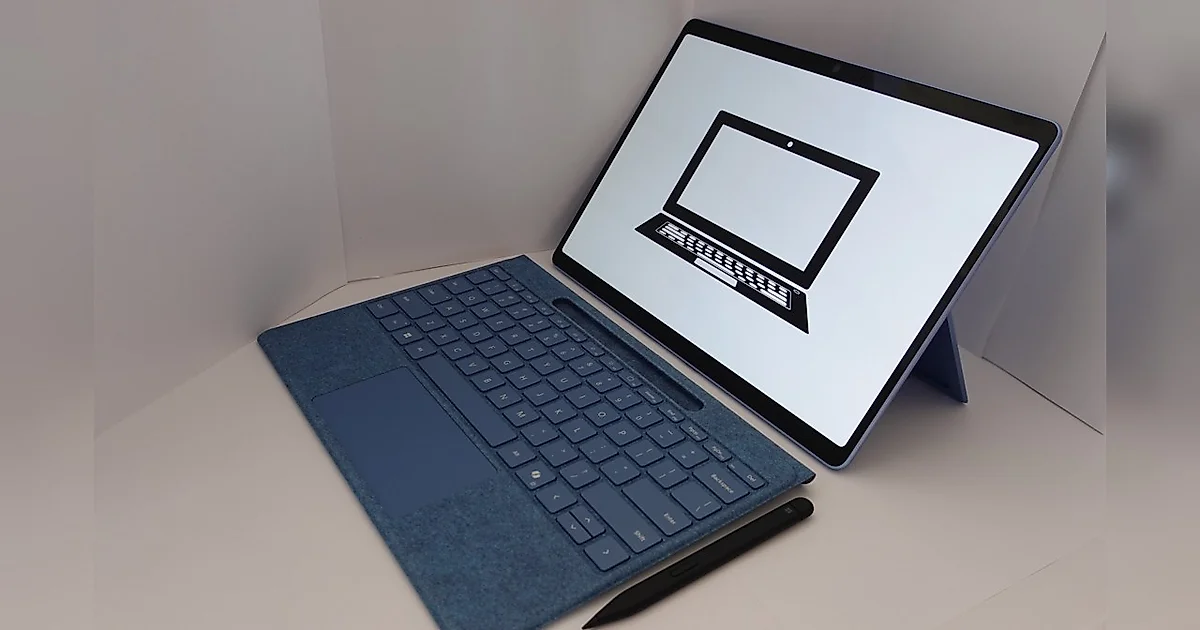
In the August 2026 Consumer Price Trends, computer prices rose 23.7% compared to the same month last year, and portable multimedia devices, including tablets, rose 22.5%. Storage devices rose 46.8%, recording the highest growth rate among the three items. While memory prices are projected to rise in the third quarter, this figure alone cannot be used to conclude the retail prices of individual products or the causes of price increases for specific items.
Storage devices rose 46.8%, outpacing computers and tablets
According to the National Data Agency's August 2026 Consumer Price Trends, computer prices rose 23.7% compared to the same month last year. Portable multimedia devices, including tablets, rose 22.5%, and storage devices rose 46.8%, recording the highest growth rate among the three items.
The growth rate of storage devices is 23.1 percentage points higher than computers and 24.3 percentage points higher than portable multimedia devices. However, since this figure represents the fluctuation rate of items within the Consumer Price Index, it does not directly mean the actual retail prices of specific laptops, tablets, or external SSDs, or the price differences between products with the same specifications. When considering a purchase, it is better to compare by separating desired capacity, performance, manufacturer, and discount/inventory conditions.
How to read the rise in producer prices for memory alongside consumer prices
In the Bank of Korea's July 2026 Producer Price Trends, DRAM prices rose 474.4% compared to the same month last year, and flash memory prices rose 248.1%. These represent the price trends at the memory semiconductor transaction stage, which differs in target and stage from the consumer price growth rates of computers, tablets, and storage devices.
Market analysis showed that in the second quarter of 2026, DRAM prices rose 52% compared to the previous quarter, and NAND flash prices rose 99%. Price changes in DRAM and NAND, the timing of component procurement by finished product manufacturers, and product configurations and distribution conditions are different variables. Therefore, it is difficult to explain the 46.8% rise in storage devices solely with NAND prices, or to calculate individual product prices based only on the memory growth rate.
Third quarter outlook: DRAM up 13–18%, NAND up 10–15%
According to the Export-Import Bank of Korea outlook, DRAM prices are expected to rise 13–18% compared to the previous quarter in the third quarter of 2026, and NAND flash prices are expected to rise 10–15%. While both types of memory are projected to rise, the NAND flash growth rate in the second quarter was higher than DRAM, whereas the third-quarter outlook range is higher for DRAM.
When comparing computers and tablets, the supply capacity of general-purpose DRAM is also a variable. It is analyzed that as leading memory companies focus on HBM production, the shortage of general-purpose DRAM for mobile and PC use is continuing. When deciding whether a replacement is necessary, rather than waiting only for memory market outlooks, one can first consider the current device's malfunction status, required task performance, lack of storage space, and actual sales conditions.
The background of AI inference demand being mentioned in the NAND and enterprise SSD markets
AI data center investment is analyzed as the background for the expansion of the memory market, having a different demand structure from smartphones and PCs. While demand for smartphones and PCs tends to decrease when memory prices rise, it is explained that AI data centers continue to invest to secure competitiveness, thereby accepting relatively high prices.
As the AI market expands from training to inference models, the role of NAND, which stores large-scale data, is also growing. The Export-Import Bank of Korea outlook analyzed that the enterprise SSD market grew more than twofold compared to the previous quarter due to data processing demand in the AI inference process. This is the background for enterprise SSD demand, and it does not mean that the retail prices of consumer external SSDs or internal SSDs move by the same margin.
Stabilization timing outlooks differ, but purchase decisions should be made per product
The outlook for the timing of price stabilization also differs by memory type. General-purpose DRAM is expected to rise until the fourth quarter of 2026, then maintain a steady state through the first half of 2027, before turning to a downward trend in the second half. NAND flash is projected to rise until the first quarter of 2027 and then show a steady state until the end of the year.
This outlook is data showing the direction of the memory market. For computers and tablets, one can first distinguish whether a replacement is needed due to task performance or malfunction, and for storage devices, whether additional capacity is needed immediately. Rather than delaying a purchase based solely on price drops, comparing the retail prices of the same specifications along with warranty, capacity, and configuration conditions can help reduce the gap between the inflation rate and actual purchase decisions.
Data Reference Sources

Related Articles

Kim Han-yong's MOCAR reveals Tesla Model 3 with gold color PPF decided by subscriber vote

BMW i7 Driving Experience: Cruise Control Performance Smoother Than Tesla Autopilot

Aston Martin DBX S features 727-horsepower V8 engine and carbon ceramic brakes

At the IAA Motor Show in Germany, FAW's Concept Truck Features a Living Room-like Interior and Autonomous Driving Technology

'Half Hyundai, Half Parts Supplier'... The Reason Why 42dot is Called 'Tier 0.5'

Costco Shopping Spree of 1 Million Won: Meat Preparation and Ingredient Utilization for the Holidays

Olight Marauder 3: New Product Features Real-Time Usage Time Display

Apple AirPods 5 Increases Cost-Effectiveness with Enhanced Bass and 1.5x Improved ANC

iPhone 18 Pro Case Comparison: Spigen Air Skin MagFit Offers Low Discoloration and Strong Magnetic Strength

Mercedes-Benz electric MPV VLE features design maximizing space utilization with 8-seater seat rails

AirPods 5 Released: Lower Price Than Previous Model with Improved Noise Cancellation Performance

iPhone Duo starts at 3.29 million won; 4 decisive drawbacks identified by actual user

Xiaomi 18 Fold features proprietary Xring O3 chipset to enhance performance and software maturity

Sorento, Carnival, and Sportage Black Edition: Beyond Color Changes to Differentiated UI and Interior Materials

Colorless, Preservative-Free Gangjeong and Chestnut Tea... 5 Types of Local Agricultural Processed Foods Introduced by the Rural Development Administration

Olight Oclip Ultra 2 Enhances Night Running Convenience with 360-Degree Rotating Head

'Panic Full' Issue Occurs on iPhone 18 Pro During Face ID Recognition, Causing Restarts

Tesla Model Y Purchase Dilemma: The Decisive Reason for Choosing It Over Hyundai Motor Company

Burger King Maison Truffle Cheese Burger: Brioche Bun and Mushroom Aroma at a Higher Price Than the Whopper

Comments 0