
Beef Yukjeon: How to Enhance Texture Using a Pinch of Sugar and Glutinous Rice Flour
This article provides three key tips for making beef yukjeon, such as using sugar for tenderizing and glutinous rice flour for better egg coating adhesion…
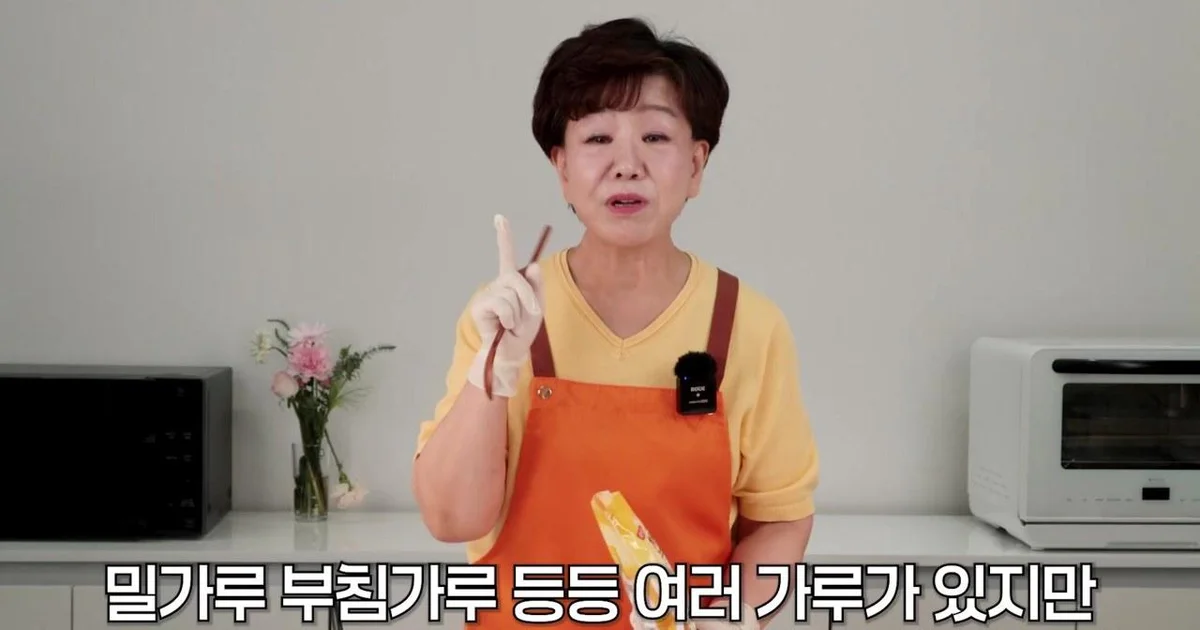
Beef yukjeon, often cited as the menu item that disappears first among holiday foods, frequently suffers from the meat becoming stiff or the egg coating separating once it cools down. According to a video from 'Exciting Chef Kim Sun-young', there are three key secrets to using beef top round or rump cuts to achieve a melt-in-your-mouth texture and make the egg coating stick like sticky rice.
Sugar Tenderizing and Using Glutinous Rice Flour
The first step in determining the texture of the meat is the tenderizing process using sugar. If you sprinkle sugar over beef sliced to a thickness of 2–3mm and let it sit for about 10 minutes, the sugar permeates the meat, making the texture soft. The video explains that through this process, the meat can achieve a melt-in-your-mouth texture. However, after 10 minutes, the blood and moisture that seeped out of the meat must be wiped away with a paper towel to maintain a clean taste without any gamey smell.
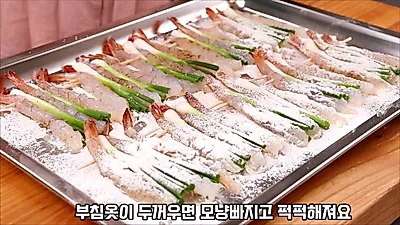
To make the egg coating stick well to the meat, it is better to use glutinous rice flour instead of wheat flour or pancake mix. Coating the meat thinly with glutinous rice flour makes the texture chewy and increases the adhesion with the egg coating. At this time, if too much glutinous rice flour is applied, the texture may instead become dry and stiff, so any remaining powder after coating the meat should be lightly shaken off.
Golden Egg Wash and Medium-Low Heat Cooking Method
To increase visual perfection, the composition of the egg wash is important. Adding one egg yolk to one regular egg makes the color much more golden and appetizing. Additionally, to eliminate the characteristic fishy smell of eggs, the secret is to add a drop of sesame oil to the egg wash and mix it. Add about 2–3 pinches of salt to the egg wash to season it.
When cooking, controlling the heat determines the shape and juiciness of the beef yukjeon. If the heat is too strong, the meat may quickly curl or shrink, so you should maintain a medium-low heat, which is weaker than medium heat, and lightly pan-fry both sides. Cooking this way ensures the meat does not shrink and the egg coating is completed without separating. The finished beef yukjeon can be enjoyed with a sweet and sour taste when served with a soy sauce dipping sauce made by mixing 1T soy sauce, 0.5T vinegar, 0.5t sugar, and 1T water.
Comments 0