
Low-calorie Cabbage and Tuna Rice Bowl Recipe Using 8 Cabbage Leaves and 2 Cans of Tuna
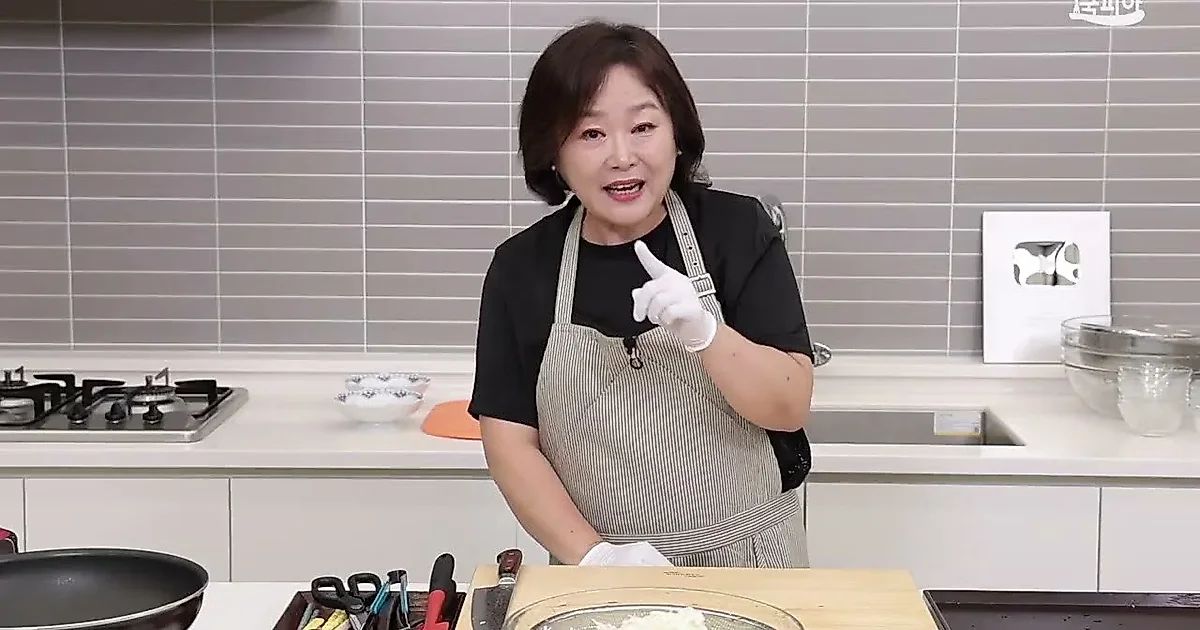
From middle-aged people concerned about dieting to single-person households wanting a simple meal, a low-calorie 'Yang-cham-deop' (cabbage and tuna rice bowl) recipe that can be enjoyed deliciously has been revealed. According to a Cookpia video, culinary researcher Lee Bo-eun introduced a method to stir-fry cabbage and tuna to bring out their flavors without using cooking oil.
Preparing Tuna and Cabbage to Bring Out Flavor Without Cooking Oil
The core ingredients for Yang-cham-deop are 2 cans of tuna (based on 135g each) and 8 cabbage leaves. First, naturally drain only the oil on the surface of the tuna cans. The video explains that there is no need to forcibly press and squeeze out the oil inside. Since no cooking oil is used during cooking, maintaining a certain amount of the oil contained in the tuna helps create flavor. The point is to appropriately utilize the oil in the tuna, which includes canola oil and others.
Prepare about 8 cabbage leaves, remove the thick stem parts, and shred them. When shredding, it is good to slice them not too thickly, considering that they will wilt later when stir-fried. This is because overly thick shreds may leave leftover pieces. In particular, when washing the cabbage, if you add a little salt to the shredded cabbage and wash it together before rinsing in water, it has the effect of wilting the vegetables faster. After washing, you must completely remove moisture using a spinner or a strainer so that the texture remains crunchy and does not become soggy when stir-fried. If you do not have a spinner, you can place a strainer over a bowl and drain the water by flipping it occasionally until the moisture is removed.
The Key to Salting is Spreading it Out
After placing the prepared cabbage in a frying pan, pour 1 tablespoon of sesame oil over the cabbage instead of cooking oil. Add 2 tablespoons of minced green onion and 1 tablespoon of minced garlic, then make a hollow in the center of the pan and add the drained tuna. Season with salt, but it is important not to sprinkle a large amount all at once.
If you sprinkle a lot of salt at once, it can clump in certain areas and make the saltiness too strong. Therefore, use a measuring spoon to sprinkle the salt little by little, and use chopsticks to flip the ingredients up and down to ensure it permeates evenly for consistent seasoning. When the cabbage begins to wilt slightly, add 1 minced Cheongyang chili pepper and stir-fry together. Lee Bo-eun added in the video that if you prefer spiciness, you can add more Cheongyang chili peppers, but if you dislike spicy food, you may omit it. This dish is characterized by being stir-fried in a state that is slightly dry yet moist, rather than being swimming in liquid.
Finishing with Perilla Seed Powder to Capture Moisture and Completion
The final step of the stir-frying process is adding 1 tablespoon of perilla seed powder. If you stir-fry quickly once more after adding the perilla seed powder, the moisture of the ingredients is appropriately controlled. Immediately after cooking is finished, do not leave it in the pan; you must transfer it to a wide bowl to prevent moisture from forming due to the remaining heat. If left in the pan, moisture may continue to come out due to the heat.
The completed Yang-cham-deop is served generously to match 3 servings of warm rice. It is finished by beautifully plating the rice on one side and topping it heavily with the tuna and cabbage stir-fry. In the video, it was also suggested that if you are in an environment where you can only use a microwave, such as a dormitory student, you can top the pre-stir-fried ingredients onto rice and heat them up. If you want a richer taste and nutrition, it is even better to stir-fry burdock together or serve it with shredded carrots or zucchini.
Related Articles
Super Simple Gochujang Recipe Using 2kg of Tomatoes Without Sugar or Malt
Super Simple Appetizing Seasoned Scallions Made with 100g of Scallions and Gochujang Seasoning
Hyundai Green Food to Publish Guidebook on Eating Habits and Recipes for Delaying Aging on October 1

Spicy Marinated Blue Crab Recipe Using 3 Blue Crabs: How to Make the Seasoning Penetrate Deep into the Flesh with a Primary Soy Sauce Marinade

'Survival Cooking' Egg Fried Rice Recipe Completed with 3 Eggs and Butter for a College Student Son
Black Soybean Salad: How to Remove Fishy Odors with Ginger Steam and Steam Softly
Secret Dongchimi Broth Recipe Using 'Pear Juice and Plum Syrup' to Fill the Lack of Sweetness in Summer Radish
How to make pork meatballs with a rich perilla leaf aroma using 600g of pork hind leg meat
Jung Ho-young’s LA Galbi Recipe: Removing Tough Fascia and Cooking over Medium-Low Heat are the Keys to Flavor

Cooking 12 Servings Using Pocheon Tomatoes: What are the Chefs' Secret Recipes?
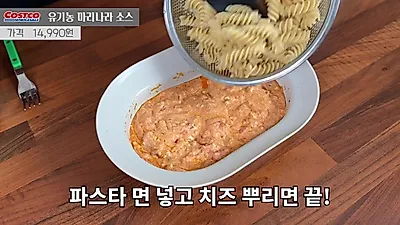
Using Costco Horned Turbot and Tilapia: Various Recipes Made with Seasonal Ingredients
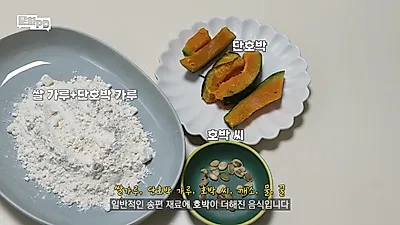
Pumpkin Songpyeon using Dangjin's specialty sweet pumpkin, a recipe that brings out a chewy texture
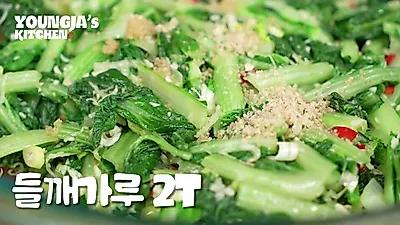
Spinach prices surge 51.9%, perilla oil wilted lettuce recommended as Chuseok namul

Why a handful of dried wood ear mushrooms more than doubles in size when soaked

Fruit Salad Made Without Mayonnaise: Enhancing Flavor with Yogurt and Egg Yolks
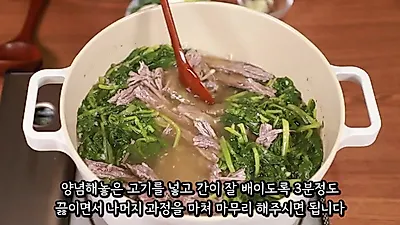
Boil Hanwoo brisket whole and shred it... How to cook beef radish greens soup for Chuseok
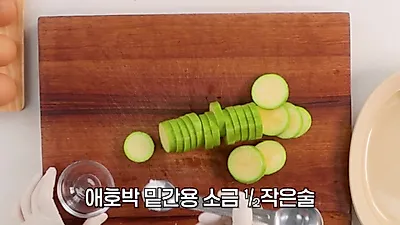
How to prevent zucchini pancake batter from peeling off: Sprinkle salt and microwave first
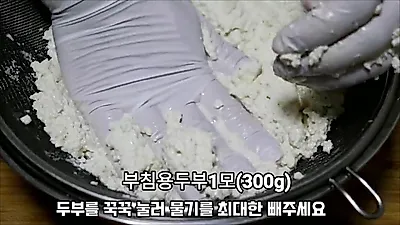
Tofu pancakes like mung bean pancakes: How to make them with pork, bean sprouts, and bracken

Beef Radish Soup Using Beef Chuck: 3 Secrets to Removing Radish Bitterness and Enhancing Broth Flavor
Comments 0