
Super Simple Gochujang Recipe Using 2kg of Tomatoes Without Sugar or Malt
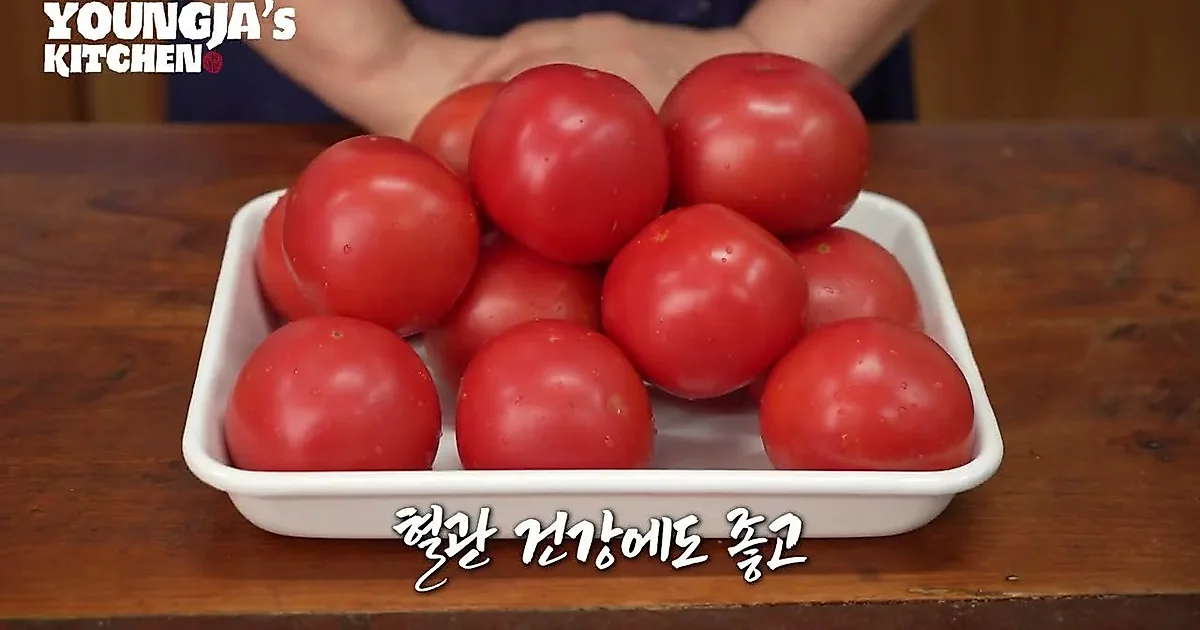
Traditional gochujang making methods involve a tedious process of steeping malt, which can be cumbersome. However, by utilizing tomatoes, one can easily make gochujang rich in umami without using sugar or malt. According to a video from 'Young-Ja's Kitchen', the lycopene in tomatoes not only helps with vascular health and antioxidants, but its unique natural umami also makes the flavor of the gochujang smooth and fresh.
Cooking sequence and precautions using 2kg of tomatoes
When making tomato gochujang, it is recommended to use fleshy glutinous tomatoes. In the video, the process begins by removing the stems, finely cutting 2kg of tomatoes, and boiling them in a pot or pressure cooker. Using a pressure cooker allows the tomatoes to be broken down more quickly. After boiling on high heat for about 15 minutes until the tomatoes are completely crushed, use a blender or an immersion blender to grind the particles.
The ground tomatoes must be turned back on the heat and reduced to evaporate the moisture. At this stage, using a shallow pot may cause the bottom to stick, so it is important to stir continuously to prevent burning. Reduce the mixture on high heat for about 10 minutes until the bubbles decrease to adjust the consistency. Once the tomatoes are properly reduced, they need to be transferred to a large bowl to cool down slightly.
Consistency adjustment method using salt, grain syrup, and meju powder
The order in which ingredients are mixed determines the taste and consistency. While the tomatoes are still hot, 300g of salt should be added first to dissolve it completely. After the salt has dissolved, adding 1kg of grain syrup ensures it dissolves well without clumping. Once the temperature has dropped to some extent, add 300g of meju powder and stir to prevent lumps from forming. Finally, add 500g of fine-grained chili powder for gochujang and mix to complete the dish.
If the consistency of the finished gochujang is too thick, it can be adjusted by adding a little soju or refined rice wine; conversely, if it is too thin, more chili powder can be added. If made according to the recipe in the video, it may look slightly thin immediately after completion, but if left for 2 to 3 hours, the chili powder will swell and reach the appropriate consistency. The tomato gochujang made this way can be stored directly in the refrigerator without a separate aging process and can be used for seasoned vegetables, bibimbap, or stir-fried pork.
Related Articles
Super Simple Appetizing Seasoned Scallions Made with 100g of Scallions and Gochujang Seasoning

Hyundai Green Food to Publish Guidebook on Eating Habits and Recipes for Delaying Aging on October 1

Spicy Marinated Blue Crab Recipe Using 3 Blue Crabs: How to Make the Seasoning Penetrate Deep into the Flesh with a Primary Soy Sauce Marinade

'Survival Cooking' Egg Fried Rice Recipe Completed with 3 Eggs and Butter for a College Student Son
Black Soybean Salad: How to Remove Fishy Odors with Ginger Steam and Steam Softly
Secret Dongchimi Broth Recipe Using 'Pear Juice and Plum Syrup' to Fill the Lack of Sweetness in Summer Radish
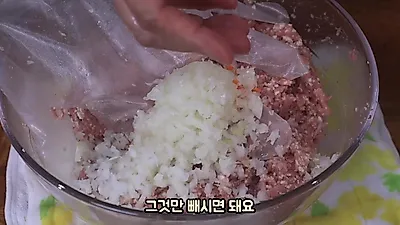
How to make pork meatballs with a rich perilla leaf aroma using 600g of pork hind leg meat
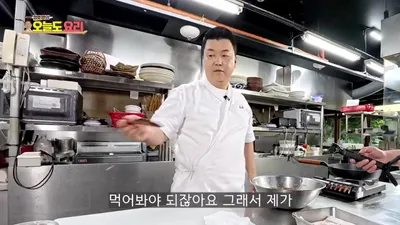
Jung Ho-young’s LA Galbi Recipe: Removing Tough Fascia and Cooking over Medium-Low Heat are the Keys to Flavor
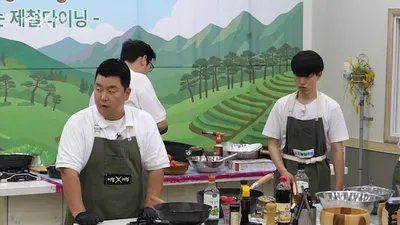
Cooking 12 Servings Using Pocheon Tomatoes: What are the Chefs' Secret Recipes?
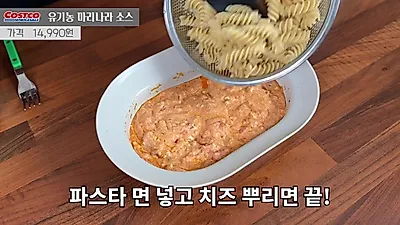
Using Costco Horned Turbot and Tilapia: Various Recipes Made with Seasonal Ingredients
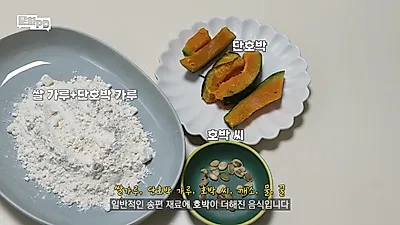
Pumpkin Songpyeon using Dangjin's specialty sweet pumpkin, a recipe that brings out a chewy texture
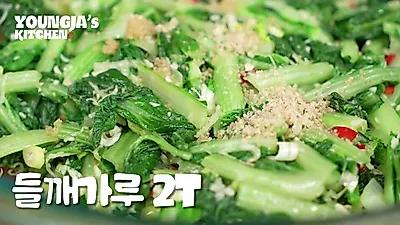
Spinach prices surge 51.9%, perilla oil wilted lettuce recommended as Chuseok namul
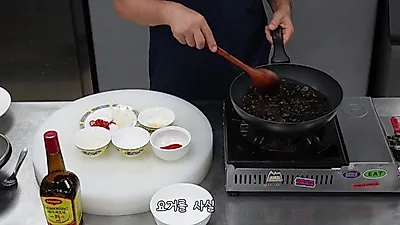
Why a handful of dried wood ear mushrooms more than doubles in size when soaked
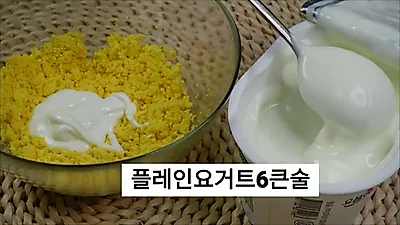
Fruit Salad Made Without Mayonnaise: Enhancing Flavor with Yogurt and Egg Yolks
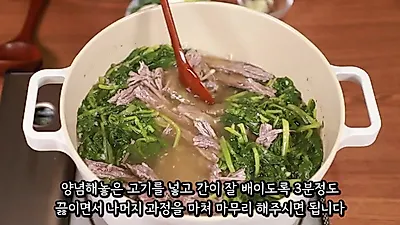
Boil Hanwoo brisket whole and shred it... How to cook beef radish greens soup for Chuseok
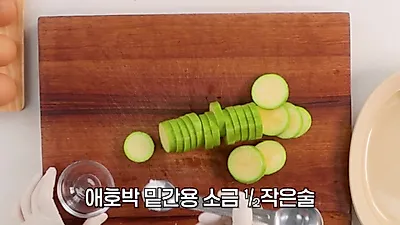
How to prevent zucchini pancake batter from peeling off: Sprinkle salt and microwave first
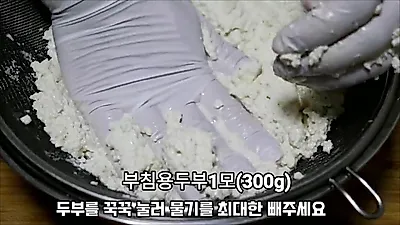
Tofu pancakes like mung bean pancakes: How to make them with pork, bean sprouts, and bracken

Beef Radish Soup Using Beef Chuck: 3 Secrets to Removing Radish Bitterness and Enhancing Broth Flavor
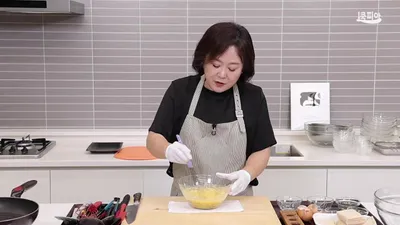
Simple Fish Cake Pancakes Using Fish Cake with 80% Fish Content; Removing Egg Chalaza is the Key
Comments 0