
Andong Hahoe Folk Village, the Trajectory of Life Maintained by the 600-Year-Old Pungsan Ryu clan Clan Community
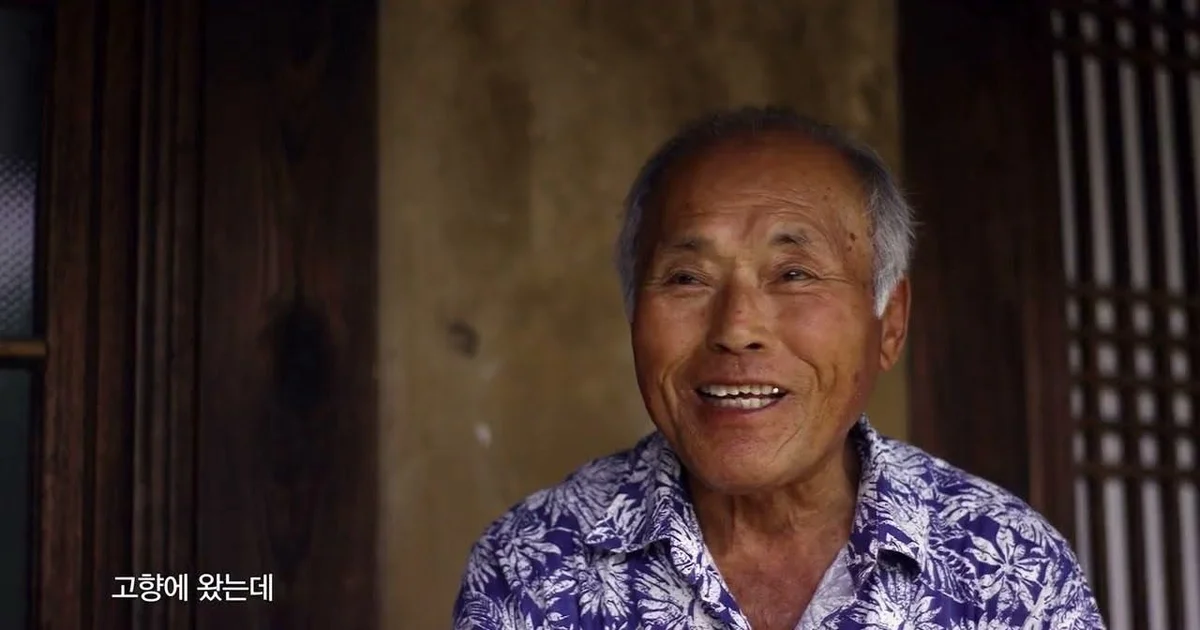
Hahoe Folk Village in Andong, Gyeongsangbuk-do, has served as a living history museum, maintaining the traditions and etiquette of the clan group since the founding ancestor of the Pungsan Ryu clan settled there 600 years ago. Registered as a UNESCO World Heritage site in August 2010, this place possesses a typical topography of mountains in the back and water in the front, boasting a unique landscape where the waters of the Nakdonggang River, which winds around the village, harmonize with nature. In the 'Seonbi's Waterway, Hahoe Folk Village' episode of KBS 'KBS Environment Special', the history of the village embracing 600 years of time and the stories of the life forms that have coexisted within it were highlighted.
Zelkova Tree Embracing 600 Years and the Traditions of the Clan Village
The history of Hahoe Folk Village goes hand in hand with the 600-year-old zelkova tree located at the center of the village. This guardian tree, said to have been planted when the Pungsan Ryu clan first settled in the village, has served as a spiritual pillar uniting the villagers. There is a Guksadang in the village, which is said to play the role of connecting the macrocosm, the heavens, with the microcosm, the village, and Samsindang, located in the middle of the village, preserves the full history of the village along with this zelkova tree. Villagers have prayed for the well-being of the community here by starting the Hahoe Byeolsingut.
The main houses in the village show the clan traditions of the Pungsan Ryu clan. The house where Seoae Ryu Seong-ryong, who served as the Chief State Councillor during the Imjin War, spent his childhood is known as the place where he later wrote famous books such as 'Jeungbirok'. Additionally, Yangjindang, where the founding ancestor first settled 600 years ago, is a representative example showing the traditions of the clan society that have continued for hundreds of years. The appearance of the village, where tile-roofed houses and thatched houses are harmoniously arranged, reveals traces of a community where yangban and commoners lived together. The 'Seonyu Fireworks Festival', where people composed poetry on the river and responded with massive fireworks when the full moon rose on the 15th day of the 7th lunar month, is the essence of the elegant culture of the yangban here.
The Landscape of a 'Lotus Floating on Water' Created by the Nakdonggang River Waterway
The name 'Hahoe' contains the meaning that the Nakdonggang River winds around the village in the shape of a Taegeuk. Because the village looks like a lotus flower blooming on the water when viewed from a high place, the Nakdonggang River in front of the village is also called 'Hwacheon'. Buyongdae is a place where one can take in the village landscape at a glance, and the view of the village seen from here resembles a lotus flower. Due to its topographical characteristics, the village lived by drawing water from the river instead of digging wells.
The Mansongjeong pine forest planted along the river has played a role in blocking the north wind blowing into the village and the flooding of the river. In the head houses of Andong, unique food cultures such as 'Andong Geonjin Guksu', which consists of noodles made by mixing flour and bean powder into pork bone broth, have also been passed down for a long time.
An Ecological Habitat Where Swallows and Water Dragonflies Coexist
Hahoe Folk Village is also a precious habitat for various living creatures. Every spring, swallows visit to build nests under the eaves of thatched houses and live there for generations. Swallows build nests by mixing straw obtained from rice paddies with mud, a delicate process where the amount they carry at one time is only about 0.3 grams. Sparrows that build nests and form families inside the thatched houses also breathe along with the history of the village.
The river water is a link through which numerous lives are born and grow. Water dragonflies that lay eggs on the stems of cogon grass, loaches that seek the sandy riverbed to lay eggs on pebbles, and freshwater mussels that allow females to lay eggs and males to achieve fertilization inside the mussel body the moment the mussel's siphon opens, all live using this place as their habitat. In this way, Hahoe Folk Village is a living heritage formed through the continuous interaction between human culture and the natural ecosystem over a long period of 600 years.
Related Articles

Pinmeri Launches Mokpo-Jeju Route, a Cruise-style Car Ferry Capable of Carrying 270 Passenger Cars
Jirisan Hwaeomsa–Daewonsa Traverse 46km Section: A 2-Day, 1-Night Hiking Record from Hwaeomsa Temple to Daewonsa Temple

Sindo Peace Bridge Opens, Reaching Sindo from Yeongjongdo in Just 10 Minutes by Bicycle
Reopening of Suraksan Train Rock, a Dazzling Course Climbing via Rock Ropes
6 Red Spider Lily Hotspots Across the Country to Enjoy the Autumn Atmosphere in September
390-ton Marine Research Vessel 'Research 1' Reveals Interior of Research Base on Restricted Waters
Naju Lake Skywalk Opens, Featuring an Aerial Deck Path Over the Water Built with 11 billion won

617m Longest Domestic Suspension Bridge, a Circular Course Completed with the Opening of Danyang's Siru Island Bridge of Miracles
Cheongsong Juwangsan 6.8km Trekking, a Course Walking Through a 70 Million-Year-Old Columnar Joint Gorge
Pocheon Unaksan Cloud Path Opens, Featuring Cliffside Walkways and Suspension Bridge at 800m Altitude
Seoul's Underground Space Opens After 40 Years, Featuring BIGBANG's 20th Anniversary Exhibition at 'K Culture Station'
A Million Songhee in the Mountains, sharing 'Mountain High' and life stories while hiking Bomunsan in Daejeon

Meeting between a craftsman with 40 years of experience at Nagwon Musical Instrument Arcade and NCT WayV's XIAOJUN and Yang Yang

From KTX Andong Station to Hahoe Folk Village: A Travel Course Connecting Autumn Festivals and World Heritage

Anseong Midam-ro Mural Street: From Rice Market Street Legends to the History of the Cattle Market

100% Train Fare Discount Vouchers for Visiting Depopulated Areas… Summary of '2026 Autumn Travel Campaign' Benefits

The 14.5km Gyejoksan Red Clay Trail Walked Barefoot: Why It Is Best to Visit 3 Days After Rain

From Daegu Yangnyeongsi Oriental Medicine Experiences to 5-Minute Cosmetic Shopping and Electric Roasted Chicken

Traveling to Okcheon, Chungcheongbuk-do: Eating Olgaengi-guk, Riding an Electric Cruise Ship, and Visiting the Jeong Ji-yong Birthplace

Comments 0