
Ginger leaves contain 2–3 times more flavonoids than roots; 5 crops to harvest from the garden in October
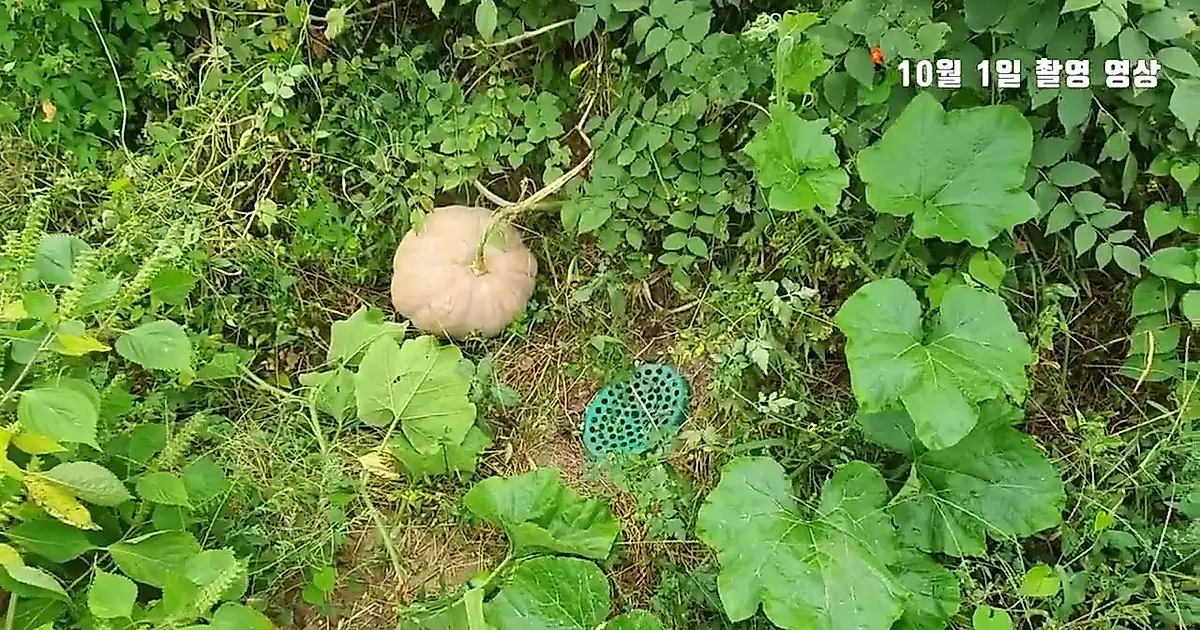
October is the season when the first frost falls, a time when garden crops stop growing or their leaves turn yellow due to the frost, leading many to give up on harvesting. According to a Teotbat Yeonguso video, many people only harvest the root crops from the ground and leave the remaining leaves and stems abandoned, but the leaves of crops remaining during this period contain much more concentrated nutrients than the main crop itself. We introduce ways to secure nutrition by harvesting five types of crop leaves that are easily discarded before the frost sets in.
Highly concentrated nutrients in ginger leaves and sweet potato shoots
Ginger is a representative high-temperature crop, and harvesting is usually completed just before or immediately after the first frost occurs nationwide. Since the leaves turn yellow and become unharvestable after being hit by frost once or twice, work must be completed before the first frost if one wishes to harvest both the ginger root and the leaves simultaneously. Gingerol and shogaol, the core components of ginger, are abundant not only in the roots but also in the leaves and stems. In particular, flavonoids, a representative antioxidant component, are concentrated about 2 to 3 times more in the green leaves that directly receive sunlight than in the roots. The video explains that by utilizing this, one can wash the leaves clean, dry them, and boil them thoroughly with jujubes to make a restorative tea that aids blood circulation during the winter.
While sweet potatoes are also often harvested only for the roots in the ground, it is very beneficial to pick the stems, leaves, and the tips (shoots) of the sweet potato to eat as seasoned vegetables. However, when harvesting sweet potato shoots, they should be picked just before the sweet potatoes are dug up. This is because if the tips are harvested too early, it acts as "pinching," which can prevent the stems from growing further and cause problems with photosynthesis. Sweet potato shoots contain lutein, which protects eye health, in concentrations as rich as those found in spinach. Additionally, the beta-carotene content is more than 30 times higher than in the sweet potato root, helping to eliminate active oxygen, prevent the accumulation of waste in blood vessels, and maintain immunity.
Calcium and iron content in chili pepper leaves and pumpkin leaves
In October, when the chili pepper harvest is winding down, many people tend to pull out or leave abandoned the plants that have suffered from pests and diseases. However, since chili peppers are tropical crops, both the leaves and small peppers die when hit by frost, making October the last opportunity to harvest chili pepper leaves. The leaves of chili peppers contain about 10 to 15 times more calcium and magnesium than the main fruit, making them advantageous for maintaining bone health. Furthermore, the AGI component, which prevents carbohydrate absorption, is also overwhelmingly more abundant in the leaves than in the fruit, which can help suppress post-meal blood sugar spikes.
Pumpkin leaves are also a crop that can be steadily harvested until the frost falls. As autumn deepens, more leaves and stems are produced, but since the leaves turn from green to yellow and die when hit by frost, harvesting before the frost is important. The calcium content of pumpkin leaves is about 10 times higher than that of the pumpkin fruit, and the iron content is also about 7 times more abundant than the fruit. Since iron helps clear the blood, it serves as a useful natural iron source for those suffering from dizziness or anemia, or those experiencing a lack of memory.
Luteolin and Vitamin A in autumn perilla leaves
October is the season for harvesting perilla seeds for grain, but if one has sown "leaf-perilla specific" seeds intended for leaf collection, perilla leaves can be continuously harvested until the frost falls. Unlike summer perilla leaves, autumn perilla leaves contain abundant luteolin, which can help reduce inflammation in the body. They are also rich in Vitamin A, making them useful for preventing presbyopia or cataracts. When cultivating leaf-perilla, it is recommended to steadily harvest the leaves to secure nutrition before they turn yellow and become impossible to harvest.
Related Articles

Blind test of 7 types of instant grilled mackerel: The top product is a domestic refrigerated product

Autumn 'Ibaegi' Yellowtail Offers Great Value at 10,000 Won per Person; Why Fresh Consumption is Better Than Aging

Anmyeondo Baeksajang Port Jumbo Shrimp Festival: How to Enjoy It 5,000 Won Cheaper Than Namdang Port
Wild Yellowtail around 200,000 won for 2kg at Noryangjin Fisheries Wholesale Market... What are the prices for Gizzard Shad before the holiday?
4 Key Management Methods for Making Cabbage Full and Firm 30 Days After Planting

From Harvesting 11cm Mini Cucumbers to Festival Promotion: The 3-Week Challenge of Smart Farm Interns

Disinfecting Chives Seeds and Calcium Supplementation: Cultivation Methods to Prevent Leaf Tip Deficiency
To Increase Red Ginseng Garlic Yield, Plant Between Late September and Early October
30 Days into Growing Kimjang Radish: Final Thinning and Hilling Determine Yield
Pork Belly 1,908–2,680 won per 100g, Front Leg Meat 1,090–1,500 won... What is the difference for 500g?

Precautions when consuming freshwater fish sashimi: Even scaleless Mandarin fish can pose parasite risks
Not all Chinese products are subject to recall... 4 things to check on wood ear and white wood ear mushroom packaging
Warning for Wood Ear Mushrooms in Malatang: Products with Pesticide Residues 17 Times Over the Limit and How to Return Them

Raw materials of tapioca pearls and how to boil them
Seaweed? Grapes? How to Eat Sea Grapes, a Popular YouTube Mukbang Menu, and What They Taste Like!

Confused by the Many Types of Cheese? What Cheeses Have We Been Eating?
The Coffee Crisis: Coffee Will Taste Worse and Cost More Because of Climate Change. What Types of Coffee Beans Do We Drink, and How Do They Differ?

Recommended Recipe: Truffle Oil and French Fries from 'Baek Jong-won's Alley Restaurant'—What Are Truffle Oil and Truffle Oil Spray?
What does kaya taste like? Ingredients, the difference between green and brown varieties, and how to eat it as toast
Comments 0