
To Increase Red Ginseng Garlic Yield, Plant Between Late September and Early October
The timing of planting is a critical factor in determining the size and yield of Red Ginseng Garlic.
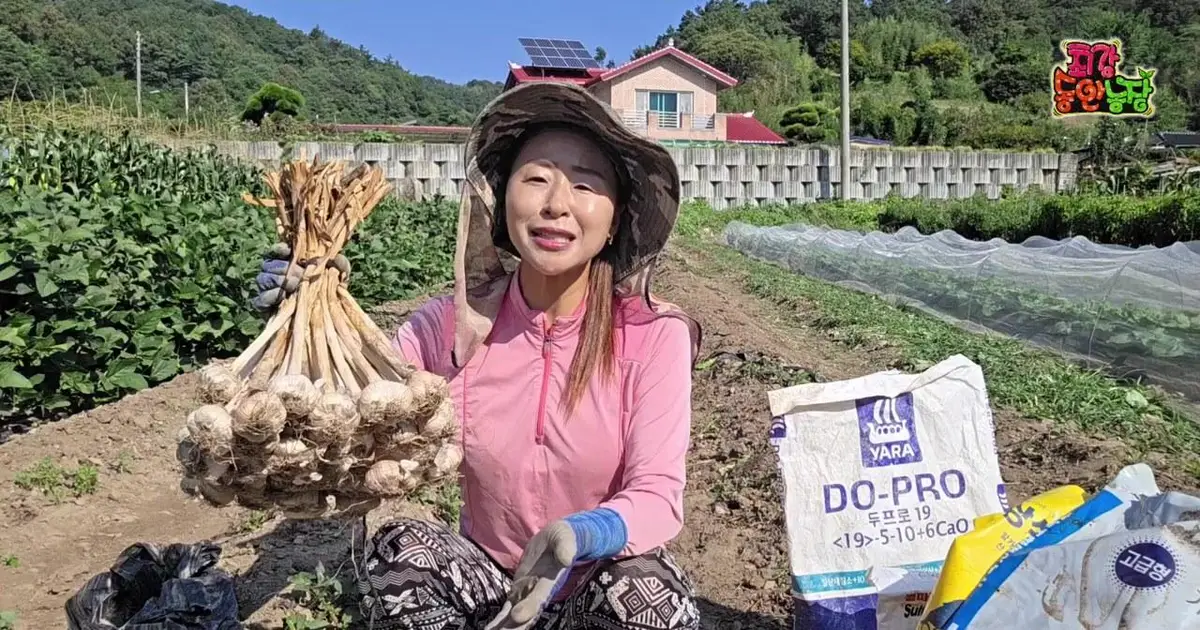
Garlic is a crop with a cultivation period of approximately 8 months, and how the field is prepared before planting is a key factor that determines the yield and the size of the garlic. According to a video from Imsil Perilla Lady, in the case of Red Ginseng Garlic, there is a distinct difference in the size of the garlic cloves (bulbs) depending on the planting period.
Red Ginseng Garlic: Bulb Size Varies by Planting Time
When cultivating Red Ginseng Garlic, the planting period directly affects the quality of the harvest. The video used last year's cultivation case to explain the difference when planting three times at 11-day intervals from late September to mid-October. Garlic planted in late September or early October had large bulb sizes and high yields, but the Red Ginseng Garlic planted in mid-October was clearly smaller in grain size. Therefore, if planting Red Ginseng Garlic, planting should be completed by early October at the latest to harvest larger garlic.
Soil pH Adjustment and Fertilizer Component Selection
For successful garlic farming, the condition of the soil must be checked first. To improve acidified soil, dolomitic lime should be used, which is recommended to be used alone about once every 2 to 3 years. Lime (calcium) and dolomite (magnesium) create a soil environment favorable for garlic growth. A point of caution here is that if dolomitic lime is added together with compost, the nitrogen component of the compost may evaporate, so it is better to spread the compost with an interval of at least 1 to 2 weeks.
When selecting fertilizer, the composition of components must be closely examined. Choosing a fertilizer with a high phosphorus (P) content helps the garlic establish strong roots deep in the ground during the winter. Additionally, it is advantageous to use fertilizers containing calcium and sulfur to improve the quality of the garlic. Calcium makes the garlic tissue firm, increasing its storability, and sulfur helps the allicin component that enriches the unique pungent taste and aroma of garlic. If adjusting individual components is difficult, using a fertilizer specifically made for garlic and onions is also a method.
When using compost, it is safe to use fully fermented compost that has aged for more than a year to reduce gas damage. This is because using immature compost can increase the occurrence rate of pests such as onion flies. Furthermore, to prevent fungal damage such as black scurf, it is important to prepare the field by treating it with fungicides as well as soil insecticides.

Comments 0