
The Trap of Whisky Labels: 'Small Batch' and 'Limited Edition' are Marketing Terms with No Legal Definition
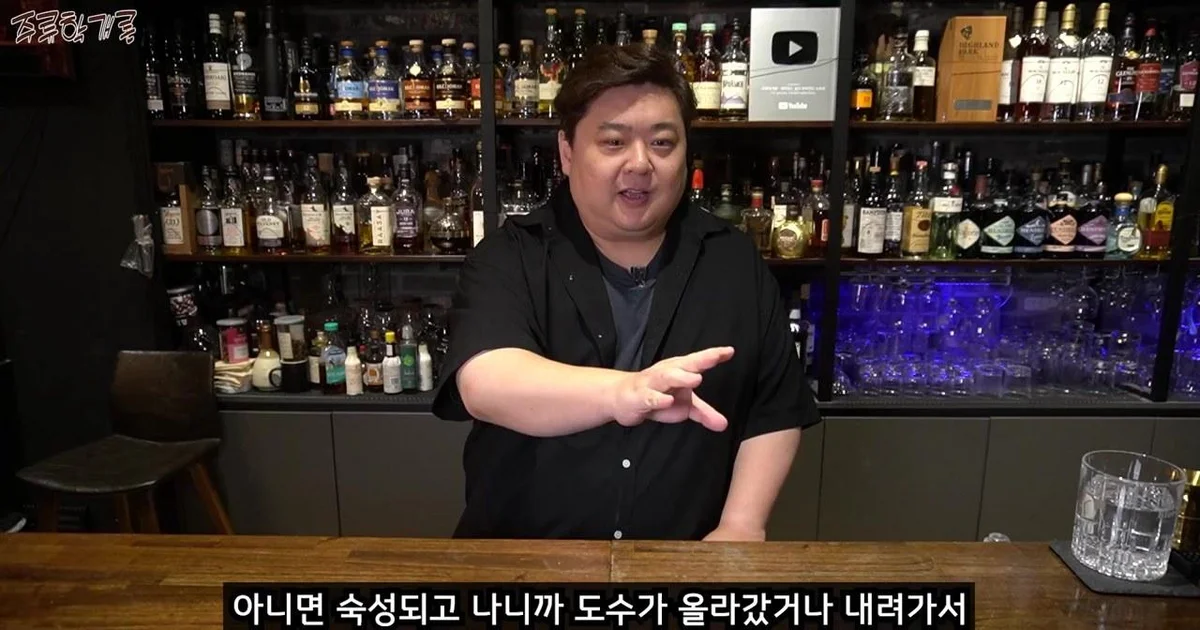
Among the terms written on whisky labels, some are strictly defined by law, while others are marketing terms that can cause confusion for consumers. According to a video from the YouTube channel 'Introduction to Liquor', whisky label terms can be classified into three types: terms with legal definitions, terms that are implicitly accepted, and marketing terms.
Alcohol Content Terms with Legal Definitions
There are four terms related to alcohol content that are legally defined. These include Cask Strength, Barrel Proof, Original Barrel Proof, and Entry Proof. The video explains that unlike in Scotland, where Cask Strength means the state of not being diluted with water, in the United States, the term Cask Strength can be used as long as the bottling strength is not more than 1 degree lower than the strength in the oak cask. In other words, minute adjustments to the alcohol content are possible in the United States.
Barrel Proof is used in the United States with the same meaning as Cask Strength, while Original Barrel Proof and Entry Proof are terms defined only under U.S. law, which can be used when the strength when put into the oak cask is the same as the strength when bottled. On the other hand, terms such as Barrel Strength, Full Proof, Full Strength, and Uncut are not specified in legal regulations, so it is noted that standards may vary by company.
Precautions Regarding 'Single Cask' and 'Cask' Related Terms
Among the terms containing 'Single', Single Malt carries the condition that a pot still must be used in the case of Scotland and Ireland. Single Grain refers to whisky made using other grains at a single distillery, and Single Pot Still is an Irish regulation that requires using more than 30% unmalted barley and passing through a pot still.
The term 'Single Cask' was mentioned as a term consumers should be careful of. The video explains that just because it is called a Single Cask, there is no guarantee that the liquid was bottled exactly as it came from a single oak cask. This is because even if an oak cask is damaged during aging and the liquid is moved to another cask (B) for aging before bottling, it can still be called a Single Cask based on the final cask. Additionally, 'New Oak', which refers to a new oak cask, is defined under U.S. law, but there is no legal definition in Scotland. 'First Fill' is an expression used when whisky is filled for the first time into a cask that was not a new oak cask but had aged wine, rum, etc., and 'Refill' refers to the processes following that.
Marketing Terms with Unclear Meanings and Japanese Whisky
Marketing terms that require caution due to a lack of legal standards were also introduced. 'Small Batch' means that a certain scale of casks is gathered for bottling, but since the standard for 'Small' varies by distillery, even large-scale producers can use this term. Furthermore, terms such as Reserve, Special Reserve, Select, Master's Selection, Craft, Premium, Rare, and Limited Edition fall under marketing terms that have no specific legal meaning.
Finally, 'Japanese Whisky' is a regulation of the Japan Whisky Makers Association, not a Japanese national law. Therefore, it was reported that caution is needed as there may be cases where products sold overseas are sold as if they were Japanese whisky even if they do not follow this regulation.
Related Articles
Baekje Soju 33° Wins Unanimous 'Double Gold' at International Spirits Competition

Potato vs. Sweet Potato: Which would you choose if you had to eat only one for a month?
30x Price Difference in Bourbon Whiskey, Blind Test Results Were Unexpected
Confucius Family Liquor Jayak, a 39-degree Baijiu that cuts through the greasiness of oily Chinese cuisine
Hannam-dong's Soyanggang Hoemacha: Fresh Raw Shrimp Sashimi for 30,000 Won with Complimentary Fried Shrimp and Head Fritters
12-Year Aged Whisky Blind Test: Single Malt and Blended Rankings Match Perfectly

MONSTA X's Jooheon's Xiaolongbao Challenge: The Key is the One-Way Kneading Method to Lock in Juices
Types of Casks that Determine Whisky Flavor: A Summary of Characteristics from Sherry to Bourbon
German Sausage Tour: A Meat Journey from Regensburg to the Summit of the Alps
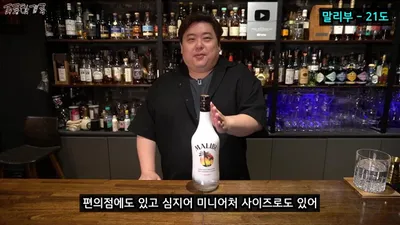
From Peachtree to St-Germain: Recommended Combinations for Liqueurs Available at Marts and via Apps

From Namdaemun Market Street Food to Outdoor Makgeolli, a Food Tour Experienced by a Japanese Influencer

The Secret of Muan Straw-Fired Pork Belly's 3mm Thickness: A Recipe for Capturing Straw Aroma and Juiciness
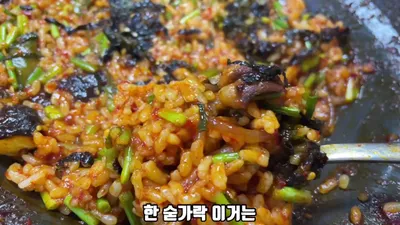
Yeongdeungpo Hanwoo Gukbap with 3-Day Aging: The Secret of a Restaurant that Built a 3-Story Building
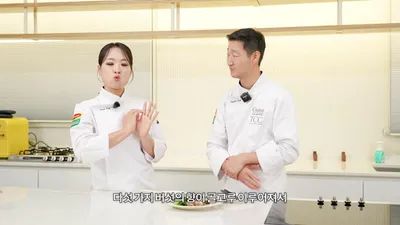
Chef Jung Ji-sun and Chef Shim Sung-chul Collaboration: A Meeting of New York-style Steak and Chinese Cuisine

Soraepogu Fish Market Visit: Blue Crab Freshness and Precautions for Using Gift Certificates

Rural Development Administration Researcher Kang Hee-yoon Aims to Increase Agricultural Value Through K-Whisky and Traditional Liquor Research
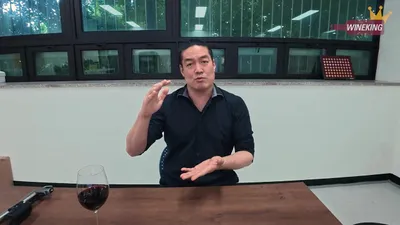
Introduction of Michelin Winery Ratings and Questions Raised Regarding Evaluation Methods
How to Set a Jesa Table: “Red East, White West”? “Jujubes, Chestnuts, Pears, Persimmons”? What Matters Most for Chuseok Rites

Thumbs Up! The Highlight of a Trip to Japan: Convenience Store Food—Recommended Picks Including Onigiri and Bento
Comments 0