
12-Year Aged Whisky Blind Test: Single Malt and Blended Rankings Match Perfectly
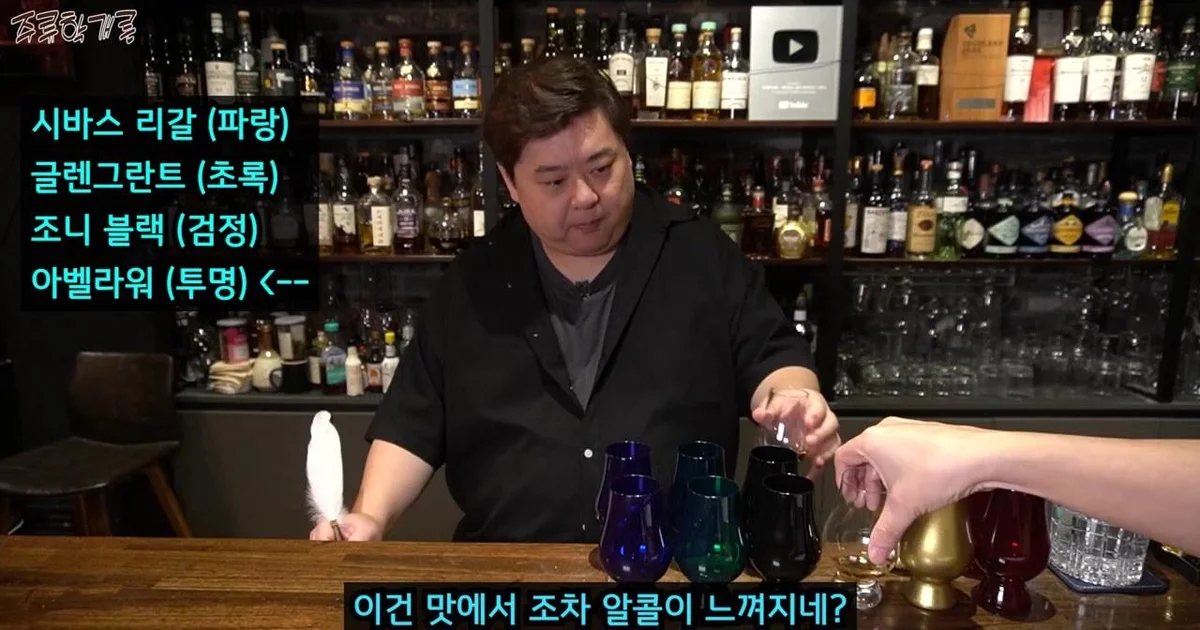
In the whisky community, opinions often arise that "blended whisky tastes bad" or is "poor quality whisky." While blended whisky is characterized by lower unit costs due to the frequent use of continuous stills, this does not necessarily translate to a difference in taste quality. According to a video (released on September 9, 2026) from the YouTube channel 'Introduction to Liquor - Interesting Behind Stories of Alcohol,' participants conducted a blind test on three types of 12-year-aged single malts and three types of blended whiskies to identify the differences.
Blind Tasting Results of 6 Types of 12-Year Aged Whisky
The participants conducted a blind test to distinguish the whiskies contained in six glasses, which were differentiated by color, based on their aroma and taste. As a common characteristic of the 12-year-aged products, it was mentioned that the alcoholic kick was felt during the tasting process. The participants in the video pointed out this commonality, stating, "It is rare for the alcohol proportion to be low in 12-year aged whiskies." The specific characteristics for each glass are as follows.
The blue glass showed a combination of apple, fruit, flower, and grass aromas, but had a strong alcohol scent. The green glass had aromas of fruit, honey, and grass, while the black glass showed smoky flavors along with the taste of dried fruit. The transparent glass was characterized by a nutty taste, and the gold glass felt sweet and nutty. For the red glass, there were opinions that it smelled like newspaper, an attic, or a basement. In particular, for the red glass, a specific description followed: "a feeling of hay added to a damp barn."
Confirmation of Single Malt and Blended Rankings and Identities
After the tasting, the participants distinguished between blended whisky and single malt whisky and ranked their respective tastes. Surprisingly, the results showed that the rankings of the two participants matched perfectly. An unusual situation occurred where the rankings of the two participants matched across all sections for the first time in 6 years. The final rankings were tallied in the order of 1st Gold, 2nd Green, 3rd Blue, 4th Black, 5th Transparent, and 6th Red. The results after confirming their identities are as follows:
- Gold (1st): Macallan (Single Malt)
- Green (2nd): Glen Grant (Single Malt)
- Blue (3rd): Chivas Regal (Blended)
- Black (4th): Johnnie Walker Black (Blended)
- Transparent (5th): Aberlour (Single Malt)
- Red (6th): Old Parr (Blended)
During the identity confirmation process, the participants showed a high accuracy rate by correctly identifying Macallan (Gold) and Johnnie Walker Black , among others. As a result of the test, single malts and blends were mixed from 1st to 3rd place, leading to the conclusion that the taste difference between single malts and blends is not very distinct in the 12-year aged category.
Conclusions Drawn from the Blind Test
Through this test, the participants confirmed that "at the 12-year aged level, the difference between blends and single malts is marginal." It showed that single malts do not necessarily monopolize the top rankings and that the taste of whisky can vary depending on individual preference. The participants mentioned that capturing the characteristics of aroma and taste was not easy, adding, "There is an underlying thought of 'if it tastes good, must it be a single malt?'"
Furthermore, since this experiment was conducted targeting 12-year aged products, it concluded with a suggestion to conduct comparative tests targeting high-aged whiskies in the future, excluding smoky flavors. The participants shared that if one possesses a large collection of whisky, enjoying such blind tests with acquaintances is a good way to spend time.
Related Articles
MONSTA X's Jooheon's Xiaolongbao Challenge: The Key is the One-Way Kneading Method to Lock in Juices
Types of Casks that Determine Whisky Flavor: A Summary of Characteristics from Sherry to Bourbon
German Sausage Tour: A Meat Journey from Regensburg to the Summit of the Alps
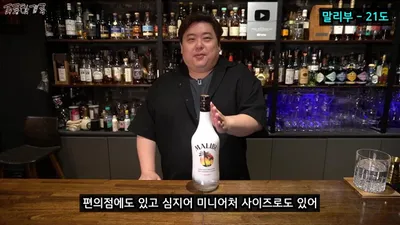
From Peachtree to St-Germain: Recommended Combinations for Liqueurs Available at Marts and via Apps
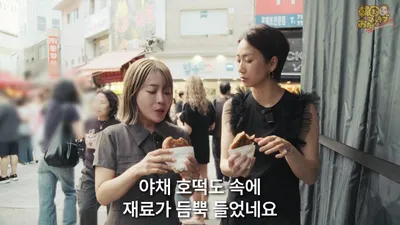
From Namdaemun Market Street Food to Outdoor Makgeolli, a Food Tour Experienced by a Japanese Influencer

The Secret of Muan Straw-Fired Pork Belly's 3mm Thickness: A Recipe for Capturing Straw Aroma and Juiciness
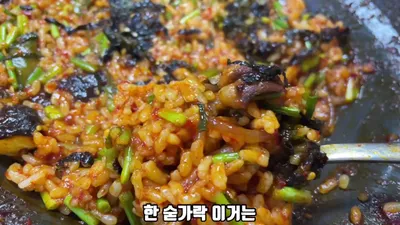
Yeongdeungpo Hanwoo Gukbap with 3-Day Aging: The Secret of a Restaurant that Built a 3-Story Building
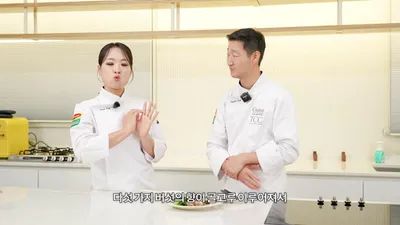
Chef Jung Ji-sun and Chef Shim Sung-chul Collaboration: A Meeting of New York-style Steak and Chinese Cuisine

Soraepogu Fish Market Visit: Blue Crab Freshness and Precautions for Using Gift Certificates

Rural Development Administration Researcher Kang Hee-yoon Aims to Increase Agricultural Value Through K-Whisky and Traditional Liquor Research
Introduction of Michelin Winery Ratings and Questions Raised Regarding Evaluation Methods
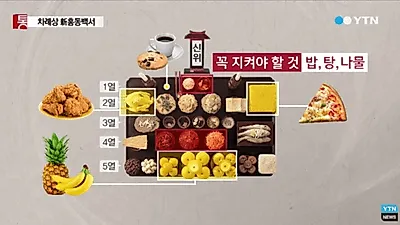
How to Set a Jesa Table: “Red East, White West”? “Jujubes, Chestnuts, Pears, Persimmons”? What Matters Most for Chuseok Rites

Thumbs Up! The Highlight of a Trip to Japan: Convenience Store Food—Recommended Picks Including Onigiri and Bento
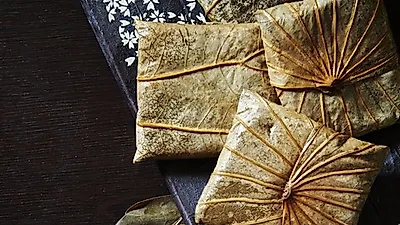
Daeboreum Foods: Five-Grain Rice and Bokssam Recipes and Meanings—“May Good Things Happen All Year”
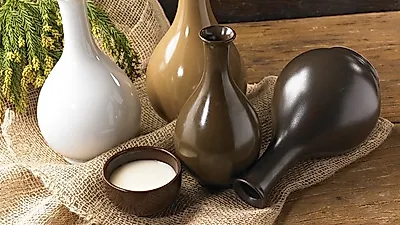
Makgeolli Made After Filtering Out Cheongju—Is Makgeolli Now the Main Brew? Yangpyeong Makgeolli

Noryangjin Restaurants for Students and Civil Service Exam Candidates
The Perfect Balance of Salty and Savory: Pollock Roe Mayonnaise
Exploring the Origin and History of Jjamppong
Dim Sum, a Must-Try in Hong Kong and Taiwan: Exploring Its Varieties and Top Restaurants
Comments 0