
Introduction of Michelin Winery Ratings and Questions Raised Regarding Evaluation Methods
Michelin has introduced a rating system for wineries using the "Grape" designation…
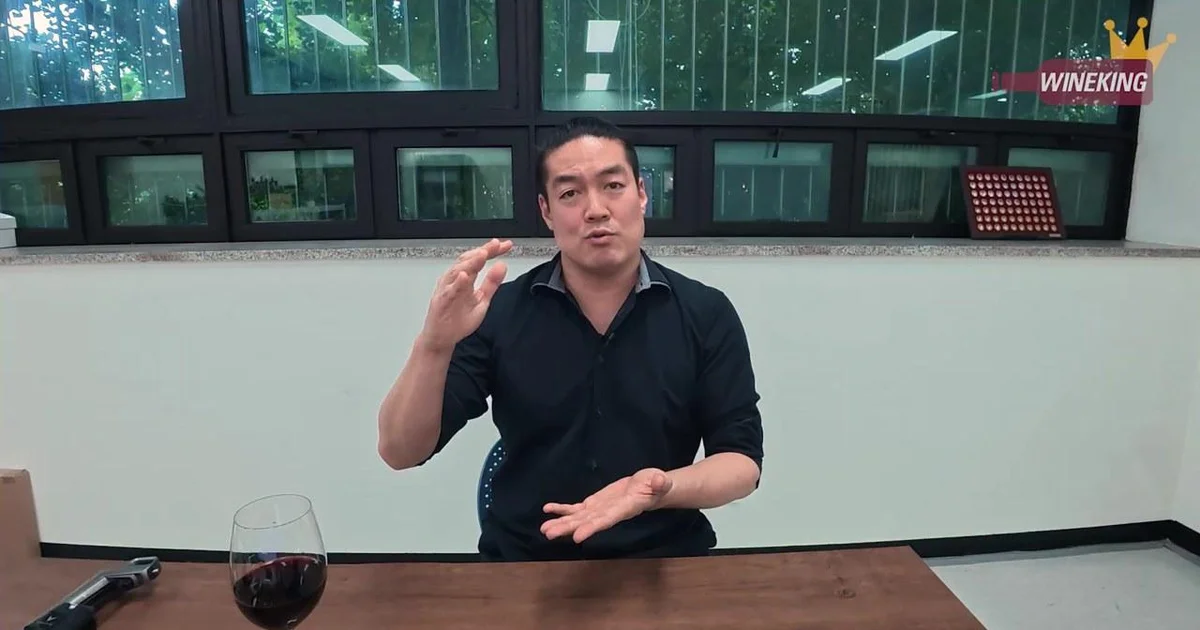
Michelin has introduced a system that goes beyond its existing restaurant evaluations to assign ratings to wineries. Just as it awards 'Stars' to restaurants, it distinguishes winery ratings using the name 'Grape'. According to a wineking video, this new evaluation system is intended to simplify complex wine quality assessments to help novice consumers understand them.
Price Imbalance and Market Impact Due to Identical Ratings
The issue lies in the impact the rating method will have on price formation in the wine market. The video explains this using famous wineries in the Bordeaux region as examples. 'Château Latour', one of the five great châteaux of Bordeaux, did not receive a rating in this evaluation, whereas 'Mouton Rothschild', 'Haut-Brion', and 'Margaux' received two stars (2 Grapes). On the other hand, as the relatively less famous 'Château Pontet-Canet' also received two stars, consumers are highly likely to perceive them as being of the same class.
Points are being raised that price distortions may occur in this process. For example, an ultra-high-priced wine that received one star, 'Le Pin' (around 4 million won per bottle), and a low-priced wine that received one star, 'Château Melpongmelsie' (around 70,000 won per bottle), would receive the same rating. While the price of ultra-high-priced wines like Le Pin does not easily decrease due to the principles of supply and demand, analysis suggests that the price of low-priced wines that receive a star is likely to rise, which could cause confusion in the market's price system.
Controversy Over Evaluation Transparency and Discrepancies in Field Verification
The most serious issue is that the evaluation method claimed by Michelin differs from the actual voices on the ground at the wineries. Michelin states through its official guide that wine inspectors directly visit wineries to conduct close verification of vineyard management (agronomy) and winemaking techniques (technical mastery) throughout the year. However, some wineries, such as 'Domaine Arnoux-Lachaux' in Burgundy, have never cooperated with Michelin's evaluations and have taken the position of requesting their removal from the listings.
The video also mentions the structural vulnerabilities of Michelin's evaluation method. While restaurant evaluations are conducted based on anonymity, winery evaluations take the form of 'official visits' where the visit schedule is announced in advance. This method raises concerns that it could increase the possibility of external brokers intervening or lobbying occurring. In particular, since cooperation from producers is essential to evaluate vineyard management and winemaking techniques, there are demands for methodological transparency regarding how those items were verified in situations where producers refuse visits.
Conclusion and Implications
The French wine industry is currently experiencing various difficulties, such as declining consumption. As Michelin, a private company, expands its business into the wine sector and exerts influence on the market, voices are growing that transparent scoring methods and disclosure of grounds commensurate with its authority are necessary. While it is a natural phenomenon for evaluation results to move actual market prices, it is pointed out that objective criteria acceptable to consumers must be a prerequisite.


Comments 0