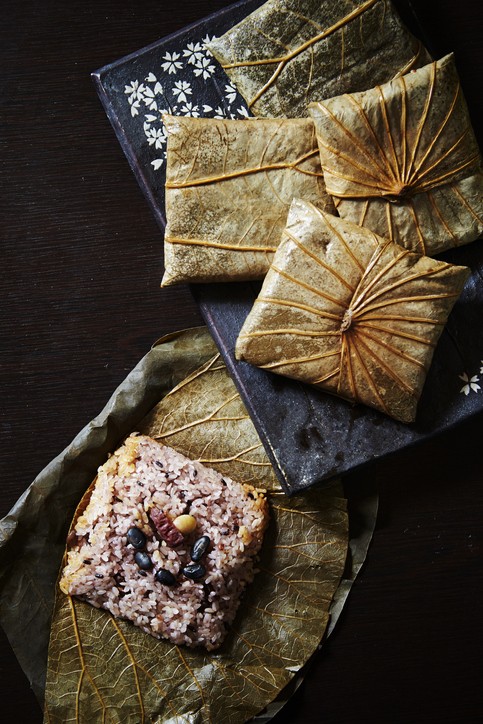
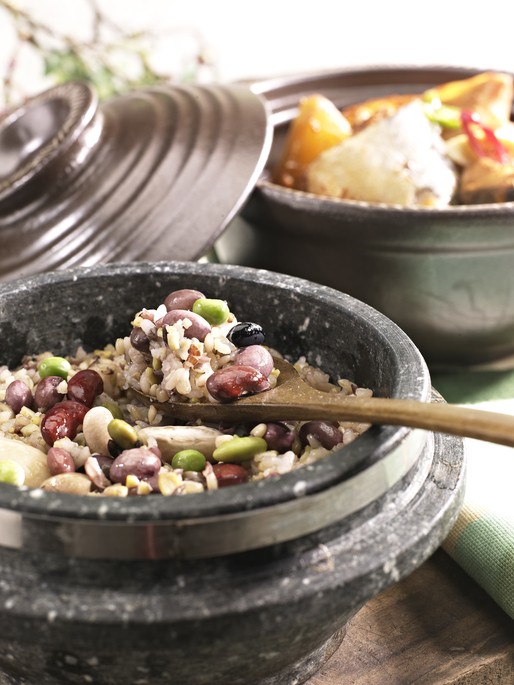
Interest is growing in five-grain rice and bokssam, two foods eaten on Daeboreum. Many people ate five-grain rice and bokssam to celebrate Daeboreum on the 19th. What meaning do these Daeboreum foods hold, and how are they made? “Daeboreum” falls on the 15th day of the first lunar month and marks the first full moon of the new year. Traditionally, Koreans ate bokssam—yakbap and five-grain rice wrapped with seasoned dried vegetables—cracked nuts and drank ear-quickening wine on this day to ward off evil spirits and pray for good fortune for the household. Five-grain rice is especially representative of the holiday. Its origins are traced to King Soji of Silla, who held a memorial rite every year on the 15th day of the first lunar month by preparing yaksik with precious ingredients to thank a crow that had warned him of a plot against the throne. Commoners who could not easily obtain costly ingredients such as pine nuts and jujubes instead made five-grain rice, hoping to ward off misfortune and pray for health and a bountiful harvest in the coming year. Five-grain rice is made with glutinous rice, glutinous foxtail millet, glutinous sorghum, glutinous proso millet, red beans and black beans.
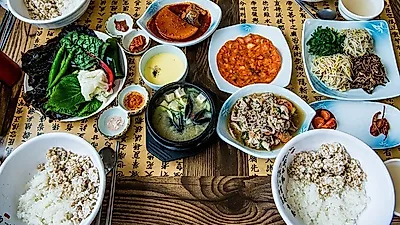
Bokssam is a custom of wrapping rice in laver or chwi greens and eating it, symbolizing the act of wrapping up and consuming good fortune. Since ssam means wrapping something, bokssam literally means wrapping and eating good fortune. On Daeboreum, rice is wrapped in laver or chwi greens, an act that serves both as a prayer for good luck and as an agricultural ritual wishing for a bountiful harvest. Depending on the region, bokssam is also called nojeokssam or gimssam. It can be made easily by stir-frying dried chwi greens, bellflower root, mung bean sprouts or dried radish greens in oil, then wrapping them around rice. Bokssam originated from eating vegetables dried throughout the autumn to supplement vitamins during winter. It can be made with various seasonal greens and enjoyed in many ways according to personal taste.
[FAM Times = Reporter Park Jong-cheol]
#Daeboreum#five-grain rice#bokssam#Korean traditional food#lunar new year#seasonal customs



Comments 0