
Types of Casks that Determine Whisky Flavor: A Summary of Characteristics from Sherry to Bourbon
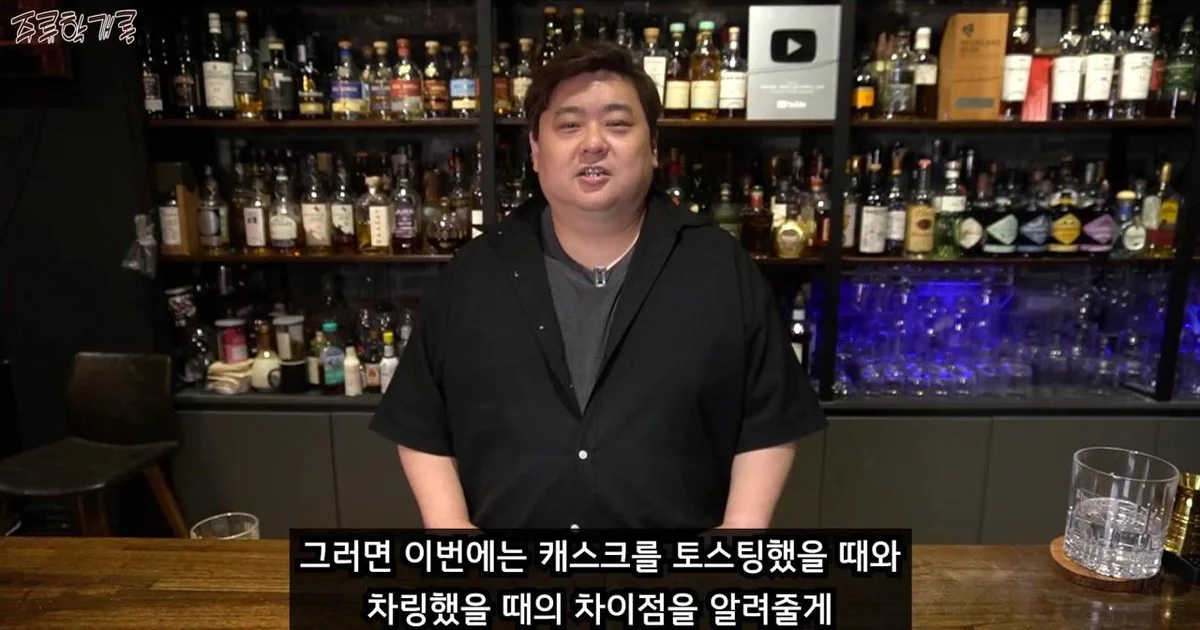
Information has been released summarizing the types of casks (oak barrels), which are a key factor in determining the flavor of whisky, and the resulting changes in taste. According to the Introduction to Alcoholic Beverages - Interesting Stories Behind Drinks video, whisky undergoes three major changes during the process of aging in oak barrels: the extraction of wood components, the removal of unnecessary components, and the transformation of components through oxidation.
Differences in taste created by wood types and processing methods
The most widely used wood for whisky aging is American White Oak. Using this wood is characterized by having less astringency and strengthening flavors of coconut, vanilla, honey, and caramel. The second most used, European Oak, is divided into Spanish Oak and French Oak. Spanish Oak adds aromas of dried fruits, cloves, dark chocolate, and leather, while French Oak imparts flavors such as spices, citrus, and gingerbread cookies.
In the case of special woods, Japan's Mizunara (water oak) is representative. Mizunara, which began to be used in the past due to difficulties in importing, was initially avoided due to its raw scent and strong acidity, but after long-term aging, it becomes a precious material that produces flavors like sandalwood, agarwood, and phytoncide. Korea's native species, Mongolian Oak and Cork Oak, are also subjects of research. Mongolian Oak is known to produce a sweet vanilla flavor, while Cork Oak is known to produce spicy flavors like a forest wood sauna or Mentholatum. Additionally, Brazil's Amburana casks are used for short finishes, providing flavors like cinnamon rolls or pastries.
The methods of processing casks, 'Toasting' and 'Charring', also have a significant impact on taste. Toasting is the process of baking the wood, and depending on the temperature and time, various aromas can be adjusted, from vanilla flower scents to dark chocolate and espresso. On the other hand, charring is a method of burning the inside of the oak barrel with direct fire; if it proceeds to the 'Alligator Char' stage, where the wood surface cracks like alligator skin, the interior acts as a filter to remove unpleasant components from the whisky.
Flavor changes according to the previously contained alcohol (cask)
The most powerful influence on the taste of whisky is the type of alcohol that was previously contained in the cask. Sherry wine casks provide very subdivided flavors depending on the type. Fino Sherry casks provide aromas of green apple and bread, Manzanilla Sherry casks add a salty taste and olive aroma, and Oloroso Sherry casks add aromas of raisins, dark chocolate, and spices. Pedro Ximénez casks are characterized by intense flavors such as figs, dried plums, brown sugar, and espresso.
Bourbon casks mainly produce vanilla, coconut, caramel, and cinnamon flavors, while Port wine casks impart strawberry and blueberry aromas in the case of Ruby Port, and walnut and chocolate aromas in the case of Tawny Port. Madeira wine casks provide flavors with added acidity, and Marsala wine casks produce aromas of dried apricots and tamarind (a flavor similar to dried plums put in plum syrup).
In addition to these, Sauternes casks that provide honey and peach aromas, Amarone casks that provide raisin and cherry aromas, and rum casks that provide brown sugar and tropical fruit flavors are used to expand the spectrum of whisky. The video specified that these flavors can vary depending on the aging period and the basic characteristics of the spirit.

Comments 0