
The Secret of Muan Straw-Fired Pork Belly's 3mm Thickness: A Recipe for Capturing Straw Aroma and Juiciness
The video from meat-specialist channel YOOXICMAN explores the culinary traditions of Jeollanam-do…
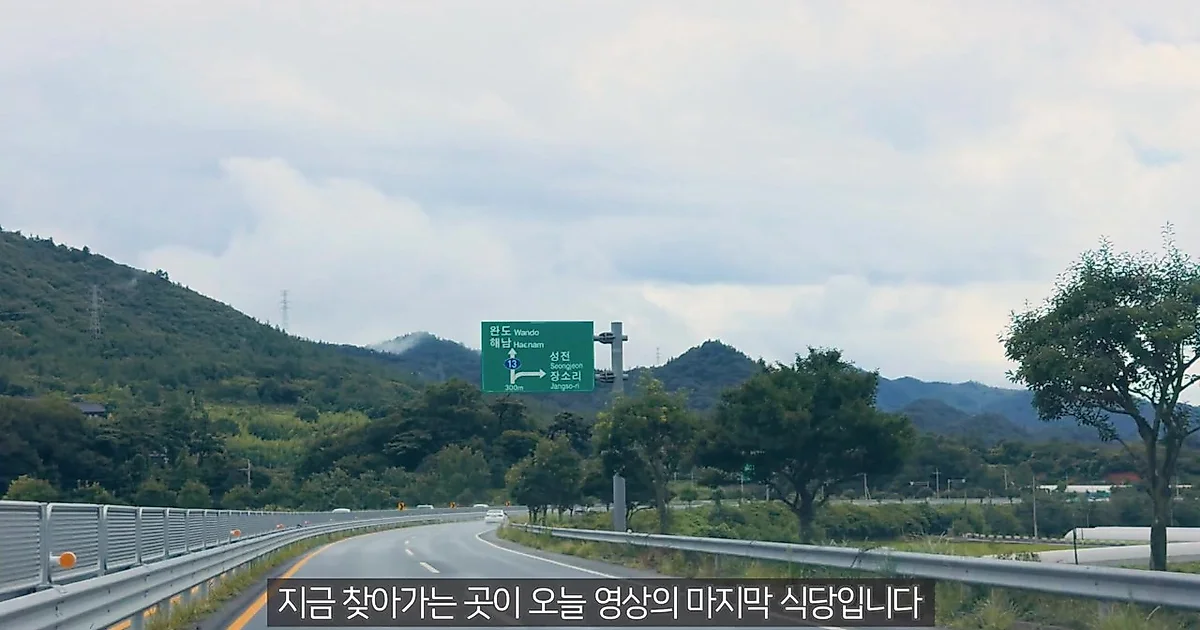
The Jeollanam-do region is considered a land of exceptional flavors, from basic ingredients like rice, salt, sauces, and salted seafood. According to a video from the meat-specialist channel 'YOOXICMAN', the first destination of this Namdo meat tour is Mongtan-myeon in Muan County, which is called the mecca of straw-fired pork belly. The straw-grilling technique that is the signature of the famous restaurant 'Mongtan' in Samgakji, Seoul, was inspired by the restaurants here in Muan, as the local flavors boast a deep history and unique cooking methods.
The Aesthetics of Muan Straw-Fired Pork Belly: The Harmony of 3-Year Aged Straw and 3mm Thickness
Duam Sikdang, a specialty straw-fired pork belly restaurant in Mongtan-myeon, Muan County, presents a unique meat-grilling method using straw. According to a restaurant official in the video, the aging process of the straw is very important to maintain consistent heat and eliminate any meat odors. Using straw that has been aged for about 3 years to completely remove moisture is necessary to make the heat properly effective, rather than using 1–2 year old straw; if straw with remaining moisture is used, the meat may taste bitter. The video captures the sight of straw piled up like a mountain, and how hellish heat surges just 2–3 seconds after new straw is pushed in.
The thickness of the meat is also a key factor in determining the taste. Rather than simply grilling the meat thick, the restaurant uses meat approximately 3mm thick to preserve juices while achieving the optimal texture. The heat of the straw is a powerful direct fire exceeding 1,000 degrees, which focuses on cooking the meat instantly to infuse it with the straw aroma rather than focusing on the 'Maillard reaction' that browns the meat. Thanks to this process, the meat maintains a soft texture and rich juices rather than being crispy like it was burnt. Since the meat is grilled immediately upon order using this heat, it has the characteristic of staying warm.
What adds to the taste of the pork belly are the side dishes unique to Namdo. In particular, 'Chilgyejang' containing the characteristics of the Muan area catches the eye. Chilgyejang is a seasoning made by grinding crabs from the Muan tidal flats whole with their shells; the local way is to dip the pork belly in Chilgyejang or enjoy it with Chilgyejang bibimbap. When paired with anchovy salted seafood, green onion kimchi, and onion kimchi, it harmonizes with the straw aroma. Side dishes like onion kimchi are provided as unlimited refills, allowing one to fully enjoy the local taste.
The Taste of Changpyeong, Damyang: Anbong Sundae Gukbap Rich in Offal
After finishing the straw-fired pork belly tour, the destination moved to the gukbap town located in Changpyeong-myeon, Damyang County. Changpyeong gukbap is characterized by a collection of several restaurants based on the regional name. The video highlights the characteristics of 'Anbong Sundae Gukbap' among the Changpyeong gukbap options. The Changpyeong gukbap town consists of several places, including a restaurant with a yellow sign, but the video shows a journey passing by a place under remodeling to find a highly reputable restaurant.
Changpyeong gukbap evolved from the former form of seonji-guk (blood soup) and is characterized by a clean broth flavor made by adding kelp stock to a base of pork bones and seonji (ox blood). In particular, the gukbap containing 'Anbong Sundae' is an element that differentiates it from other places. The Anbong Sundae Gukbap shown in the video features very abundant ingredients, with a substantial composition that allows one to enjoy the amount of offal boiled meat (suyuk) typically ordered in large cities like Seoul for the price of one bowl of gukbap (10,000 won). The broth is clean, and it is highly popular for breakfast due to the thick sundae and various offal stuffed inside.
Characteristics of the Namdo Meat Tour and Local Food Culture
The characteristic of Namdo food confirmed in this video is the combination of not only the taste of the meat itself but also the powerful seasonings and salted seafood culture that support it. In the case of straw-fired pork belly, the dryness and aging period of the straw determine the heat, which is directly linked to removing meat odors. Additionally, sauces that can only be tasted in specific regions, such as Chilgyejang using local specialty crabs, play a role in enhancing the completeness of the meat dish. Local restaurants preserve the local atmosphere, such as operating by remodeling residential houses.
The gukbap culture also reflects the characteristics of the region. Changpyeong gukbap, based on a clean broth using pork bones and seonji, provides generous portions of offal and sundae, receiving steady love from local residents and visitors. In particular, the form of a gukbap town where restaurants named after the regional area are gathered well demonstrates the concentrated food culture unique to Namdo.

Comments 0