
Golden Time for Severe Cardiovascular Patients in Gangwon: Responding with ECMO Procedures Within 60 Minutes
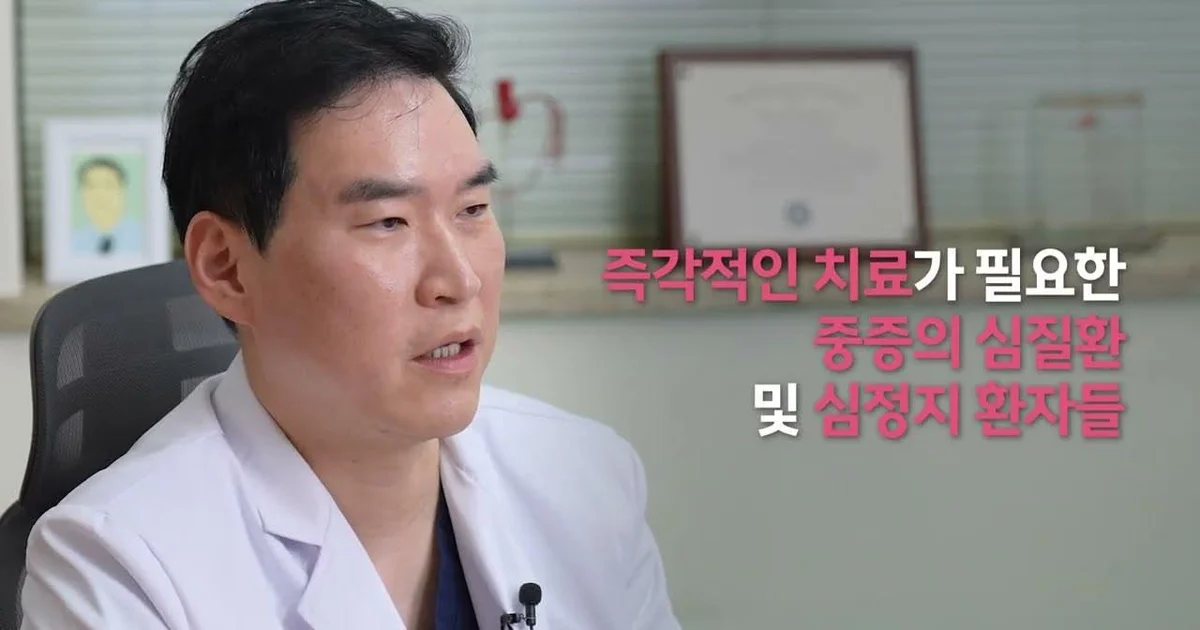
For patients with severe cardiovascular diseases where the heart or lungs fail to function properly, the life-support device ECMO plays a decisive role. To overcome the delays in travel time that can occur due to the characteristics of the Gangwon region, Hallym University Chuncheon Sacred Heart Hospital operates an organically integrated medical system that allows for ECMO procedures within 60 minutes after arrival at the emergency room.
ECMO, which replaces the functions of the heart and lungs; the key to treatment is "correcting the cause"
According to Professor Park Gyu-tae of the Department of Cardiology at Hallym University Chuncheon Sacred Heart Hospital, ECMO is a machine that temporarily replaces the roles of the heart and lungs when heart function is lost due to cardiogenic shock or myocardial infarction. While assisting the functions of the heart and lungs through ECMO, medical staff perform procedures to clear blocked heart vessels or combine it with ventilator treatment to recover lung function. Afterward, once the heart and lungs have sufficiently recovered, the ECMO is removed.
The most important criterion for deciding on an ECMO procedure is "whether the cause of the patient's cardiac arrest can be corrected through ECMO treatment." This is because ECMO is a procedure that places a heavy physical burden on the patient and requires the cooperation of multiple medical staff members. In the case shown in the video, a 47-year-old male patient who experienced cardiac arrest along with chest pain in the early morning recently was able to fully regain consciousness and move to a ward through angiography and stent treatment immediately after arriving at the emergency room.
From the emergency room to the intensive care unit, a one-stop system continuing within 60 minutes
Due to the geographical characteristics of the Gangwon region, travel time for patients with severe heart disease can be long, making rapid response more important than anything else. The Regional Emergency Medical Center of Chuncheon Sacred Heart Hospital is equipped with a "one-stop system" where the Department of Emergency Medicine holds the patient's life while the Department of Cardiology is immediately connected to begin the procedure. By shortening the time from when a patient enters the emergency room doors to when they receive the procedure to within 60 minutes, they actively perform vascular treatment for acute myocardial infarction patients.
This organic cooperation system is the key driver for increasing patient survival rates. According to the video, the survival rate for ECMO treatment at the hospital is recorded at over 85%. Professor Park Gyu-tae mentioned that as warning signs of acute myocardial infarction, pain that feels like it is pressing down on the center of the chest or pain that moves toward the left shoulder may occur, and urged people to call 119 without delay. To prevent situations where cardiac arrest occurs or kidney function declines due to delayed treatment, initial response is most important.
Related Articles
Wishes of a child undergoing dialysis after transplant: going to a swimming pool and traveling to Japan
Reasons to Manage Arteries, Veins, and Capillaries Separately and Recommended Ingredients
Dr. Lee Wang-jae explains biochemical mechanisms of Vitamin C for liver damage recovery and hangover relief
Precautions for Patients Taking Antiplatelet Drugs After Stent Insertion During Dental and Endoscopic Procedures
Three Principles of Wound Care: Key Steps are Rinsing with Running Water After Hemostasis and Maintaining a Moist Environment

"Do I have to sleep for 8 hours?" Sleep quality and cycles are more important than sleep duration
Berberine for Blood Sugar and Fatty Liver, Curcumin for Inflammation and Anticancer Effects
Processed Meat, High Fructose Corn Syrup, and Salted Seafood: Unexpected Foods That Create Cancer-Inducing Environments
Why it is difficult to conclude that post-meal drowsiness is caused by blood sugar spikes
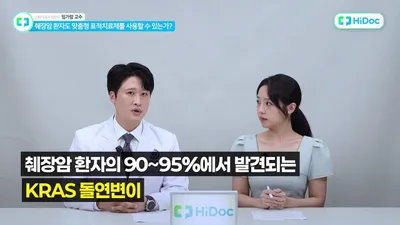
Pancreatic Cancer 5-Year Survival Rate Stagnates at 10%... Potential for Paradigm Shift with Development of K-RAS Targeted Therapies

Do Diabetes Medications Damage Kidneys and Pancreas? An Endocrinology Professor Addresses Misconceptions About Drug Treatment
Saturated fats are not all the same... Comparing 15 fatty acids, Pentadecanoic acid outperforms DHA
MIND diet slows brain gray matter atrophy by 20% and delays brain aging by 2.5 years

Decreased Concentration and Digestive Issues at Thirty... The Director Ordered Tests for 'Personal Dietary Therapy'

Suspected Symptoms of Carpal Tunnel, Cubital Tunnel, and Cervical Disc Based on Finger Numbness Location
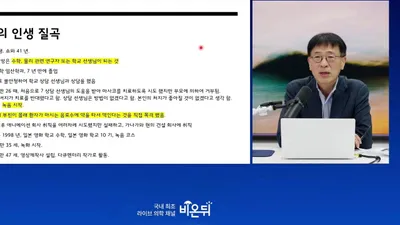
Schizophrenic Patients and Families in the Film 'What Should We Have Done?': Analyzed by a Psychiatrist
Increase in ADHD Diagnoses: Likely Due to 'Interest and Sensitivity' Rather Than Pharmaceutical Conspiracy
Vitamin B3 Extends Survival of Lung Cancer Patients by 13 Months by Activating Tumor Suppressor Genes
Is it okay to take panic disorder medication for over 10 years? The key to safe discontinuation is 'gradualness'
Comments 0