
The Core of New Drug Development: Clinical Trial Stages and the Current State of the Domestic Pharmaceutical Market
Professor Won Yong-gyun of Soonchunhyang University Cheonan Hospital explains the principles of new drug development and the structure of the domestic…
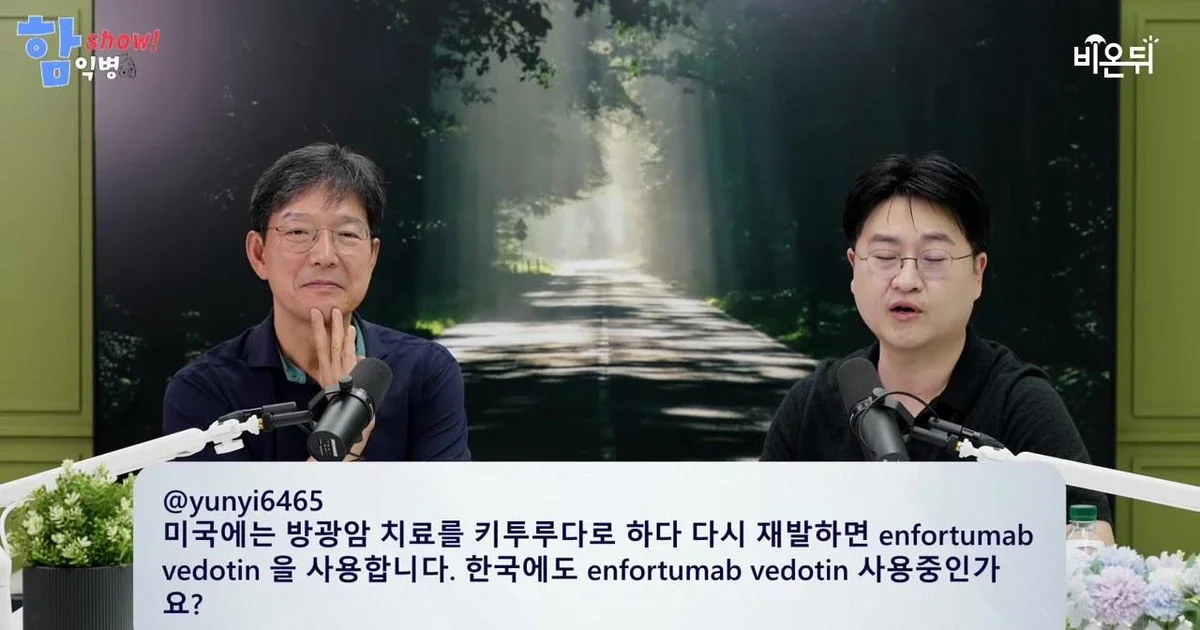
As controversies regarding the new drug development processes of pharmaceutical companies have recently surfaced, interest is rising in the stages through which a new drug is brought to the world. According to a video from the medical channel After the Rain, Professor Won Yong-gyun of the Department of Radiation Oncology at Soonchunhyang University Cheonan Hospital explained the principles of new drug development and the structure of the domestic pharmaceutical market based on his practical experience in pharmaceutical companies.
The Role of Doctors in Pharmaceutical Companies and the Scientific Principles of New Drug Development
Professor Won Yong-gyun shared his experience participating in the new drug development process while working at pharmaceutical companies in the past. Doctors belonging to pharmaceutical companies do not simply provide medical treatment; they perform various roles, such as proving the efficacy of new drugs and managing the clinical trial process. The role of doctors is particularly important in specialized medicine fields such as anticancer drugs. Won shared field experiences from his time at a pharmaceutical company, where doctors in charge of specific therapeutics worked across tertiary hospitals nationwide to maintain academic exchanges.
The video emphasized the importance of scientific evidence by mentioning a recent controversial case of a specific new drug. He pointed out that if discrepancies occur—such as research targeting DNA viruses suddenly shifting to principles related to RNA viruses during the development process of a shingles treatment—it could become a serious issue directly linked to the safety of the new drug. Experts believe that new drugs must undergo rigorous verification through the IND, Investigational New Drug stage, and if political power or the purpose of boosting stock prices intervenes instead of scientific evidence in this process, it can lead to social distortion.
The Sales Scale of Global New Drugs and Characteristics of the Domestic Pharmaceutical Market
The sales scale of new drugs currently leading the global pharmaceutical market is beyond imagination. According to data presented in the video, the anticancer drug 'KEYTRUDA' is recording high sales, and 'Mounjaro', which has recently gained attention as an obesity treatment, is showing explosive growth, with quarterly sales reaching 420 billion won for a single product. Mounjaro is showing such strong growth that its individual sales are expected to exceed 1 trillion won this year, and the obesity treatment market is being formed around Wegovy and Mounjaro. In the future, much effort is being made to evolve this market from injectable forms to oral forms.
The scale of pharmaceutical expenses spent through South Korean National Health Insurance is massive, approaching approximately 30 trillion won annually. The drugs occupying the top sales ranks in the domestic market are mainly foreign anticancer drugs or immune disease treatments, and among new drugs developed by domestic companies, the digestive agent series such as 'K-CAB' was mentioned as a representative example. Unlike in the past when Humira led the market, the market flow is changing rapidly, with drugs like Rinvoq or Skyrizi becoming popular recently.
Samsung Biologics, Celltrion, and the Growth of Biosimilars
Looking at the structure of the pharmaceutical industry in Korea, it is divided into traditional domestic-centered pharmaceutical companies and bio companies leading overseas exports. While traditional pharmaceutical companies like Yuhan Corporation mainly base themselves on the domestic market and generate annual sales of approximately 2 trillion won, Samsung Biologics and Celltrion are standing out in the global market through 'biosimilar' (biosimilar).
The two companies are competing in terms of sales scale, recording sales in the 4 trillion won range. Samsung Biologics has a strong character as a 'production-specialized company' that performs contract manufacturing of medicines, while Samsung Bioepis has a differentiated structure, performing the role of a 'development-specialized company' that directly develops medicines. This biosimilar industry is becoming a core driver for domestic pharmaceutical companies to move into the global market.


Comments 0