
Makgeolli Made After Filtering Out Cheongju—Is Makgeolli Now the Main Brew? Yangpyeong Makgeolli
Yangpyeong’s Jipyeong Makgeolli highlights the rice wine’s origins, 4–6% alcohol content, regional history and local specialty Cheonju.
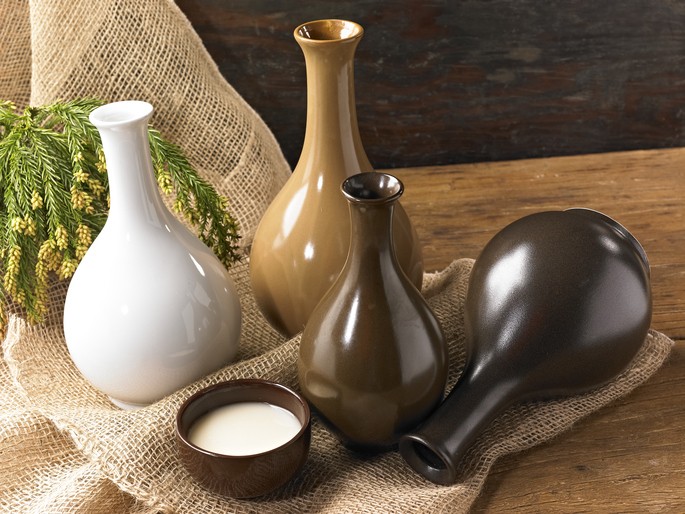
Makgeolli is made by brewing a rice starter, filtering out the cheongju, then straining the remaining lees again through a sieve and diluting them with water. It is a brewed alcoholic beverage, and makgeolli originated as a cheaper by-product of cheongju. Today, with demand for cheongju declining, makgeolli is brewed specifically for its own production, with the entire brew mixed with water and strained. The name makgeolli means “freshly strained,” and because it is cloudy compared with transparent cheongju, it is also called takju, or cloudy rice wine. There is essentially no difference between takju and makgeolli. In modern usage, takju refers to an undistilled base brew regardless of the ingredients used, while makgeolli is made primarily from rice. Makgeolli can therefore be considered a type of takju.
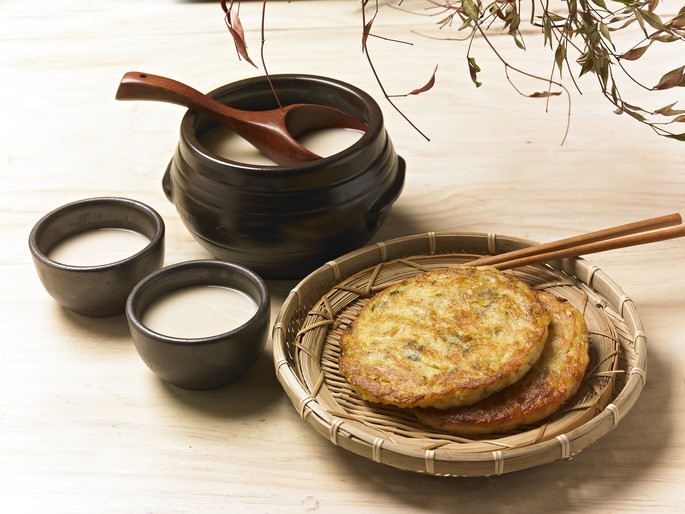
Why Is Makgeolli Called a “Drink That Keeps You Seated,” and How Strong Is It?
Makgeolli is also called a “drink that keeps you seated” because its effects are said to become noticeable not while drinking, but when the drinker stands up afterward. There is also a saying that once drunk, a person cannot even recognize their own parents. Dongdongju is classified as cheongju and is neither as thick as makgeolli nor as likely to cause a severe hangover. Makgeolli has a relatively low alcohol content of about 4–6%, so drinkers may not feel intoxicated easily. By the time they notice the effects, they may already have consumed a large amount and are therefore more likely to drink beyond their usual limit.
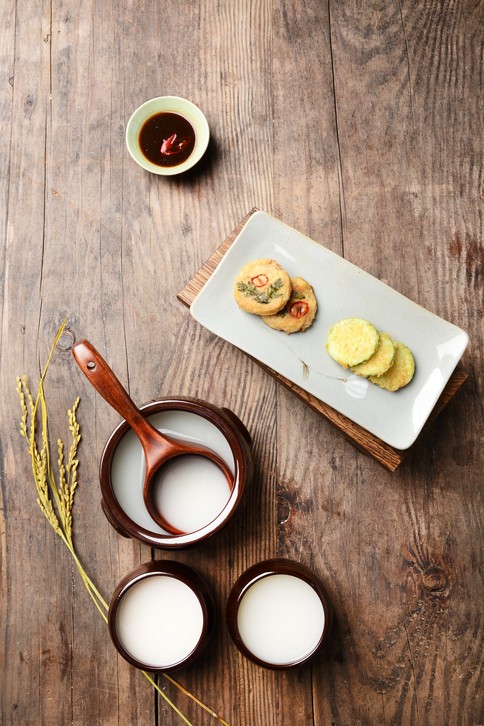
What Are Cheongju, Makgeolli’s Competitor, and Yangpyeong’s Other Specialty Products?
Each region has its own makgeolli brewery, and Yangpyeong County is home to one that produces Jipyeong Makgeolli, which is also sold in convenience stores. Although makgeolli enjoys nationwide popularity, it must be consumed quickly because of its characteristics. The law once restricted makgeolli to consumption within the region where it was produced, but regional restrictions on unpasteurized takju were lifted in 1999. In addition to makgeolli, Yangpyeong’s specialty products include Cheonju, whose name means “liquor bestowed from heaven.” Cheonju is a premium liquor marketed globally. It is brewed with medicinal mugwort and capillary wormwood, and its producer has been registered as a venture company in recognition of its traditional liquor development technology.
[FamTimes = Reporter Park Hye-min]
FAM타임스 명의로 발행된 기사를 모아 제공하는 매체 공용 저자 페이지입니다.

Comments 0