
Professor Kim Yeong-ho, "Tinnitus is often of unknown cause... Cognitive Behavioral Therapy has high evidence"
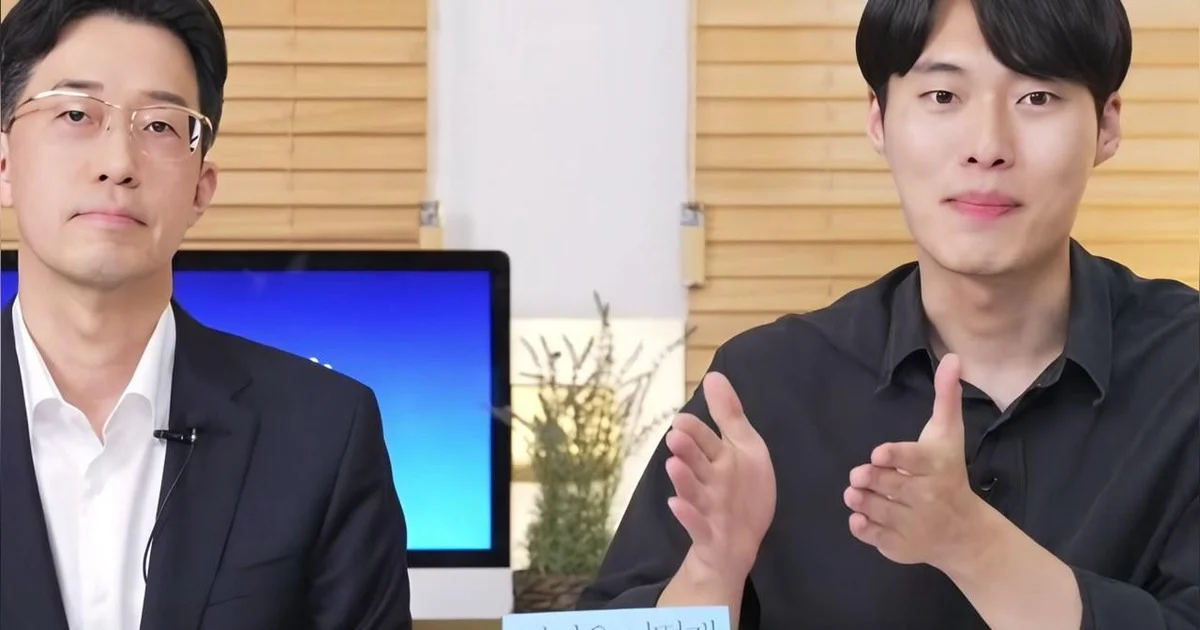
Professor Kim Yeong-ho of the Department of Otorhinolaryngology at Boramae Medical Center introduced various aspects and treatments for tinnitus through his book "How Does Tinnitus Disappear?". In the video, Professor Kim mentioned that tinnitus is a common symptom experienced by about 20% of the population, and that the forms of sound felt by patients are very diverse.
Subjective Tinnitus and Objective Tinnitus... "Patient expressions are very accurate"
Professor Kim Yeong-ho defined tinnitus as the phenomenon of perceiving sound in the absence of an external sound source. Professor Kim explained that expressions complained of by patients, such as wind sounds, metallic sounds, or electric wire sounds, are accurate enough to match the descriptions in a Japanese otorhinolaryngology textbook from 1962. The symptoms felt by patients are largely classified into two types.
These are 'subjective tinnitus,' which only the individual can feel, and 'objective tinnitus,' which others can hear through a stethoscope or other means. In the case of objective tinnitus, the spectrum is wide, such as hearing heartbeat sounds like pulsatile tinnitus. Professor Kim added that the discomfort and expressions patients feel regarding tinnitus reflect the actual symptoms very accurately.
"Difficult to find cause and no magic cure"... Connections to anemia, vascular diseases, etc. exist
Regarding the cause of tinnitus, Professor Kim explained that the cause is not revealed in all cases. While it is difficult to find a specific cause for a significant number of patients, there are cases where a specific cause is identified. For example, pulsatile tinnitus may appear in cases of anemia, and sounds may be heard due to muscle tremors near the ear, high blood pressure, or vascular diseases. In particular, he mentioned that chronic anemia caused by uterine fibroids can trigger tinnitus, in which case surgical treatment may be necessary to remove the cause.
Regarding treatment, he specified that "there is no magic cure for tinnitus." Just as cold medicine is a combination that improves symptoms rather than directly eliminating the virus, tinnitus treatment is also a method of improving symptoms, and no single drug exists that eliminates tinnitus itself. Therefore, he emphasized the importance of consulting an expert to take an approach suited to the individual patient.
Cognitive Behavioral Therapy and Sound Therapy... "The more you try not to notice it, the more you might think of it"
Treatments known to have high evidence in current clinical practice include cognitive behavioral therapy and sound therapy. Cognitive behavioral therapy is a method of changing negative thoughts and behaviors regarding tinnitus, and sound therapy is a method of reducing sensitivity to tinnitus through background noise. Professor Kim explained that in an environment that is too quiet, the tinnitus sound may actually feel louder, so a process to alleviate this is necessary.
Furthermore, regarding psychological factors, he mentioned the phenomenon where the more one tries not to pay attention to tinnitus, the more one becomes conscious of it. He explained that this is related to a psychological mechanism similar to the 'Belly Button Effect,' where the more one tries not to think of a specific object, the more it comes to mind. Professor Kim suggested that the process of managing one's mind so that the patient does not develop an obsession with tinnitus is an important part of treatment.
Related Articles

2026 Flu Outbreak Advisory Issued: Reasons for the Early Surge and Changed Vaccination Schedule
Omega-3 Intake and Cognitive Decline Paper: Flaws and Errors in Experimental Design
Golden Time for Severe Cardiovascular Patients in Gangwon: Responding with ECMO Procedures Within 60 Minutes
Wishes of a child undergoing dialysis after transplant: going to a swimming pool and traveling to Japan
Reasons to Manage Arteries, Veins, and Capillaries Separately and Recommended Ingredients
Dr. Lee Wang-jae explains biochemical mechanisms of Vitamin C for liver damage recovery and hangover relief
Precautions for Patients Taking Antiplatelet Drugs After Stent Insertion During Dental and Endoscopic Procedures
Three Principles of Wound Care: Key Steps are Rinsing with Running Water After Hemostasis and Maintaining a Moist Environment

"Do I have to sleep for 8 hours?" Sleep quality and cycles are more important than sleep duration
Berberine for Blood Sugar and Fatty Liver, Curcumin for Inflammation and Anticancer Effects
Processed Meat, High Fructose Corn Syrup, and Salted Seafood: Unexpected Foods That Create Cancer-Inducing Environments
Why it is difficult to conclude that post-meal drowsiness is caused by blood sugar spikes
Pancreatic Cancer 5-Year Survival Rate Stagnates at 10%... Potential for Paradigm Shift with Development of K-RAS Targeted Therapies

Do Diabetes Medications Damage Kidneys and Pancreas? An Endocrinology Professor Addresses Misconceptions About Drug Treatment
Saturated fats are not all the same... Comparing 15 fatty acids, Pentadecanoic acid outperforms DHA
MIND diet slows brain gray matter atrophy by 20% and delays brain aging by 2.5 years
Decreased Concentration and Digestive Issues at Thirty... The Director Ordered Tests for 'Personal Dietary Therapy'
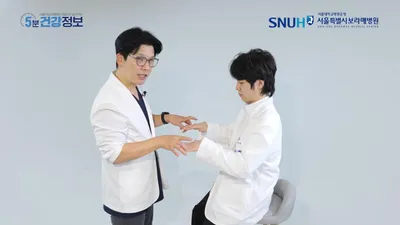
Suspected Symptoms of Carpal Tunnel, Cubital Tunnel, and Cervical Disc Based on Finger Numbness Location
Schizophrenic Patients and Families in the Film 'What Should We Have Done?': Analyzed by a Psychiatrist
Comments 0