
2026 Flu Outbreak Advisory Issued: Reasons for the Early Surge and Changed Vaccination Schedule
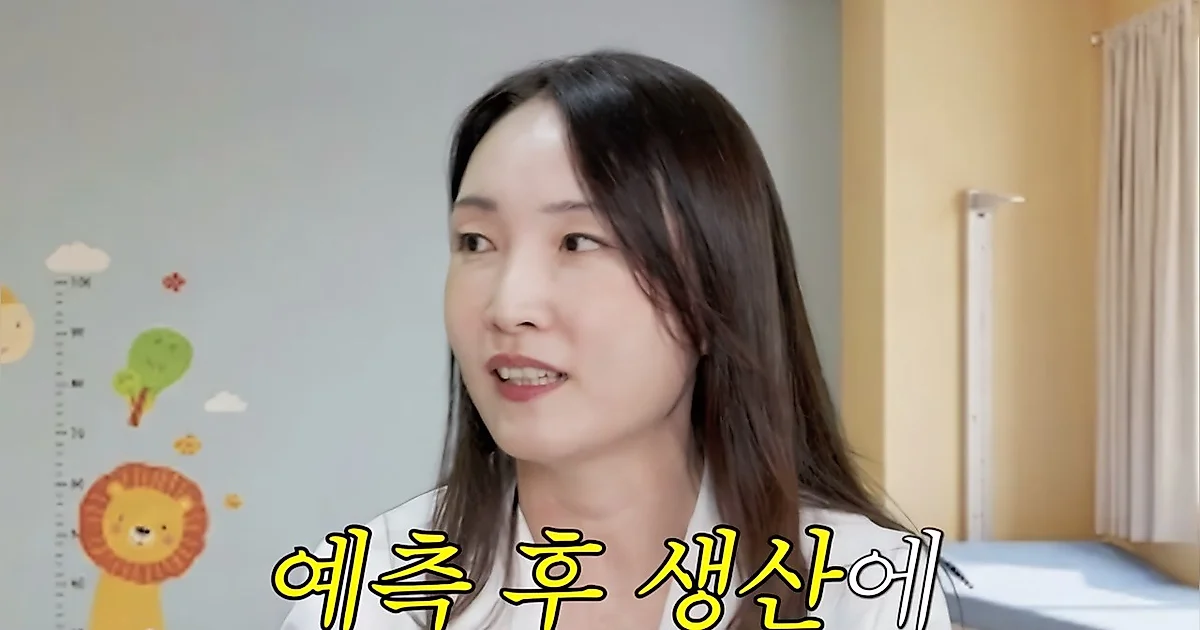
On September 11, 2026, a flu outbreak advisory was issued. According to a video from the 'Our Neighborhood Children's Hospital' channel, this year's flu outbreak is showing a pattern different from previous pre-pandemic patterns. Before the pandemic, the pattern repeatedly involved an advisory being issued in November or early December, with Type A influenza peaking between December and January, followed by Type B influenza spreading around March of the following year, but this year, the timing has been significantly advanced.
Causes of the Early Outbreak: Neighboring Countries' Trends and Strengthened Surveillance Systems
There are three main reasons why this year's flu outbreak has started exceptionally early. First is the situation in neighboring countries. Japan has already issued an outbreak advisory in week 34, and as the number of patients is increasing in southern China, the possibility of the virus being introduced through overseas travelers has been raised. Second is the September school reopening. In the crowded environment of schools, conditions have been created where children can share viruses with each other, leading to rapid transmission. Lastly, there is the change in the surveillance system of the Korea Disease Control and Prevention Agency. Since the number of sentinel surveillance clinics at the clinic level has been significantly expanded from the existing 300 to 800 this year, it has become possible to capture the outbreak situation more sensitively and quickly than in previous years. In fact, at the time of this issuance, the number of patients showed a figure nearly 2 to 3 times higher than at the previous issuance point.
The currently circulating virus has been identified mainly as Type A influenza (including H1N1). Fortunately, it is a virus included in the existing vaccine strains, and there appear to be no issues regarding resistance to treatments. Currently, the most patients are occurring in the elementary school age group between 7 and 12 years old, and seniors aged 65 and older account for 60% of the hospitalizations due to influenza.
Changed 2026 Flu Vaccination Schedule and Vaccine Supply Status
As the timing of the outbreak has moved forward, the government's free vaccination schedule has also been moved up from the original plan. The changed schedule by target group is as follows:
- Children aged 6 months to 14 years: For those requiring 2 doses, the date has changed from September 28 to September 21, and for those requiring 1 dose, it has also been changed from September 28 to September 21.
- Pregnant women: Vaccination is available from September 21.
- Seniors aged 75 and older: Moved forward from October 12 to October 6.
- Seniors aged 70–74: Changed from October 15 to October 12.
- Seniors aged 65–69: Changed from October 19 to October 15.
- Nursing hospitals/Nursing facilities: Vaccination is possible if they hold vaccine stock.
The video advises that due to vaccine supply issues, it is safe to check the stock availability at the respective hospital in advance before vaccination. Vaccines enter production after the virus outbreak is predicted, and it usually takes 5 to 6 months from production to approval and shipment. Additionally, the shelf life of the vaccine is one year, and last year's vaccine cannot be used this year. The government is working to prioritize the allocation of vaccines to priority targets such as children, seniors, and pregnant women, but it should also be considered that this may cause temporary difficulties in the supply of vaccines for paid vaccinations. Furthermore, it is a point to consider that vaccinating too early may result in being unable to prepare for a secondary outbreak that may occur later during the winter season.
What if you have already caught the flu? Vaccination timing and prevention rules
Many guardians are contemplating vaccination even if they have already experienced catching the flu. The video explains that since the trivalent vaccine has preventive effects against two Type A influenza strains and one Type B influenza strain, it is good to get vaccinated to prevent the remaining viruses even if one type has already been caught. However, vaccination should be done after the physical condition has completely recovered. It is recommended to get vaccinated when the fever has subsided and the condition has improved enough to allow for daily activities.
Personal hygiene is as important as vaccination. It is important to follow cough etiquette, wear a mask in crowded places, and wash hands thoroughly. Maintaining the habit of refraining from visiting public places and isolating oneself when sick is the key to protecting the health of the family and the community.
Related Articles

Omega-3 Intake and Cognitive Decline Paper: Flaws and Errors in Experimental Design

Golden Time for Severe Cardiovascular Patients in Gangwon: Responding with ECMO Procedures Within 60 Minutes

Wishes of a child undergoing dialysis after transplant: going to a swimming pool and traveling to Japan

Reasons to Manage Arteries, Veins, and Capillaries Separately and Recommended Ingredients

Dr. Lee Wang-jae explains biochemical mechanisms of Vitamin C for liver damage recovery and hangover relief
Precautions for Patients Taking Antiplatelet Drugs After Stent Insertion During Dental and Endoscopic Procedures

Three Principles of Wound Care: Key Steps are Rinsing with Running Water After Hemostasis and Maintaining a Moist Environment

"Do I have to sleep for 8 hours?" Sleep quality and cycles are more important than sleep duration

Berberine for Blood Sugar and Fatty Liver, Curcumin for Inflammation and Anticancer Effects

Processed Meat, High Fructose Corn Syrup, and Salted Seafood: Unexpected Foods That Create Cancer-Inducing Environments
Why it is difficult to conclude that post-meal drowsiness is caused by blood sugar spikes

Pancreatic Cancer 5-Year Survival Rate Stagnates at 10%... Potential for Paradigm Shift with Development of K-RAS Targeted Therapies

Do Diabetes Medications Damage Kidneys and Pancreas? An Endocrinology Professor Addresses Misconceptions About Drug Treatment

Saturated fats are not all the same... Comparing 15 fatty acids, Pentadecanoic acid outperforms DHA

MIND diet slows brain gray matter atrophy by 20% and delays brain aging by 2.5 years

Decreased Concentration and Digestive Issues at Thirty... The Director Ordered Tests for 'Personal Dietary Therapy'

Suspected Symptoms of Carpal Tunnel, Cubital Tunnel, and Cervical Disc Based on Finger Numbness Location
Schizophrenic Patients and Families in the Film 'What Should We Have Done?': Analyzed by a Psychiatrist

Increase in ADHD Diagnoses: Likely Due to 'Interest and Sensitivity' Rather Than Pharmaceutical Conspiracy

Comments 0