
Swiss monthly salary is 11 million won, but a meal costs 100,000 won... The reason behind the murderous cost of living
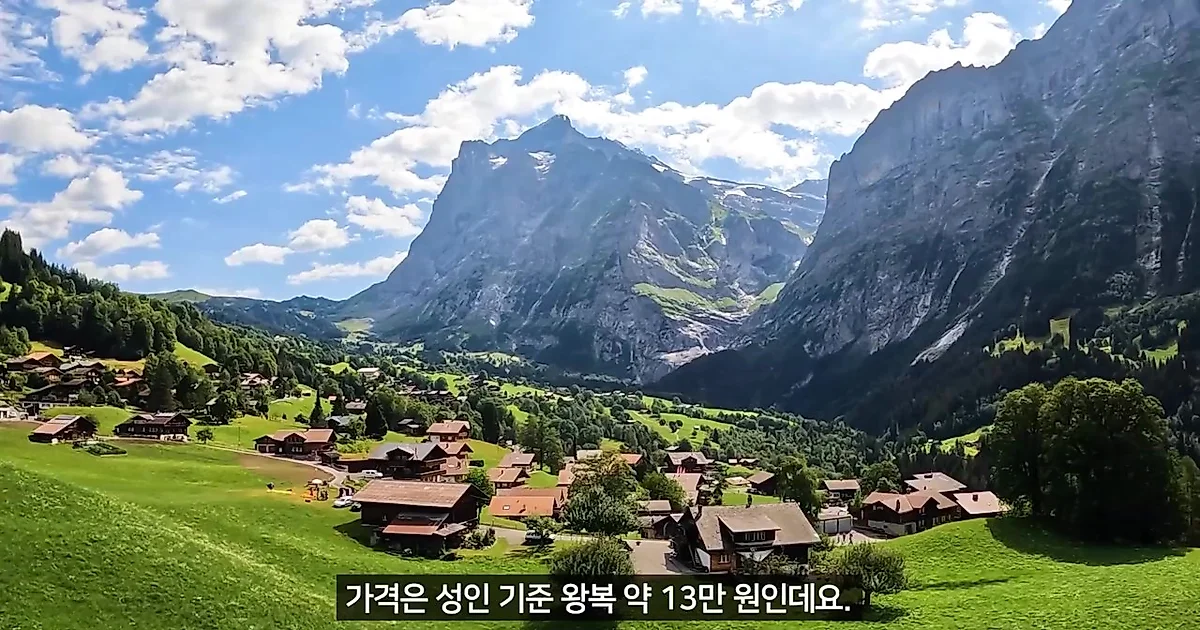
There is a country where the average monthly salary exceeds 11 million won, but a single meal at a regular restaurant fluctuates around 100,000 won. That country is Switzerland. According to a video by Walk Travel, Switzerland has a structure where service costs and the cost of living have risen sharply, just as much as the high wages.
High-value industries chosen by a resource-poor nation and the domino effect of labor costs
The first reason explaining Switzerland's high cost of living is the absence of natural resources. The video explains that while Switzerland embraces breathtaking natural beauty, it is like a "giant stone mountain" with almost no resources such as oil or iron ore underground. Lacking land for farming or natural resources, Switzerland grew by focusing on high-value-added industries that rely on human technical skills, such as watches, finance, and pharmaceuticals.
In this process, as companies earned massive profits, workers' wages also soared. The problem arises here. A "domino structure" was formed where high wage levels lead to an increase in service costs. Because hourly wages are high, the labor costs of all service industries, such as restaurants and cafes, are reflected in the prices, creating an environment where even a regular meal requires paying a high cost.
The paradox of cost created by neutral status and the rugged Alps terrain
The second cause is Switzerland's political and economic specialty, its status as a "permanently neutral country." Whenever the global economy is unstable or a war crisis occurs, funds from all over the world flock to Switzerland, which is perceived as the safest vault. This demand has resulted in increasing the value of the Swiss currency, which becomes a factor that increases the burden of exchange rates and prices for foreign travelers.
The third is the rugged mountain terrain of the Alps. This terrain, which offers wonderful scenery to travelers, is paradoxically a major culprit in raising prices. This is because the construction and maintenance costs for hanging cable cars 2,000m above ground and digging tunnels through cliffs occur at astronomical levels. The video mentions that the cost of a one-way gondola ticket to climb one mountain in Switzerland is comparable to the public transportation cost used for an entire month in South Korea (about 670,000 won), explaining that these infrastructure costs are passed directly onto train and gondola fares.
From Grindelwald to Lucerne, the value of scenery offsetting the cost
The presenter in the video experienced this cost of living firsthand while staying in a "chalet," a traditional Swiss house. The cost for one night in a chalet in Grindelwald is around 700,000 won, and they also spent about 3 million won for a 4-night stay via Airbnb. Moving costs are also significant. The one-way fare for the "Luzern–Interlaken Express" train traveling from Interlaken Ost to Lucerne is about 55,000 won. This figure is about five times the cost of traveling from Seoul to Daejeon.
However, there was a reason for the high cost. Inside the train running through the harsh rocky mountains, there were wide seat intervals, power outlets, tables, and even a bistro car where one could enjoy drinks. In particular, the emerald waves of Lake Brienz and the magnificent scenery of the Alps unfolding through the panoramic large glass windows were described as Switzerland's unique charm that makes travelers continue their journey even after paying high costs.
The presenter introduced the journey of traveling through Switzerland by leaving Interlaken and arriving in the wealthy city of Lucerne, which condenses medieval romance, and continuing the cruise trip on a modern motorboat capable of carrying up to 1,100 people.
Related Articles
Bernina Express: An Alpine Traverse Passing Through 55 Tunnels and 196 Bridges Over 144km
Day 6 of the TMB in the Alps: Breathtaking Swiss Scenery Amidst Heavy Rain

The Twist of an 80-Year-Old Mother: Why She Became the Center of a 30-Day Europe Camping Trip
Why Booking an Official Shuttle is Essential When Visiting Moraine Lake, Canada

Camper Van Transport from Busan to Slovenia Takes Two Months Due to War Aftermath

Oh Hyeon-gyu's Life in Türkiye, Daily Routine Spent in a Beşiktaş Apartment in Istanbul

A city of 500,000 with not even 1m of land connection to the outside... Iquitos in the middle of the Amazon

Tour du Mont Blanc Day 8: Finishing Trekking with a Cable Car Chance Due to Bad Weather Forecast for the Next Day
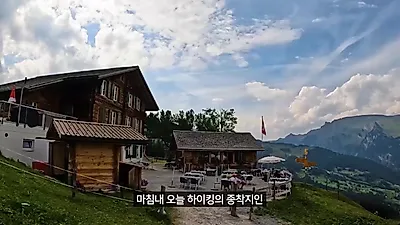
Swiss Rent 3.5 Million Won and Hourly Wage 50,000 Won... 3 Reasons for the Lethal Cost of Living

La Rinconada at 5,100m Altitude: Why People Endure Mercury Poisoning and Altitude Sickness for Gold
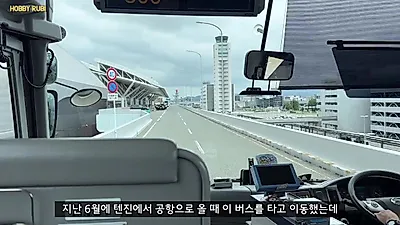
500 Yen from Fukuoka Airport to Tenjin: Check the New Direct Bus Route Launched in April
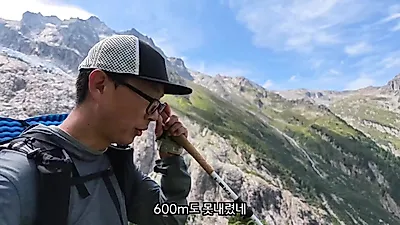
TMB Arpette Variant: Dangerous Section Where a 6–7m Fall Occurred
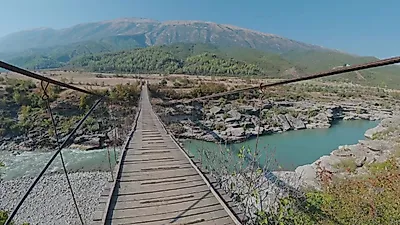
From Crossing the Albanian Border to Free Camping: The Local Reality Encountered via Motorhome
Dhaka, Bangladesh: Vibrant Daily Life Created by Commercial Districts and High Population Density Beside Railway Tracks

KwakTube visits Miami, the setting for GTA 6, comparing in-game locations with real-life views during a pilgrimage
A Day Trip to Tsushima
Problems You May Face While Traveling
Checklist for a Successful First Business Trip
Packing for a Trip: Be Bold and Leave Unnecessary Items Behind!
Comments 0