
La Rinconada at 5,100m Altitude: Why People Endure Mercury Poisoning and Altitude Sickness for Gold
The world's highest city, La Rinconada in Peru, attracts tens of thousands of people seeking gold despite extreme conditions like mercury poisoning and severe…
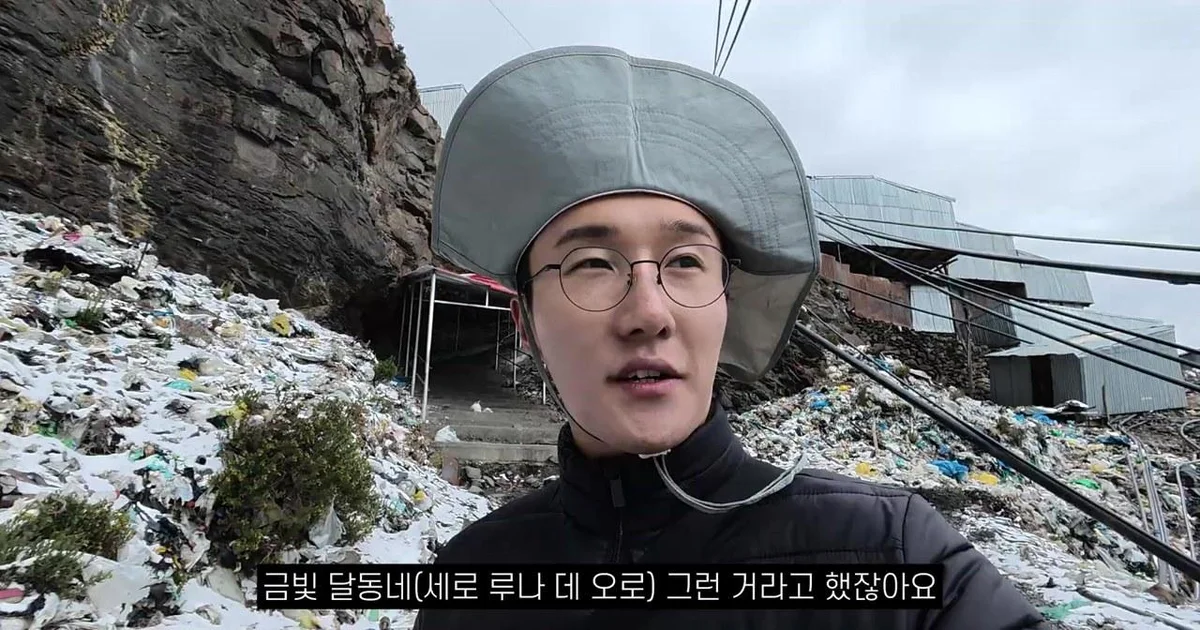
At an altitude of 5,100m, there is a city that is the highest in the world, a height equivalent to stacking more than 2,000 apartments. It is La Rinconada in Peru. This place, higher than the clouds, is an extreme environment where human life is nearly impossible, yet tens of thousands of people gather here to find 'pieces of gold' that can change their lives. According to a video from the YouTube channel Seojaero 36, the people here are exposed to the risk of mercury poisoning due to the mercury used in the gold extraction process, and they live while fighting altitude sickness that lasts for years.
The Harsh Survival Environment Faced by People Fascinated by Gold
The environment in La Rinconada is extremely miserable. The video describes the living conditions here in detail. In shelters that are barely enough to block the wind with a few thin metal sheets, which are difficult to even call houses, people fight sub-zero temperatures all year round. There are not even proper boilers, so they must sleep curled up. The sanitary conditions are also poor, requiring people to step through groundwater used for excrement, and trash is piled up throughout the city.
The economic structure is also very unstable. Miners work under a system called 'Quchoereo'. This is a method where they work for nearly a month without receiving a single penny in wages, and their earnings are determined by the amount of gold they can mine during the last few days. If they are lucky and find gold, they make money, but if no gold is found, it is a dangerous structure where they must starve for a month. This unstable life has made the city rough, transforming it into a lawless city where robberies and murders targeting gold and cash occur incessantly.
The Process of Adapting to High Altitudes via Juliaca at 3,800m Altitude
The journey to La Rinconada is by no means easy. The participant in the video transfers planes at Lima Airport in Peru and moves to Juliaca at an altitude of 3,800m. Juliaca serves as an intermediate stop to adapt the body to high altitudes before going to La Rinconada. At an altitude of 3,800m, the participant experienced altitude sickness symptoms, such as a rapid heartbeat and a sensation that their vision momentarily widened. The oxygen deficiency is so palpable that even while staying still, one must automatically take a deep breath every 2 to 3 minutes.
Life in high-altitude areas requires preparation for survival as well as physical discomfort. To alleviate altitude sickness symptoms, the participant took altitude sickness medication every morning and evening. The video explains that in ultra-high altitude areas like 5,100m, symptoms can appear as the body reacts by craving oxygen due to oxygen deficiency, regardless of physical strength or age. Additionally, the temperature in La Rinconada is about 10 degrees lower than in Juliaca and lacks insulation, making preparation of cold-weather clothing essential. The participant prepared for the cold by purchasing a lightweight padded jacket worth 45,000 won at a local shopping mall.
A Grueling Journey Continuing Amidst Oxygen Deficiency and Cold
The road from Juliaca to La Rinconada takes about 3 to 4 hours by bus. As the altitude rises, the atmospheric pressure drops to about half that of sea level, and an environment where even trees struggle to grow continues. While moving, the participant witnessed perennial snow while simultaneously facing the miserable scenery of trash being dumped right next to the road. The danger of high-altitude areas is felt realistically, as vomiting bags are provided inside the bus for passengers who may vomit due to altitude sickness.
Life here is a continuous series of choices. La Rinconada lacks water supply and sewage facilities and has no heating. The infrastructure is so poor that one must pay an additional fee to use a radiator at the accommodation. The participant had to pay an additional 7,000 won at the accommodation to rent a radiator to endure the cold. Nevertheless, the reason people continue to climb to this high place is the hope that a single small stone they mine could turn their lives around.
Comments 0