
Natural Pollinators: Using Honeybee Buzzing to Predict Yields
Researchers found that more bee buzzing around clover in spring correlated with more seeds in fall, suggesting buzz recordings may help predict yields.
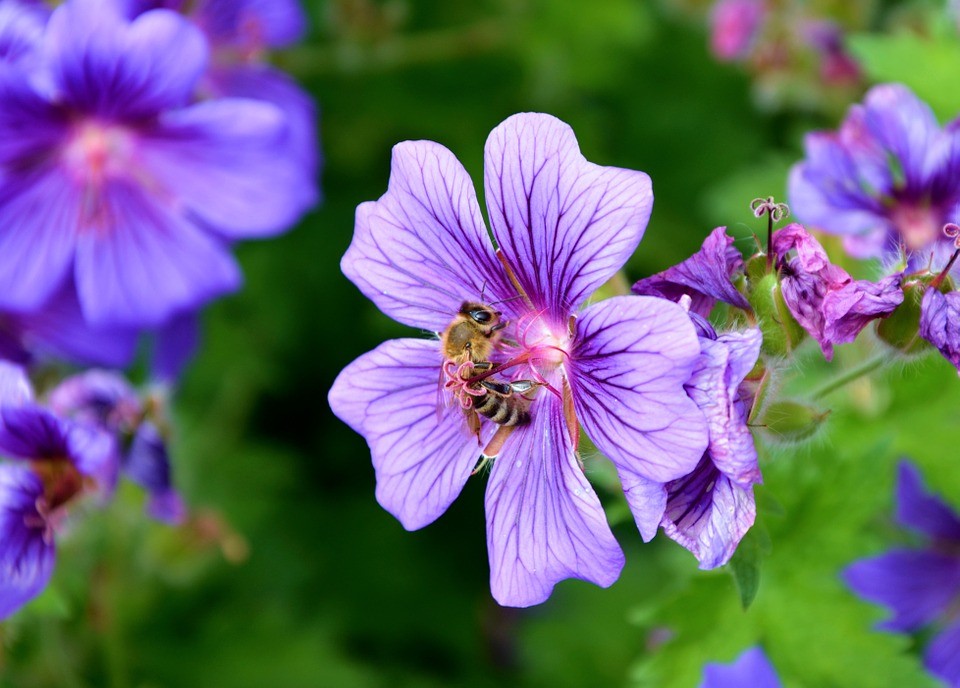
Let’s take a look at the secrets hidden in the buzzing of honeybees.
Buzz Sounds
Candi Galen, a biology professor at the University of Missouri, launched the study. To attract bumblebees in central Colorado, Galen installed microphones among the clover they favor. The idea was that recording and listening to the bees buzzing as they flew from flower to flower would make it possible to determine their numbers. The research team recorded audio from the microphones installed among the clover for a week and then analyzed the audio files. Using computer processing, the team was able to determine the number of buzzing sounds made by the bees. The bees’ buzzing also revealed such characteristics as their size and the approximate length of their tongues.
The key question was whether the bees were actually pollinating or merely making sounds as they passed by. Because the study focused on clover, it may not be closely relevant to farmers who grow fruit or vegetables. Galen therefore returned to Colorado and counted the clover seeds to see how successfully the bees had pollinated the plants. The results were quite promising. Galen explained that clover patches with more buzzing in the spring produced more seeds in the fall, while areas with less buzzing produced fewer seeds.
Galen said the study’s findings are not yet official. Nevertheless, they are certainly good news for orchard farmers who open their greenhouses to honeybees.
FAM타임스 명의로 발행된 기사를 모아 제공하는 매체 공용 저자 페이지입니다.



Comments 0