
Yoriwang Biryong Chef TV Japchae Recipe: How to Complete It in 10 Minutes Using Only One Wok Without Stir-Frying Vegetables
A method for easily making Japchae, a labor-intensive holiday dish, using only one wok has been revealed.
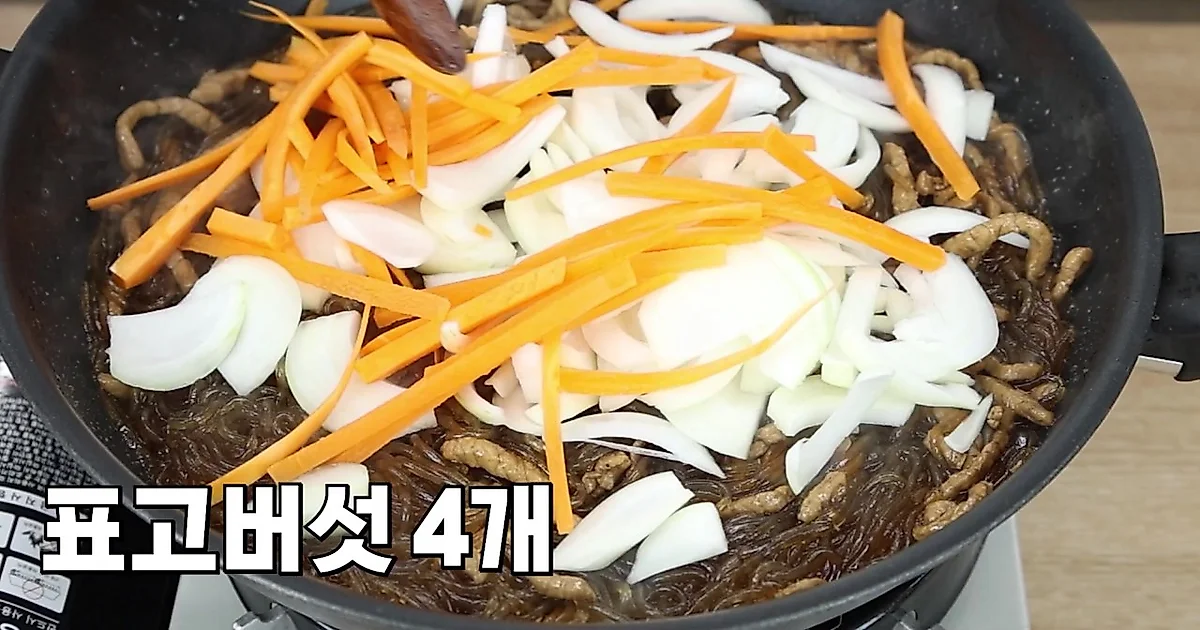
A method for easily making Japchae, a labor-intensive holiday dish, using only one wok has been revealed. According to a video from 'Yoriwang Biryong Chef TV', large quantities of Japchae can be quickly completed while maintaining the chewiness of the glass noodles without stir-frying each vegetable separately.
The secret to simmering glass noodles in seasoning instead of boiling them
The core of this recipe is simmering the glass noodles directly in the seasoning without a separate boiling process. First, prepare 500g of cut glass noodles by soaking them in cold water for 1 hour. While the noodles are soaking, season 400g of pork with 1.5 spoons of dark soy sauce, 2 spoons of mirin, and 0.5 spoons of pepper.
Blanch 300g of spinach in boiling water for 30 seconds, rinse in cold water, and squeeze out the moisture thoroughly. Season it in advance with 3 pinches of salt and 1.5 spoons of sesame oil. Prepare 3 onions and 120g of carrots as well.
The cooking process is as follows. Pour cooking oil into a wok and stir-fry the seasoned meat first. Once the meat is cooked, add 750ml of water, 160ml of dark soy sauce, and 10 spoons of sugar and bring to a boil. At this time, an additional 7 spoons of cooking oil are added; the video explains that this cooking oil plays an important role in coating the soaked glass noodles to preserve their chewiness.
When the seasoning liquid boils, add the soaked glass noodles and simmer over high heat while stirring until the liquid is reduced by half. Once the seasoning has permeated into the noodles, add the onions and carrots and stir-fry quickly until only one or two spoons of liquid remain to evaporate the moisture.
Achieving a chewy texture with cooking oil and sesame oil
In the final step, it is important to turn off the heat. With the heat turned off, add the pre-seasoned spinach, sprinkle 6 spoons of sesame oil and sesame seeds, and mix using the residual heat. According to the video, the reason for adding plenty of sesame oil is that since the vegetables were not stir-fried separately in oil, the sesame oil coats all the ingredients to prevent moisture from evaporating.
If made this way, the glass noodles do not easily become bloated, and the chewy texture is maintained even when stored in the refrigerator. Using brown sugar instead of white sugar can produce a deep and appetizing color like the kind seen in restaurants.
Comments 0