
How Can We Save Endangered Lemurs?
Climate change and logging threaten Madagascar’s lemurs with habitat loss and starvation, prompting bamboo planting and irrigation efforts.
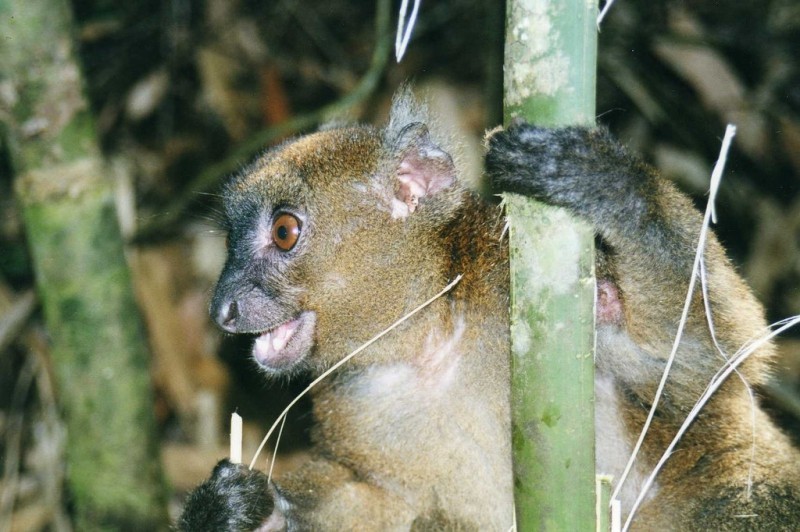
But these lemurs face two dangers at once. Not only are declining populations pushing them toward extinction, but a lack of food is also putting them at risk of starvation.
Lemurs were once commonly found in Madagascar. Due to the effects of climate change, however, most of the lemur population began living only in the eastern part of the island. The largest lemur species is the bamboo lemur, which was believed to be extinct until it was rediscovered in 1972.
Lemurs mainly feed on protein-rich bamboo. During the dry season, which lasts from August through November, they survive by eating tougher, less nutritious bamboo stalks.
However, as climate change delayed the arrival of Madagascar’s rainy season by several months, lemur populations began to decline. This is because the delayed rains prevent them from eating the nutrient-rich bamboo that is their main food source. As a result, they survive solely on bamboo stalks with little nutritional value, and eating them for long periods can damage their teeth.
In addition to climate change, large-scale logging has also contributed substantially to the decline in lemur populations. When logging destroys forests, lemurs lose their natural habitat and are left with nowhere to live.
Researchers are currently working with local residents to plant bamboo and install artificial irrigation channels in preparation for the rainy season, in an effort to provide lemurs with enough food.
These findings on the plight of lemurs were published in an academic journal.
FAM타임스 명의로 발행된 기사를 모아 제공하는 매체 공용 저자 페이지입니다.


Comments 0