
The World of Canids
Canids range from domestic dogs to wolves and foxes, sharing social behaviors, distinctive traits, and varying conservation status.
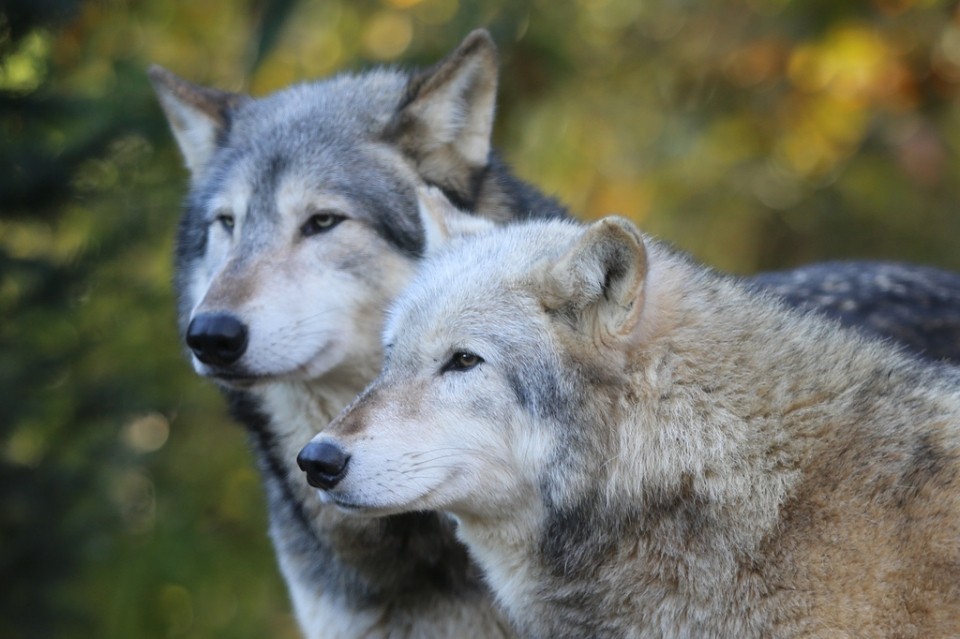
According to the Integrated Taxonomic Information System (ITIS), the different dog breeds we love, including bulldogs and Yorkshire terriers, are indeed related to wolves and are more distant relatives of other canids such as coyotes, foxes, and jackals. Canids are the most widely distributed members of the order Carnivora, with 34 species across 14 genera. Each species has different physical characteristics. The domesticated dog is a mammal in the family Canidae of the order Carnivora, and its scientific name is Canis lupus familiaris.
Canids mostly inhabit the Northern Hemisphere and live on every continent except Antarctica. Their main habitats include forests, mountains, grasslands, deserts, savannas, and human homes.
The smallest canid is the fennec fox, which stands about 24 centimeters tall and weighs 1 kilogram.
By contrast, the largest canid is the gray wolf, which measures more than 200 centimeters in body length and weighs over 65 kilograms.
As is widely known, canids are social animals. They prefer to live in packs and mark their territory with their scent. This is why pet dogs sniff around and urine-mark in various places when taken for walks.
Dogs are commonly thought to be color-blind, but according to a recent study conducted in Italy, they are not completely color-blind; rather, they have red-green color blindness. This may be because canids primarily hunted at dusk and dawn and therefore did not need to distinguish between other colors. It is consequently better not to give pet dogs red or green toys.
Another study found that pet dogs use their facial expressions to communicate with their owners.
Some canids are endangered. Endangered species include the short-eared dog, maned wolf, Darwin's fox, African wild dog, and red wolf, among others.
FAM타임스 명의로 발행된 기사를 모아 제공하는 매체 공용 저자 페이지입니다.


Comments 0