
New York Mice Evolved to Eat Urban Food
New York’s urban mice show 19 genetic variations linked to adapting to human food waste, supporting the “cheeseburger hypothesis.”
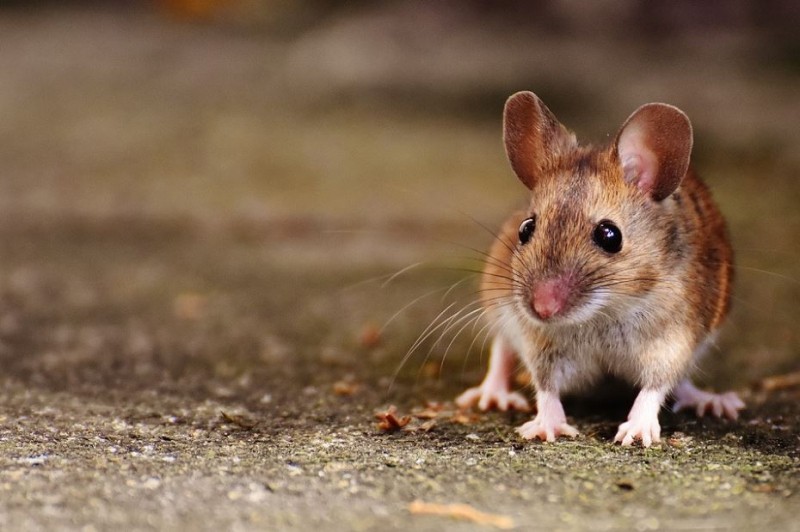
Stephen Harris, an evolutionary biologist at SUNY Purchase College, found that most white-footed mice were killed or driven away as New York City was developed. Despite early efforts to eradicate them, however, mice now abound in the city’s parks and green spaces, Inside Science reported.
Harris named the mice’s ability to adapt to eating food waste the “cheeseburger hypothesis.” To test the hypothesis, Harris and his team set traps for white-footed mice in three New York City parks and three green spaces 60 miles from the city. To analyze the mice’s genomes, they cut off the tails of eight mice from each location. The team found substantial genetic differences between urban and rural mice.
Harris noted that when members of a population become separated because of migration, random genetic variations arise. The 19 genetic variations spread rapidly among urban mice, and the findings indicated that they gave the mice several advantages as they adapted to their new habitat.
Meanwhile, despite the enormous New York rat population drawing attention through the photo of a rat dragging pizza, the National Association of Realtors reported that Chicago—not New York—is the metropolitan area with the most rats.
FAM타임스 명의로 발행된 기사를 모아 제공하는 매체 공용 저자 페이지입니다.


Comments 0