
Fire Ants Cause Stress in Lizards
Experiments suggest invasive fire ants disrupt stress regulation in fence lizards, potentially causing allostatic overload.
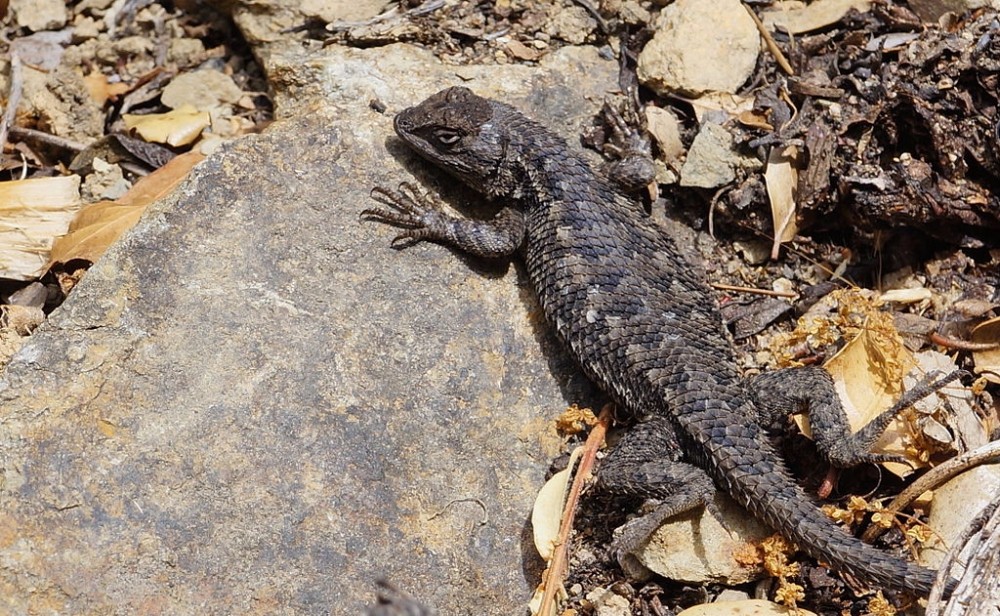
[FAM Times reporter Jennylyn Gianan] A study has found that fire ants cause stress in lizards.
Tracy Langkilde, a biology professor at Pennsylvania State University in the United States, and her colleagues conducted two experiments to examine in detail how fire ant invasions and environmental factors stress fence lizards.
In the first experiment, the lizards were briefly exposed to fire ants while changes in the amount of the hormone corticosterone in their blood samples were measured.
The results showed that the lizards' stress increased, but there was insufficient evidence that fire ants alone caused the increase because other environmental factors also had to be considered.
“The direct-exposure experiment shows that fire ants are a stressor for lizards, but it does not rule out other environmental factors that may contribute to stress. So we decided to control other environmental factors as much as possible and determine whether fire ants were indeed the main cause of the elevated stress,” Langkilde said.
Therefore, in the second experiment, the researchers provided two environments that mimicked fence lizard habitats. One was a habitat invaded by fire ants, while the other had no fire ants.
Langkilde and the researchers found that when fire ants caused stress in fence lizards, the corticosterone levels of fence lizards living with fire ants were lower than those of fence lizards living in an environment without fire ants.
Langkilde explained, “This result could mean that the lizards were not stressed by the fire ants, but it more likely indicates that something had gone wrong with the lizards' stress-regulation system.”
Langkilde explained that the decline in corticosterone levels among fence lizards directly exposed to fire ants was due to allostatic overload, a hormonal response in which extreme stress damages the nervous system and halts further production of stress hormones.
Langkilde emphasized, “The environment is becoming increasingly unstable because of advances in human technology, highway development, and invasions by other species. We need to understand the effects of invaders, but we also need to understand the effects of other environmental stressors. At present, we cannot predict the long-term effects of these stressors.”
Jennylyn Gianan fam1@pcss.co.kr
FAM타임스 명의로 발행된 기사를 모아 제공하는 매체 공용 저자 페이지입니다.
Comments 0