
New Feathers Reveal What Birds Ate During the Winter
Carbon compounds in bobolink feathers reveal winter diets, including increased late-winter rice intake and pesticide exposure.
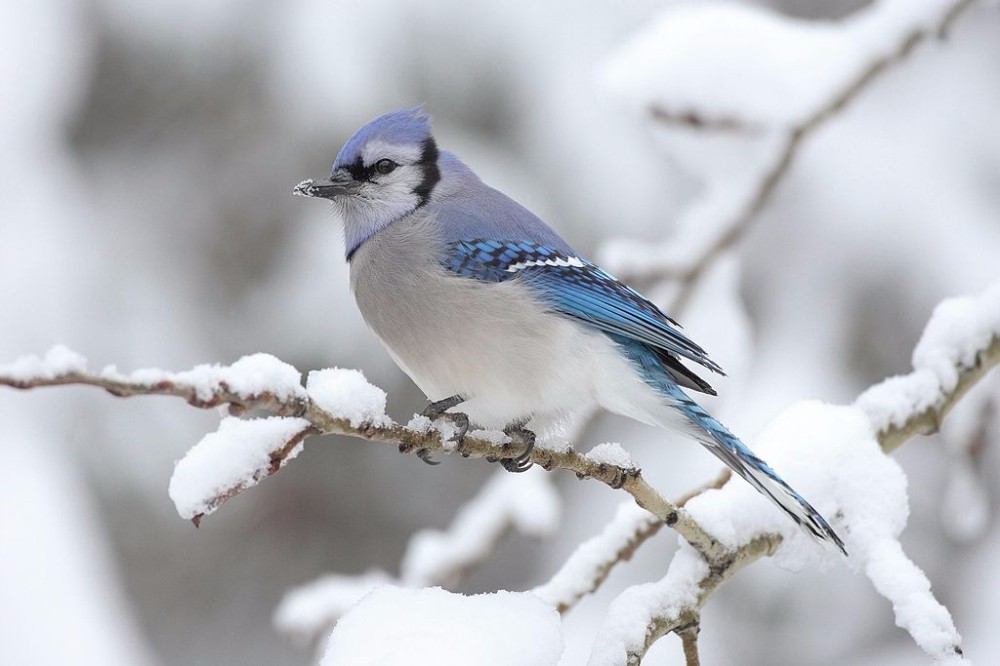
[FAM Times reporter Lee Kyung-han] A study has found that new feathers can reveal what birds consumed during the winter.
American ornithologists studied what bobolinks eat as they grow. Bobolinks are migratory birds that feed before flying south for the winter, and their population is currently declining.
The researchers analyzed carbon compounds in bobolink feathers. This makes it possible to determine which plants the birds consumed during the winter.
Rosalind Renfrew of the environmental conservation organization Vermont Center for Ecostudies and her colleagues collected feathers from bobolinks during winter. Some came from rice-producing regions and grasslands, while others came from North American bobolink breeding grounds.
The samples revealed differences in the birds' diets. For most of the winter, birds living in North America had diets with a high proportion of foods other than rice, but their rice consumption increased in late winter as the rice harvest approached.
Rice provides the calories the birds need to fly north again, but it also exposes them to harmful pesticides.
John McCracken of Bird Studies Canada said, "As bobolink populations continue to decline, Renfrew and her colleagues used cutting-edge isotope analysis techniques to assess the diets of bobolinks wintering in South America."
Meanwhile, the researchers concluded that rice negatively affects bobolinks because it has low nutritional value and exposes them to pesticides.
Reporter Lee Kyung-han fam1@pcss.co.kr
FAM타임스 명의로 발행된 기사를 모아 제공하는 매체 공용 저자 페이지입니다.

Comments 0