
Asteroid That Wiped Out the Dinosaurs Struck the Worst Possible Place
A 15-kilometer asteroid struck gypsum-rich shallows in the Caribbean, releasing sulfur that prolonged cooling and worsened the mass extinction.
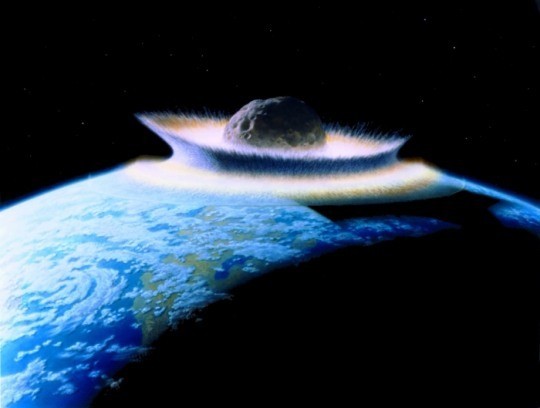
[FamTimes reporter Jennylyn Gianan] The mass extinction of the dinosaurs is believed to have been caused by a massive, 15-kilometer-wide meteorite striking Earth’s surface 65 million years ago.
As vast amounts of dust from the impact entered the atmosphere, Earth plunged into an “ice age.” In the aftermath, at least 75% of living species became extinct.
For the documentary program “The Day the Dinosaurs Died,” Ben Garrod is working with scientists to study the enormous crater that remains in the Caribbean.
The research team he leads claimed that the asteroid hurtled toward the worst possible place on Earth.
According to Garrod, the impact site was covered by a shallow sea at the time, while nearby soil was saturated with the mineral gypsum. When the asteroid struck, enormous amounts of sulfur were released into the atmosphere, prolonging the ice age even further.
The research team speculated that many species would have survived if the asteroid had struck somewhere other than the Caribbean Sea.
Garrod said, “Here in the Caribbean is where the unexpected twist occurred. This site explains not only the asteroid’s size and the scale of the explosion, but also why the dinosaurs became extinct.”
He added, “An impact in the nearby Atlantic or Pacific Ocean would have meant far less vaporized rock containing gypsum, which was deadly to life. There would have been fewer clouds and sufficient sunlight at the time. But after the meteorite impact, the cold weather depleted the dinosaurs’ food on land within a week, driving them toward the sea, and with nothing to eat anywhere on Earth, they had almost no chance of survival.”
Jennylyn Gianan fam1@pcss.co.kr
FAM타임스 명의로 발행된 기사를 모아 제공하는 매체 공용 저자 페이지입니다.


Comments 0