
Zookeepers inspect Hadong bamboo groves to prepare food for pandas Rui and Hui
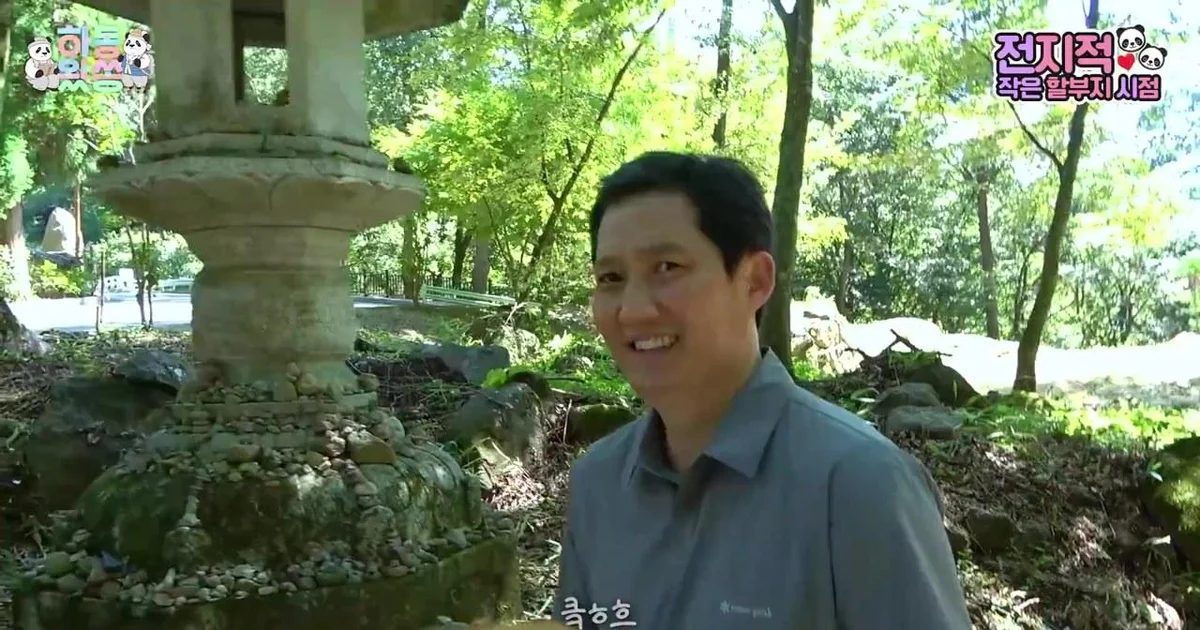
Everland panda keepers visited bamboo groves in Hadong, South Gyeongsang Province, to check the food quality for pandas Rui and Hui. According to a video released on September 12, 2026, on the YouTube channel 'Talking Zoo Ppupa TV', the keepers followed a schedule to personally check the condition of the bamboo preferred by the pandas and tour the harvesting areas.
'Seoljuk' captures pandas' taste buds; visit Hadong to check food quality
The keepers visited the bamboo groves in Hadong to ensure the quality of the bamboo that Rui and Hui will eat. In the video, the keeper mentioned that the pandas interact with the keepers intelligently, such as watching the keeper's reaction when being fed or sometimes not opening their mouths even though they could eat. Especially in cases like Hui, where food intake is not always smooth, the keepers perform handovers while closely monitoring the pandas' condition. The process of checking how the pandas' condition differs between yesterday and today is one of the important tasks for the keepers.
One of the main purposes of this visit was to check the condition of the bamboo called 'seoljuk'. In the past, when Ai Bao and Le Bao first arrived, the operation used species such as Moso bamboo, Song bamboo, and Wang bamboo, but changes occurred after a keeper discovered seoljuk on-site and confirmed the pandas' preference. It was confirmed that the pandas eat seoljuk much better than the triple-layered bamboo they previously ate, and it was explained that the preference of the pandas is high enough that operating with only seoljuk, which focuses on stems and leaves, is possible for about a year.
The keeper mentioned that the current weight of Rui and Hui is about 10kg less than the keepers, and emphasized that securing top-quality bamboo is more important than anything else for the pandas' health. In particular, as Rui and Hui are scheduled to return to China around this coming October, efforts continued to secure sufficient amounts of high-quality bamboo before their departure so they can eat well and stay healthy during the winter.
Risks in clean areas without pesticides: caution regarding snakes and earthworms
Field situations occurring during the bamboo harvesting process were also shared. Since the bamboo groves in Hadong are clean areas where no pesticides are used, many wild animals inhabit them. The video mentioned the sight of wild animals digging the ground to catch earthworms, along with situations where snakes appear between bamboo bundles. The keeper reported that field work is not easy, mentioning that screams were heard when a snake came out of the bamboo storage room.
The keeper expressed that the way the pandas look for bamboo resembles the appearance of wild animals wandering through a forest. On-site, the pandas' consumption patterns change depending on the length or condition of the bamboo; sometimes they only eat specific parts, and during the winter, they even request bamboo through specific requirements. This meticulous management is intended to help the pandas maintain optimal nutritional status.
Tea ceremony experience and relaxation capturing the tranquility of Hadong
After finishing the bamboo inspection, the group participated in a tea ceremony experience where they could feel the tranquility of Hadong. The keepers had a calm time drinking Hadong tea. The video captures the process of brewing tea along with observing the characteristics of Hadong tea. Through the process of brewing tea using water boiled to 60 degrees Celsius, the keepers had a moment to calm their minds during the journey to provide healthy food for the pandas.
Related Articles
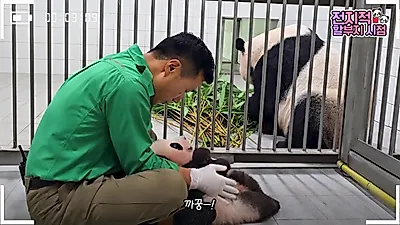
Everland Panda Shu Bao, Name Confirmed as 'Bright Treasure Like Dawn'
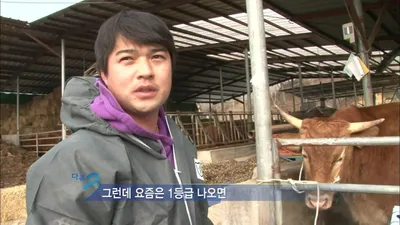
Hanwoo farms in Hongcheon, Gangwon Province, struggle as soaring feed costs lead to the disposal of 20 cows
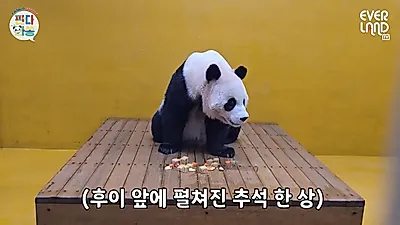
Rui Bao practicing eating by herself... arm muscles are still soft
Legendary Coconut Crabs: First Domestic Reveal of Larvae Wearing Shells

Hallasan Mountain crows prefer ramen over meat

Kang-jun, the dog helping out at the hair salon, shows clever habits like squeezing shampoo and picking up trash

Best friends in a mountain village at 800m altitude: The life of Guk-hwa, a companion dog of 14 years, and Lee Bong-woo

Genius dog Hoya shows amazing intelligence by opening the refrigerator and even bringing wet wipes

7 puppies rescued from an abandoned box; Bonghwa and Jjokku each find new families
Hoppang's family on Hwangsan Island, Ganghwado, exercises in a custom playground made from recycled materials

Naju Scholar Geun-ok and Abandoned Dog Sani's Snowy Mountain Date

"Even beasts need to eat"... A grandmother's heart caring for hungry baby animals
Yeoju Country House Couple Lives with 8 Pets, Including Horses from Gyeongju and a Meerkat
Tiger Forest the size of 6 soccer fields; Baekdu Mountain tiger diet consists of chicken and beef
Anseong Fishing Site's Retriever Nureongi Performs Everything from Coffee Delivery to Water Quality Management
The Seok-bong Family of Jirisan Mountain Forms Special Bonds by Taking in Four Abandoned Dogs
The life of a naturalist living with 9 dogs at the summit of a mountain in Goseong, Gangwon Province

The reason why Hallasan Mountain crows prefer cup noodles over meat

"Dog snacks cost 50,000 won, daughter's snacks cost 5,000 won"... The story of a father who moved 7 times in 5 years

Comments 0