
Wonju Hanji Theme Park: Experiencing the Full Process of Hanji, from Mulberry Bark to Making Hanji Keyrings
Wonju Hanji Theme Park offers visitors a comprehensive experience of Hanji, covering its history, exhibitions…
There is a space where one can experience the production process and artistic value of Hanji, a traditional paper, all in one place. According to a video from the Culture Portal, Wonju Hanji Theme Park provides various contents related to Hanji, from its history to exhibitions, direct paper-making experiences, and craft activities, offering a special experience to visitors.
From Mulberry Tree to Paper: The Birth Process of Hanji
Hanji is an Oriental paper that has developed its own unique production technology based on paper technology introduced from China. The reason the Great Dharani Sutra of Immaculate and Pure Light from the Unified Silla era could be preserved for over a thousand years is thanks to the excellent preservation properties of Hanji. The main material of Hanji is mulberry bark, and numerous processes are required for its production.
According to traditional methods, first, mulberry trees are harvested, steamed, and then the bark is peeled off. After that, they are soaked in cold water and the process of crushing (haesae) is repeated to remove impurities and break down fibers. Paper is made through a method called 'oebal-tteugi' (single-bowl paper making), where four sheets may be made simultaneously when one sheet is being scooped. The paper made this way is completed after draining the moisture and drying each sheet in the sunlight.
Meeting the Artistry and Texture of Hanji through Exhibitions and Experiences
Inside the theme park, various exhibition spaces utilizing the characteristics of Hanji are prepared. In the 'Forest of Paper' space, the color of the lanterns changes according to the passage of time, creating a unique atmosphere. In the special exhibition on the 2nd floor, 'So What If It Spreads, So What If It Seeps In', the depth of ink wash painting created by the material characteristics of Hanji's absorbency and spreading is shown through the works of two artists, Yoo Jun and Lee Seon-bok. Additionally, an exhibition of mulberry paper dolls made while wishing for peaceful reunification can also be viewed.
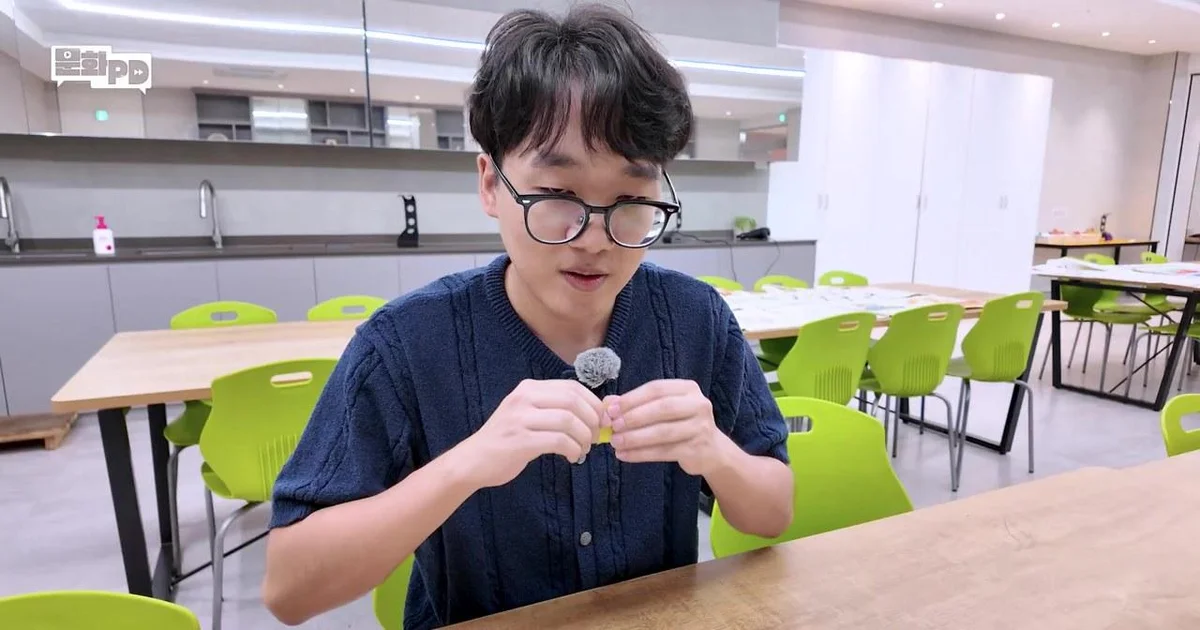
Hands-on experience programs are also operated. Visitors can experience a rustling texture and sound different from ordinary paper by tearing Hanji with their hands. Through the process of tearing Hanji and applying glue to create shapes, they can make teddy bear keyrings, or they can make their own Hanji through 'sunji-tteugi' (making plain paper) using a Hanji sieve, or 'munyangji-tteugi' (making patterned paper) by adding patterns.
In the outdoor space, a park is created where one can feel a tranquil atmosphere, and during the annual Hanji Festival period, numerous Hanji lanterns are installed along the stairs, creating a magnificent spectacle of subtle light.

Comments 0