
[Simple Cooking] How to Boil Deliciously Chewy, Springy Octopus... Boiling Times, Cleaning Methods, and More
Octopus cleaning, two boiling methods and times, odor-reducing additions, storage, and a simple gochujang-based sauce.
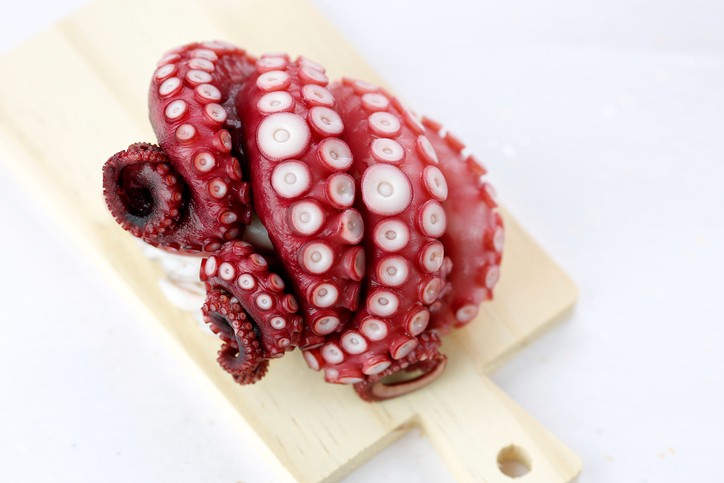
Rediscovering Octopus
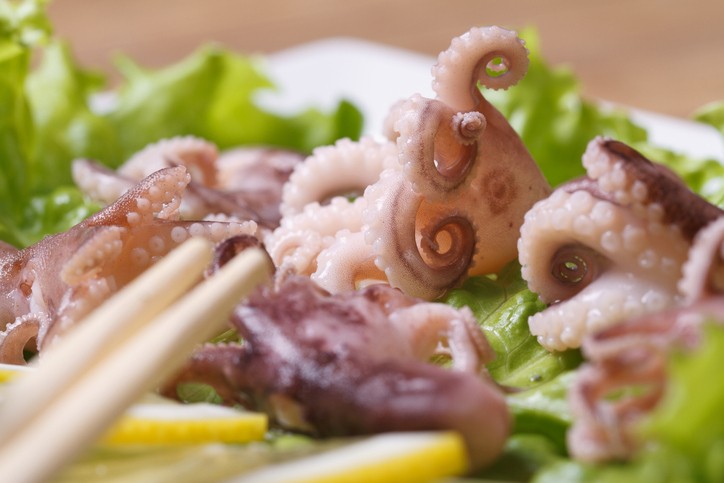
2. Remove the entrails from the head and clean out the ink sac as well.
3. Sprinkle flour on the octopus and rub it to remove impurities from the suckers. Repeat this process 2–3 times and rinse thoroughly with water.
4. Alternatively, rub the octopus vigorously with salt to clean it.
5. Or, place frozen octopus in the refrigerator for 24 hours to thaw.
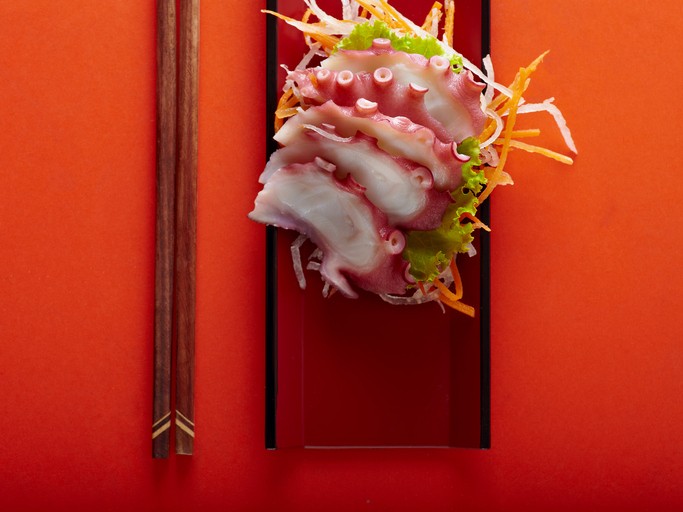
If you want to enjoy octopus like a steamed dish, place thick slices of onion at the bottom of a pot, pour enough water to cover the onions, place the octopus on top, and boil over medium heat for about 15 to 20 minutes.
For blanched octopus dishes, fill a pot with enough water to submerge the octopus, add radish, wait for the water to boil vigorously, then add the octopus and boil for 7 to 15 minutes.
To remove odors when boiling octopus, you can add △coffee △doenjang (soybean paste) △lemon △basil △soju △bay leaves, etc. The octopus is done when you can easily pierce the thickest part of the legs or the head with chopsticks. When storing boiled octopus, it is best to keep it in an airtight container in the refrigerator and consume it within 2–3 days.
A simple seasoning for octopus sukhoe is to mix △3 spoons of gochujang (red chili paste) △half a spoon of sugar △half a spoon of sesame oil △half a spoon of minced garlic with half a cup of water (based on a paper cup).
[Fam Times = Reporter Kim Yu-rye]
![[Simple Dinner Recommendation] Chewy Braised Lotus Root and Sumi's Side Dishes Braised Burdock Root Recipes](https://img.famtimes.co.kr/famtimes/2026/09/193a43c2-fc47-483e-9f7b-71b9ef96730c-f31634e9-thumb.webp)

Comments 0