
What Your Macaw Wants to Tell You
Macaws need social interaction, ample space, consistent routines, patient training and owners prepared for their loud calls.
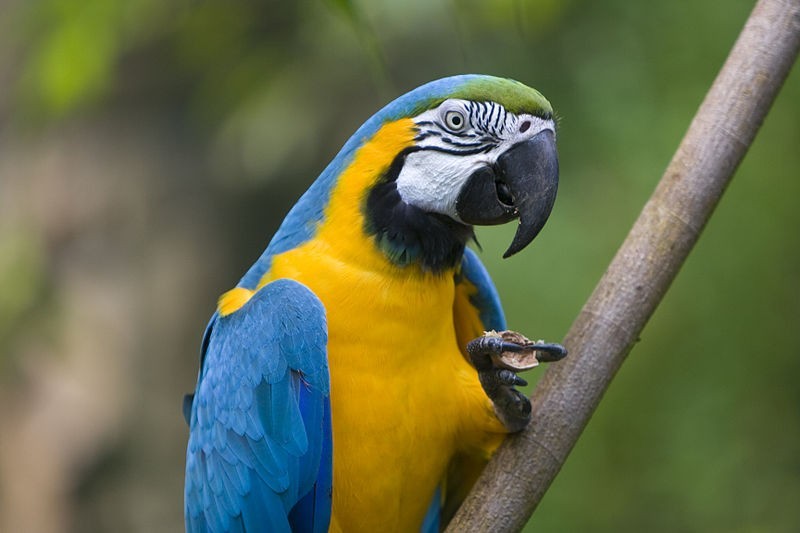
I’m going to be loud
Macaws live in flocks in the tropical rainforests of Central America, South America, Mexico and elsewhere. Brittany Gibson of Reader’s Digest explains, “A macaw’s loud squawks are a way to communicate easily with other birds.” You should therefore be prepared for it to make a lot of noise at home as well.
I want to be around people
“Macaws are social, intelligent and playful birds,” Gibson says. Because they live in flocks and lead social lives, you need enough time to interact with your macaw. Macaws can adapt easily to new environments, especially when socialized at a young age. Taking one to an animal hospital to have its claws and wings trimmed or introducing it to new people can help it adjust so that it does not feel afraid whenever it encounters something unfamiliar.
I need plenty of space
Macaws are the world’s largest parrots, weighing 2–4 pounds (0.8–1.8 kg) and growing up to 3.5 feet (1 m) long. Their wings can grow up to 60 inches. They therefore need a spacious cage where they can rest comfortably. Macaws also have a habit of chewing, so the cage must be made from durable material. The same applies to their toys.
You need to build trust with me
Do not force your macaw to bond with you right away. It needs time to adjust to and become familiar with its new environment. Avoid frequently changing its daily routine. “Feeding, cleaning and playtime should be consistent from day to day,” Gibson advises.
Be patient
Teaching a macaw tricks takes time and patience. Teach only one trick at a time. Never hit it for failing to perform a trick you have taught it. Gibson warns, “Hitting does not work. It will only destroy the trust it has in you.”
FAM타임스 명의로 발행된 기사를 모아 제공하는 매체 공용 저자 페이지입니다.



Comments 0