Traditional Korean makgeolli can be brewed at home with rice and nuruk, while varieties and brewing customs differ across regions.
The method of making makgeolli varies greatly depending on the region and local customs. This regional variation exists because the way makgeolli is enjoyed differs slightly from one area to another.
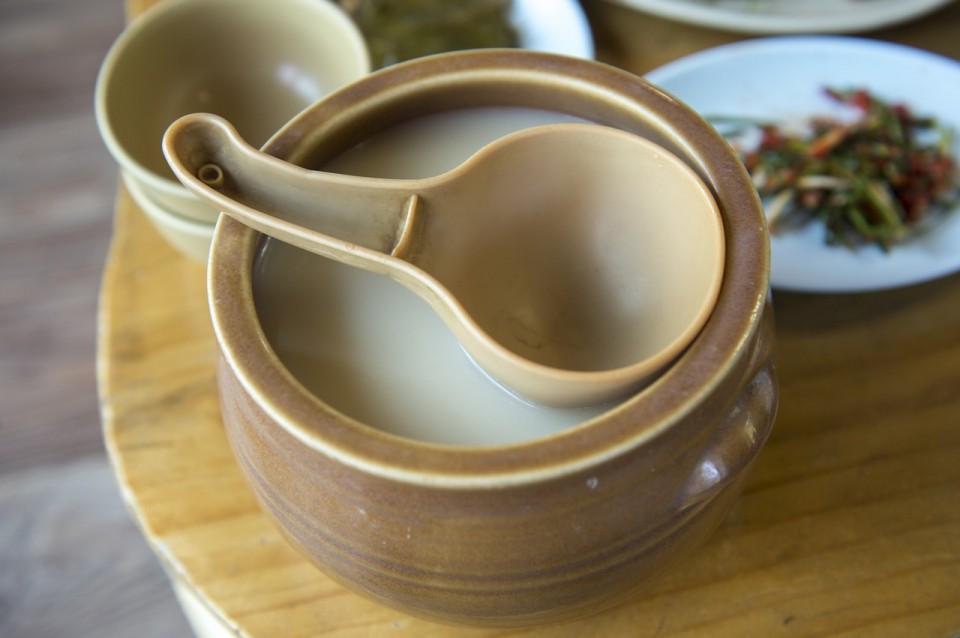
▲Makgeolli is a traditional Korean liquor (Photo = ⓒPixabay)
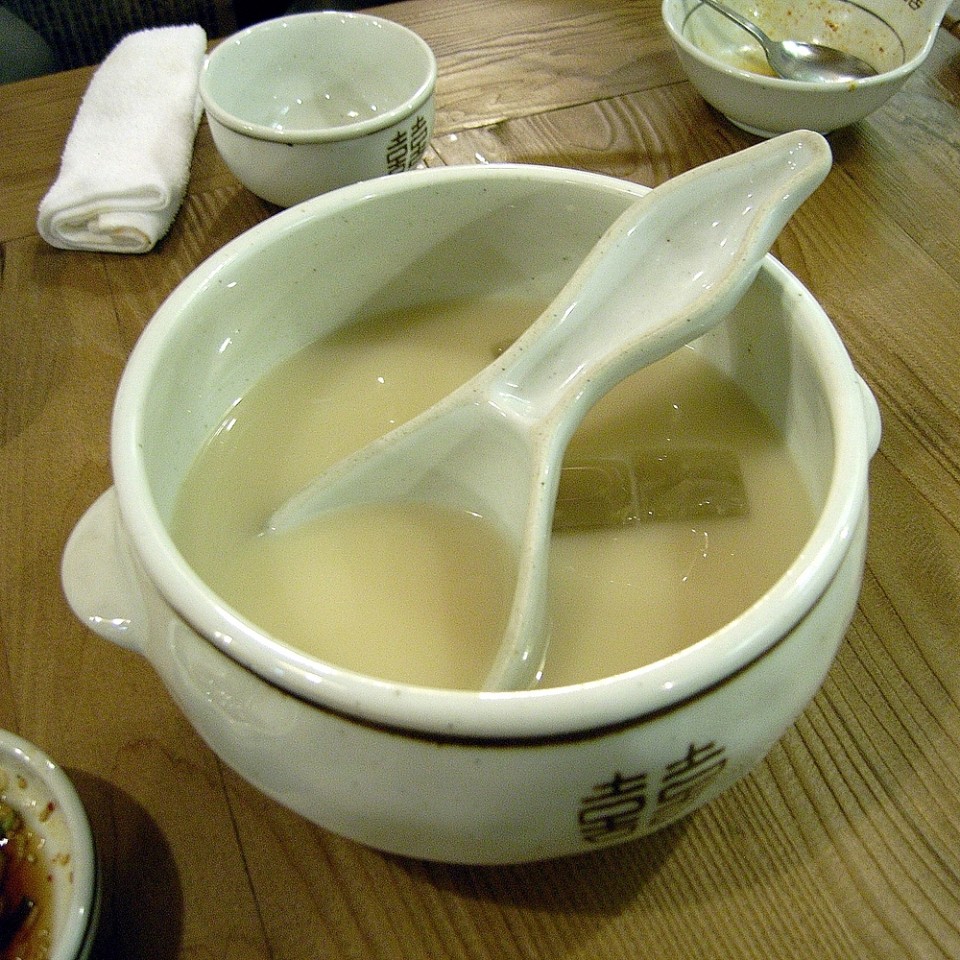
Makgeolli is a traditional Korean liquor. It is often used synonymously with 'takju.' Compared to clear cheongju or yakju, it is cloudy and murky, and its alcohol content tends to be low. Now, let's take a closer look at how to make this delicious makgeolli.
All you need is nuruk and yeast: the basic 'how to make makgeolli'
First, let's look at the basic method for making makgeolli. You can easily make makgeolli at home if you have the ingredients. For the main ingredients, you will need 1.5kg of rice, 500g of nuruk, and 1 tablespoon of yeast.
Soak the washed rice in water for about 2 hours, then remove the moisture using a strainer. Put the nuruk and yeast in a bowl, mix well, pour in 1 cup of water, and let it soak for about 2 hours. Use a steamer to steam the drained rice for 40 to 60 minutes, then let it sit for 10 minutes to make godubap (steamed rice). Spread the godubap out on a tray and stir it while letting it cool sufficiently.
▲Ingredients such as nuruk, yeast, and godubap are required when making makgeolli (Photo = ⓒWikimedia Commons)
In a jar sterilized with boiling water, add the godubap, soaked nuruk and yeast, and 4L of water, then mix well. After mixing the ingredients, cover the mouth of the jar with hanji (traditional Korean paper) or a clean cloth and tie it with a string. Leave it in a place where the indoor temperature is maintained between 15–25°C to ferment. During this time, ensure the bottom temperature does not rise.
After fermentation begins, stir the makgeolli once or twice a day for the first 3 to 4 days. Once 5 days have passed since the start of fermentation, the bubbles will boil vigorously and fermentation will proceed even without stirring. After 7 to 12 days, when the bubbles stop and the top becomes clear, strain the residue using a strainer or cotton cloth. Mix the strained makgeolli with an equal amount of cold water to dilute the alcohol content, then age it in the refrigerator for 3 to 4 days. This completes the easy method for making makgeolli.
Makgeolli varies by region, which can be a unique charm of traveling
Modern brewing methods include methods that do not steam the rice, while enzyme preparations may also be added to increase yield. The raw-rice fermentation method uses powdered raw rice, a crude enzyme preparation (improved nuruk), water, and yeast. Puffed rice may also be used and is mainly added during the main fermentation stage.
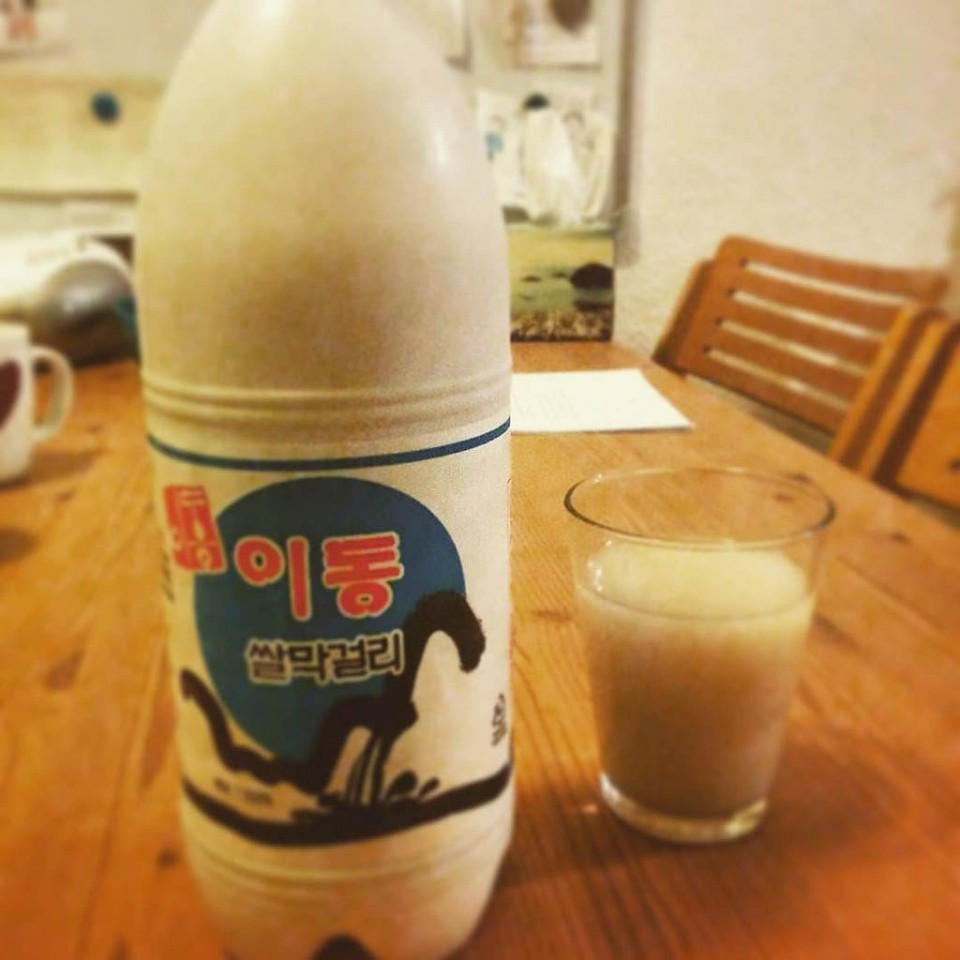
▲You can find representative makgeolli when visiting each region (Photo = ⓒFlickr)
Makgeolli differs by region; there are various types such as Songmyeongseop Makgeolli, Jipyeong Saeng Makgeolli, Pocheon Idong Makgeolli, Incheon Saeng Soseongju, Gongju Bamdongsan Chestnut Makgeolli, and Gurye Sangdong Cornelian Cherry Makgeolli. Tasting the special makgeolli of the regions you visit while traveling domestically can be a unique way to travel.
[FamTimes = Reporter Hong Seung-beom]
#makgeolli#traditional Korean alcohol#brewing method#nuruk#regional varieties

![[Simple Dinner Recommendation] Chewy Braised Lotus Root and Sumi's Side Dishes Braised Burdock Root Recipes](https://img.famtimes.co.kr/famtimes/2026/09/193a43c2-fc47-483e-9f7b-71b9ef96730c-f31634e9-thumb.webp)

Comments 0