
Global Warming Increases Giant Panda Extinction Risk
Rising habitat temperatures threaten giant pandas, prompting calls for cool artificial habitats while human activity remains the main concern.
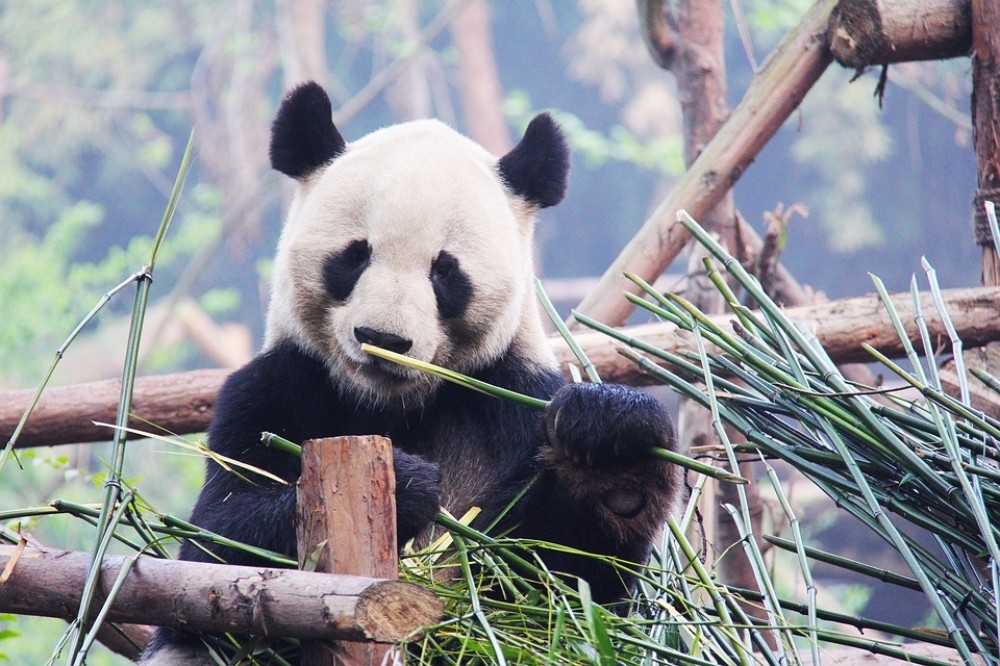
[FamTimes reporter Lee Kyung-han] A study has found that rising temperatures caused by global warming are increasing the risk of extinction for China's giant pandas.
According to research, the highest temperature pandas can tolerate is known to be 25 degrees Celsius. Researchers found that temperatures in areas within panda habitats have risen to as high as 30 degrees Celsius over the past 40 years.
Hot weather can adversely affect giant pandas' reproductive ability and the health of their cubs, while also causing dehydration and metabolic problems.
Pandas move to cooler mountainous areas to escape the heat, but food is difficult to find there.
Researchers argued that, as a last resort to prevent the potential extinction of giant pandas, artificial networks should be established to provide cool habitats for them.
Examples include quiet environments with cool streams. Artificial habitats could protect pandas from the effects associated with warming.
In addition, artificial habitats could use the natural features of each forest environment to improve comfort, such as by creating cool spaces that shelter the animals from the sun and allow heat to escape.
Providing resting areas for adult pandas and cubs, and planting more trees and bamboo in certain areas, would offer additional food and sleeping places while allowing pandas to move more easily across vast areas.
However, giant panda expert Kati Loeffler said, "The main problem is related to legal or illegal human activity, including the effects of dams, roads and mines, as well as the presence of livestock nearby."
Reporter Lee Kyung-han fam1@pcss.co.kr
FAM타임스 명의로 발행된 기사를 모아 제공하는 매체 공용 저자 페이지입니다.


Comments 0