
Hitting a dog's nose or confining them in tight spaces can trigger aggression
Improper training methods, such as physical punishment or isolation, can cause emotional issues and secondary behavioral problems like aggression in dogs.
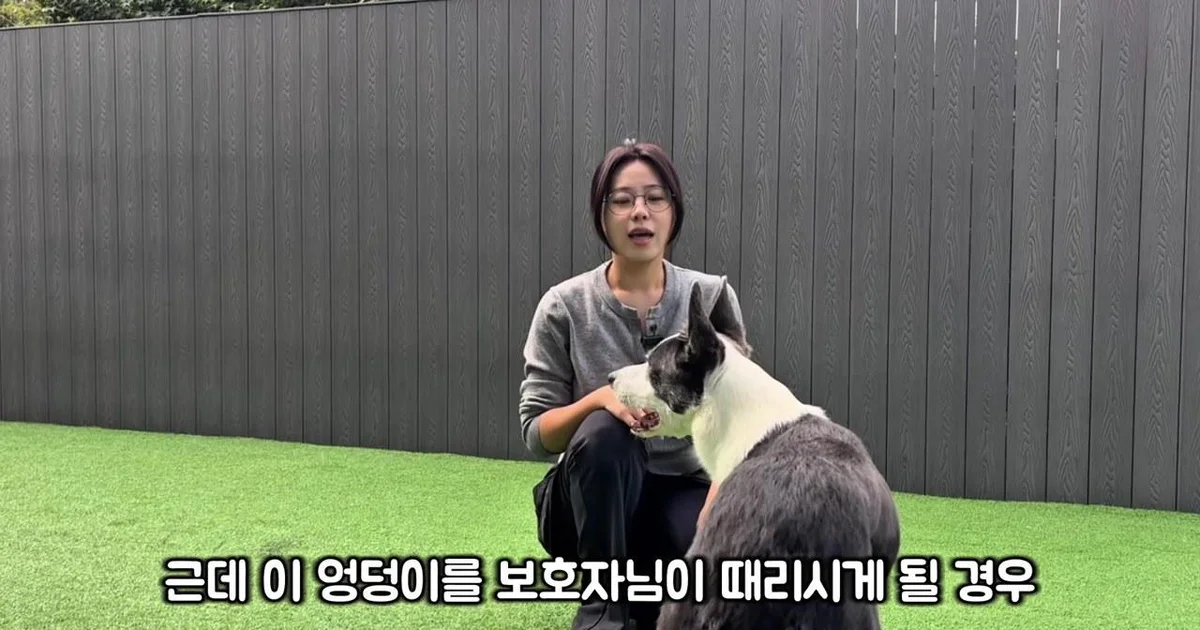
While raising a pet dog, situations arise where incorrect behaviors must be corrected. In these moments, caution is required as certain disciplinary methods performed unintentionally by guardians can cause emotional problems in the pet or lead to secondary behavioral issues such as aggression. According to a video by pet behavior correction expert Ahn Jeong-min from the Gaeranghae TV - Dog Trainer Cho Jae-ho channel, eight incorrect disciplinary behaviors that guardians should avoid have been identified.
Defensive aggression caused by physical striking and the use of tools
The act of a guardian hitting a dog's nose may temporarily stop the behavior, but it makes the dog fear human strength. Consequently, defensive behavior may emerge when the guardian attempts physical contact near the face. Hitting the hip area also increases distrust toward the guardian, and if the ankle area is hit by mistake, it can cause physical abnormalities.
Corporal punishment using tools is also a risk factor. Acts such as using a flyswatter or a rolled-up newspaper can cause mental issues in dogs. In particular, every time a guardian holds a long tool, there is a possibility that the dog will instantaneously activate a defense mechanism and exhibit aggressive behavior. Additionally, the act of grabbing a dog by the scruff of the neck can instill extreme fear and trauma in small dogs. This pain and fear are likely to lead to biting or aggression in everyday situations such as hygiene management, hospital visits, or grooming.
Negative impacts of food restriction and spatial isolation
Methods that attempt to control behavior using food are not effective. This is because dogs do not realize their mistakes simply because they are not given kibble. Rather, it can harm their health by causing problems with essential nutrition, and side effects such as increased obsession with or possessiveness over food may appear.
Disciplinary methods that confine a dog in a room or a narrow space cause extreme stress and can trigger separation anxiety. If a situation requires separation, it is recommended that the guardian chooses to leave the space rather than confining the dog in a tight spot. Furthermore, the act of scolding a dog by making them lift their front paws into an "attention" posture can negatively affect the spine and joints and induce anxiety and stress. Disciplining by making emotional appeals in a loud voice also results in only increasing resistance in the dog.
Attitude for proper discipline
Incorrect disciplinary methods destroy the relationship of trust between the guardian and the dog and serve as a cause for triggering aggression. When a dog makes a mistake, instead of physical striking or coercive methods, an attitude of slowly teaching them through healthy rules is necessary.


Comments 0