
How Awareness of Environmental Protection Affects Wildlife
WWF highlights rising wildlife crime, while veterinarian Karen Becker advises limiting palm oil use, responsible tourism and wildlife-friendly products.
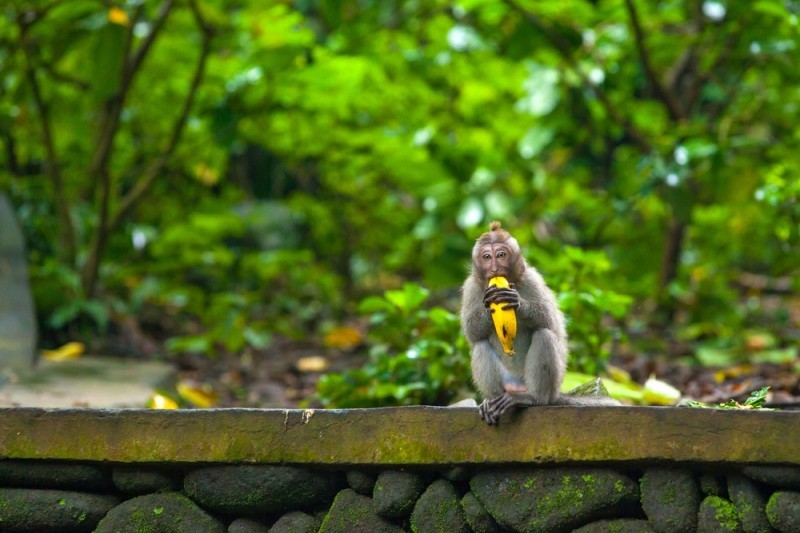
“Species beloved around the world are being slaughtered by international criminal networks. Driven by greed for certain animal parts and products made from them, the wildlife black market has reached a scale comparable to the illegal weapons and drug markets. Wildlife trafficking is as serious as human trafficking and the trafficking of weapons and drugs,” WWF explained.
Accordingly, December 4 was designated Wildlife Conservation Day to raise awareness of the crisis facing wildlife around the world and the environmental impact of wildlife poaching and trafficking. Citizens, activists, private companies and governments work to curb demand for products made from endangered species and eradicate trafficking.
Veterinarian Dr. Karen Becker introduced ways individuals can contribute to animal welfare beyond working through international organizations such as WWF.
1. Limit the use of palm oil to protect forests and the animals that inhabit them. In Southeast Asia, green areas equivalent to 300 soccer fields are destroyed every hour to build palm oil plantations to meet demand for palm oil.
2. Travel responsibly in tourist destinations known for their wildlife. A strong sense of responsibility among tourists is essential to protecting and preserving wildlife.
3. Be mindful of whether the products you use harm wildlife. Alternatives such as recycled bags can be used.
FAM타임스 명의로 발행된 기사를 모아 제공하는 매체 공용 저자 페이지입니다.
Comments 0