
Bat Wingbeats Contribute to Aerodynamics
Research on long-eared bats’ fast, precise flight could inspire safer, faster transportation and advances in human-made flight.
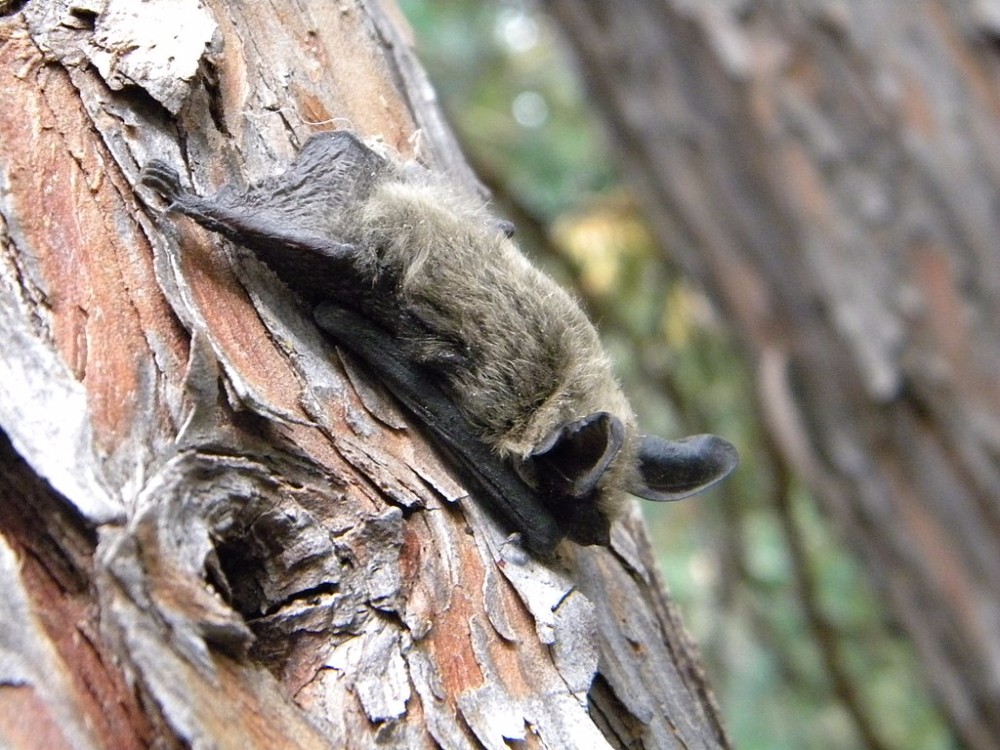
[Fam Times reporter Lee Kyung-han] Bats are fast-flying animals. They can attain high speeds because of their aerodynamic body structure.
Biologists in Lund, Sweden, studied long-eared bats. The central aim was to determine whether the research could influence future technological innovations that may contribute to human-made flight. Based on the findings, humans could develop safer and faster means of transportation.
Explaining the findings, researcher Per Henningsson of the Department of Biology said, “Bats fly very fast. Because they fly at high speeds with great precision, they must account for wind, turbulence, leaves, and other surrounding obstacles.”
The research team led by Henningsson studied the precision with which bats catch and eat insects in midair.
Henningsson said, “Insect-eating bats must be particularly maneuverable because they catch their prey in flight. Insects may be flying or resting on leaves or tree trunks. But in any case, bats can catch them.”
The team expressed hope that studying animals’ biological functions could help humans learn as they seek to surpass their own capabilities through technology.
Henningsson is optimistic about the findings’ many possibilities and said future research will compare the flight-control abilities of different organisms, including birds, bats, and insects.
Reporter Lee Kyung-han, fam1@pcss.co.kr
FAM타임스 명의로 발행된 기사를 모아 제공하는 매체 공용 저자 페이지입니다.


Comments 0