
Idogwang Village on the Paektu Plateau, Preparing for Winter as the First Snow Falls in September
As the first snow begins to fall on the summit of Paektu Mountain in mid-September, the residents of Idogwang Village, located at an altitude of 1,560m…
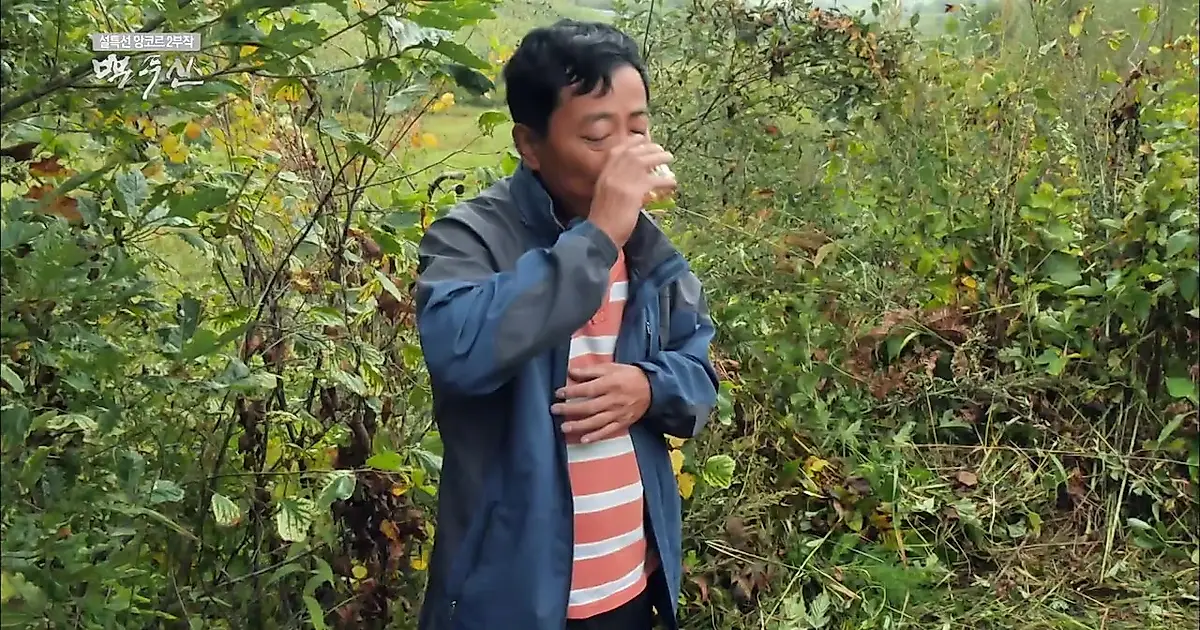
In mid-September, when the first snow begins to fall on the summit of Paektu Mountain, Idogwang Village, located at an altitude of 1,560m, enters a period of busy movement to prepare for the long winter. According to the KBS Environment Special video, the people of this place, called the first village below Heaven Lake, live with snow for about 200 days a year and maintain unique residential methods and dietary habits.
Traditional houses of Idogwang Village built with logs and wooden shingles
The houses in Idogwang Village have unique structures that one might only see in a museum. They use 'neowaji' (wooden shingles), made by splitting and cutting wood one by one, as roofs, and the walls take the form of 'dwit-teul-jip', where logs are fitted together in a hair-like pattern. The interior of the houses is characterized by a studio-type system with no distinction between the kitchen and the room.
Particularly notable is the cast-iron so-si (pot) placed inside the house. According to the explanation from a resident in the video, these pots, which have been used since old times, are sometimes used with up to four placed in a single house. Additionally, spaces for storing winter food are thoroughly separated. There are separate 'potato kkols' for burying potatoes to be eaten throughout the winter and 'kimchi kkols' for storing kimchi; these must be carefully monitored and managed to prevent animal intrusion and to prevent the storage rooms from collapsing due to heavy snow.
The shape of the village chimneys is also unusual. These chimneys, called 'Nakdamok-dolmi chimneys' because they look like they have long necks stretched out, are made of pine wood. This is a measure taken to prepare for the strong winds blowing in the village, designed to build the chimneys high to reduce the influence of the wind.
The winter table made with highland cabbage and potato starch
The cabbage grown in the highland area at an altitude of 1,560m is characterized by being densely packed due to the large temperature difference between day and night. The villagers harvest the cabbage and prepare it for kimchi making (kimjang). The characteristic of the kimchi seasoning here is that it is made mildly to preserve a refreshing taste, rather than making the seasoning strong, so that the kimchi does not easily sour even in midsummer.
On the day of kimjang, instead of boiled pork (suyuk), they enjoy 'Nongma noodles' which use potato as the main ingredient. Nongma noodles, which contain a lot of potato starch, have the difficulty of needing to be immediately dropped into boiling water as soon as they are pressed through the noodle mold. The process of rinsing them in water several times is essential to preserve the chewiness of the noodles. These noodles can be eaten as they are, hardened like rice cakes, or enjoyed in the form of Makari noodles, transforming into various foods utilizing potatoes.
Pollack, a specialty created by the cold winds of Paektu Mountain
As winter deepens, wooden 'deokjang' (drying racks) are erected throughout the village. This place is used as a location to dry pollack, a sea fish. When temperatures drop below zero, residents begin to hang pollack on the deokjang, hanging them upside down with the tails pointing upward. This is a method to ensure the pollack dries in a straighter and more aesthetically pleasing shape.
The reason why pollack, a sea fish, can reach the Paektu Mountain plateau is due to topographical characteristics. The extreme cold, fluctuating around minus 30 degrees Celsius, and the fierce winds blowing through every valley of Paektu Mountain provide optimal conditions for drying pollack. Combined with the geographical advantage of being adjacent to North Korea and Russia, pollack has now established itself as a representative specialty of the Paektu Mountain region.
The residents in the video are preparing for the long winter of Paektu Mountain by singing songs of their hometown and storing food in traditional ways even amidst the barren environment.



Comments 0