
How to calm a cat
Observe a cat’s body language, give it space, remove stressors, and introduce environmental changes slowly.
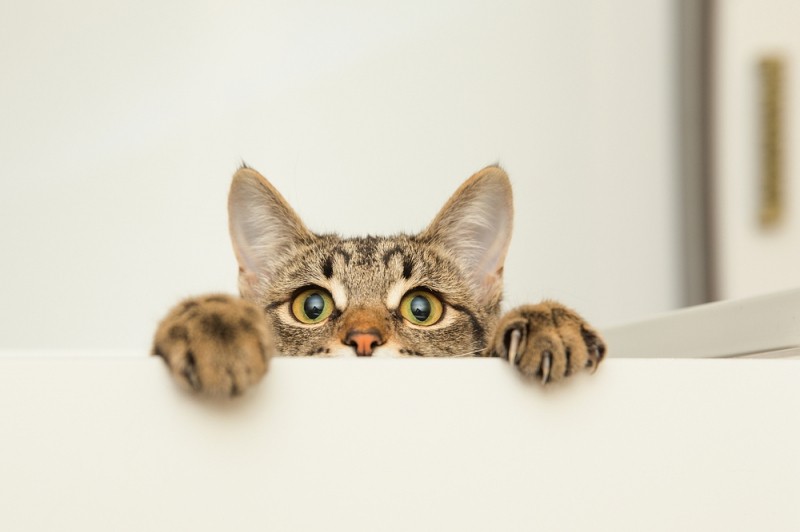
First, be cautious if the cat's body becomes stiff as if tense, if its pupil size changes, or if its ear movements and posture shift. In such situations, if the cat cries or makes sounds, it is a sign of stress.
There are several tips for calming a cat in these moments.
Novice owners often think that hugging and petting a cat when it is stressed will calm it, but the opposite is actually true. If a cat is on edge, do not approach or touch it; instead, allow it to spend some time alone. It is also better to consider why the cat is stressed and what changes have occurred in its environment, then remove the cause. It may take several hours for a cat to come down from a heightened or excited state. Rather than touching or hugging it, call its name or speak to it gently from nearby.
To calm a cat, you should also act and move slowly. In particular, if something in its environment has changed, introduce the change to the cat gradually. If you have adopted another pet, the cat may feel threatened and think that its territory has been invaded. In such cases, keep the resident cat and the new pet apart and let them become acquainted gradually. The same applies when a new family member arrives. Take your time and introduce the new family member to the cat in a consistent manner. It may take anywhere from a few days to several months for the cat to open up.
FAM타임스 명의로 발행된 기사를 모아 제공하는 매체 공용 저자 페이지입니다.


Comments 0