
Why do cats have an irresistible love for boxes?
Cats seek narrow spaces and boxes for security, warmth and stress relief, while safe hiding places require careful selection.
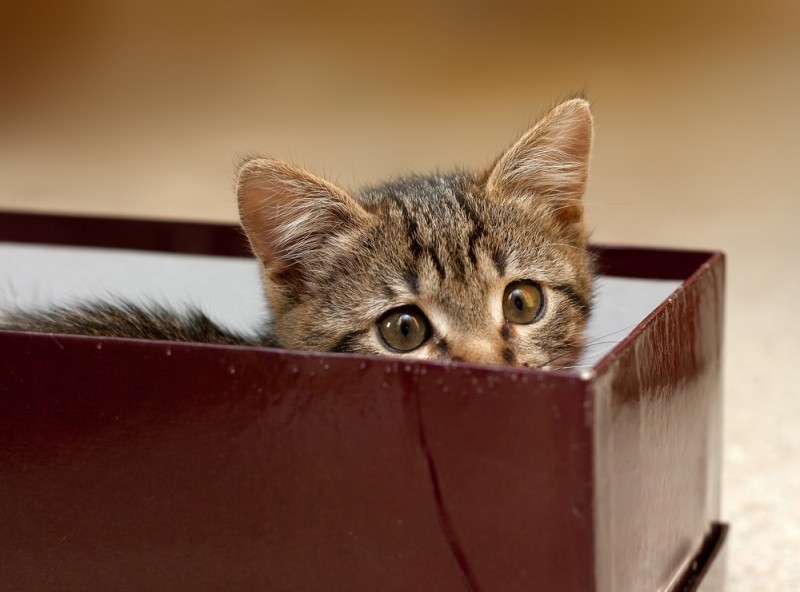
Understanding cat behavior is more difficult than understanding that of other animals. In any case, cats seem to prefer narrow spaces for physical and psychological stability. Why is it that cats have such an irresistible love for boxes?
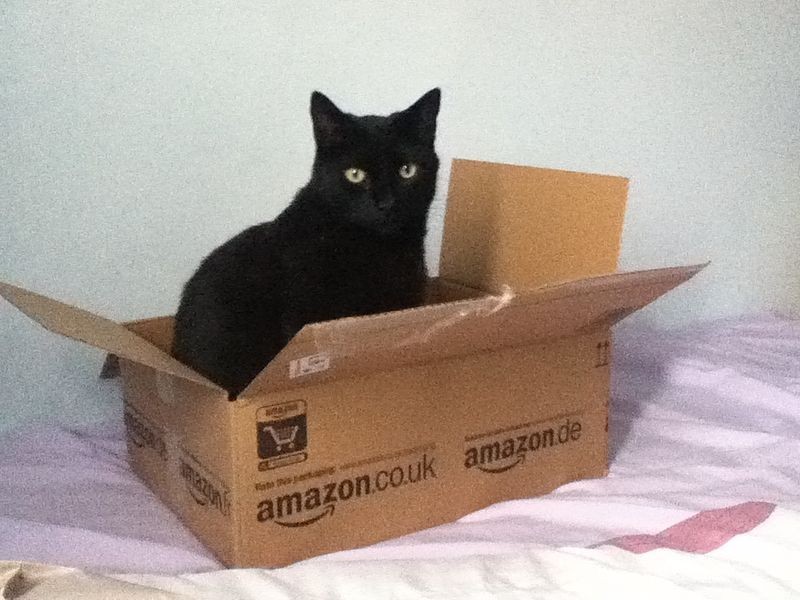
Experts say that cats also hide in narrow spaces to regulate their body temperature, as cats love warmth. Also, while exploring new places, cats may discover a spot they like and hide there.
Some cats show their bellies to people, much like dogs. Unlike dogs, cats do not like it when someone touches their belly because the belly is a vulnerable spot. Curling up in a narrow space, the so-called ''Nyangmonite'' is an instinctive behavior of cats to protect their vulnerable bellies while sleeping.
Cats also hide in boxes or narrow spaces to avoid things they dislike. For example, a cat that dislikes strangers coming into the house might hide under the bed, behind the sofa, or inside a closet to observe the situation.
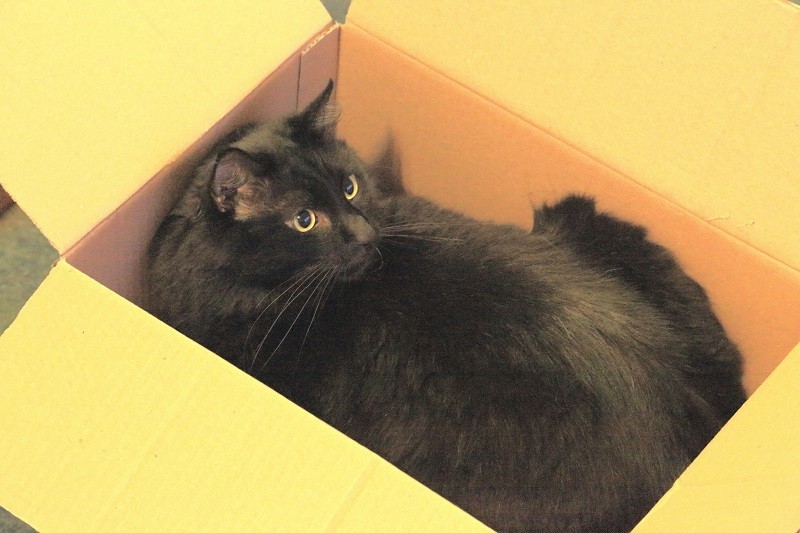
It is better to provide hiding spaces using safe cardboard boxes or cat bedding that the cat can easily enter and exit. Cats also like sinks or basins. Since they can lie in a snug spot and sometimes drink fresh water or watch running water, such places are ideal for cats.
Cats also rest under beds, under sheets, under sofas, under pillows, or inside washing machines or laundry baskets. Keep the doors of washing machines and dryers closed to prevent access, and always check to ensure a cat is not inside before operating them.
For cats that prefer soft and fluffy places over hard ones, they may bury themselves in their owner's pile of clothes inside closets or drawers. They may also flee to such places to avoid nail clipping or baths. For cat beds or cushions, cave-type houses with a roof and a small entrance are good, as they allow the cat to feel secure while hiding.
If your cat likes box-shaped houses, prepare a crate or carrier and line it with blankets or towels. If the cat becomes accustomed to the crate or carrier, it will be very useful when taking the cat to the veterinary hospital.
If you have multiple pet cats, you should prepare enough boxes to match the number of cats to prevent fighting. The same applies to scratching towers. Also, you must prevent cats from accessing unsafe places where they might hide. Otherwise, irreversible accidents can occur.
Furthermore, you should not move a cat to a specific place against its will or confine a cat in a specific place to punish it. If stress levels rise, the cat may tremble in fear or develop health problems.
[FamTimes = Reporter Lee Kyung-han]
FAM타임스 명의로 발행된 기사를 모아 제공하는 매체 공용 저자 페이지입니다.

Comments 0