
Positive reinforcement training for dogs
Positive reinforcement uses timely, consistent rewards such as treats, praise, petting, and play to encourage desired behavior in dogs.
The most important thing in positive reinforcement training is rewarding and praising the dog's behavior. You can give treats or praise them by touching their face or body. Since dogs want to continue receiving attention and praise from their owners, they repeat the behaviors that were praised.
Animal behaviorist Kate Mornement said that dogs greatly enjoy positive reinforcement training, respond well to it, and learn quickly. She added, “Positive reinforcement training is the most humane training method and supports dogs' welfare.”
In positive reinforcement training, praise or a treat must be given immediately after the dog performs the correct behavior.
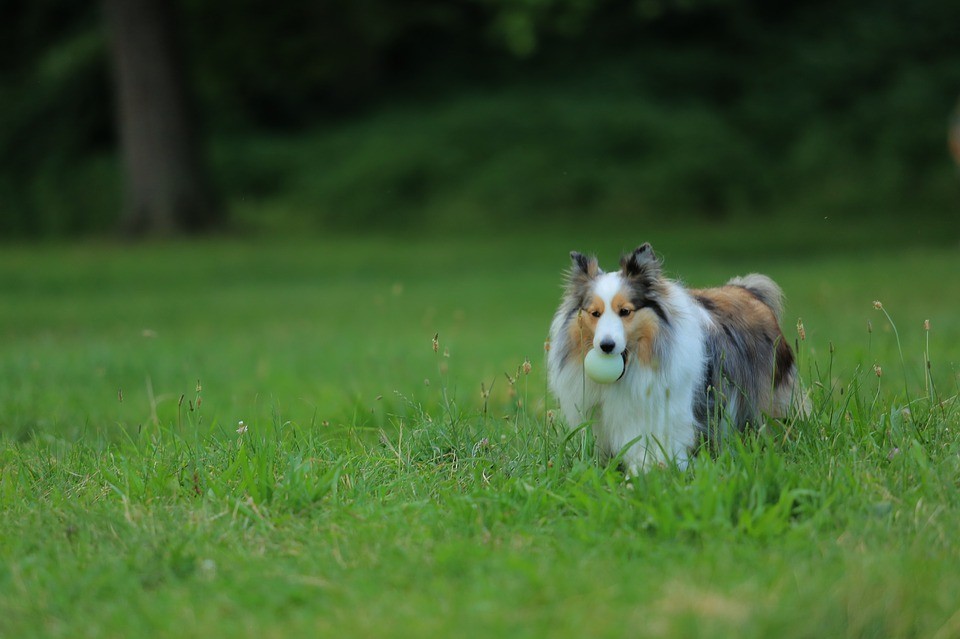
To find out which method is most effective for your pet, you must first understand the dog's behavioral patterns. If your dog prefers playing with a ball more than treats, it is better to reward them with ball play rather than treats during positive reinforcement training. If you have recently started raising a dog and have not yet identified their preferences, observe their reactions after providing various rewards such as treats, petting, or play.
Also, if you switch from praising with treats to praising verbally, a dog that prefers treats may lose interest in training.
Another thing to keep in mind in pet training is consistency. When teaching a new behavior to a dog, you must provide praise and rewards for the same behavior every time. If you do not repeat the same behavior multiple times and change the training steps abruptly while giving treats, the dog will quickly lose interest.
However, be careful that training treats do not cause the dog to become obese. All treats the dog consumes should be counted toward its daily calorie intake.
And verbal praise and treats each have their own advantages and disadvantages.
Verbal praise can be given anytime and anywhere, immediately after the animal completes the behavior. If praise is delayed, the dog will not be able to associate it with its behavior.
Treats can attract the dog's interest and attention and make the dog focus on training. However, there is the inconvenience of having to carry treats every time. Also, there is a concern that excessive treats may cause health problems for the pet. Furthermore, the dog might only respond to commands when treats are held in the owner's hand.
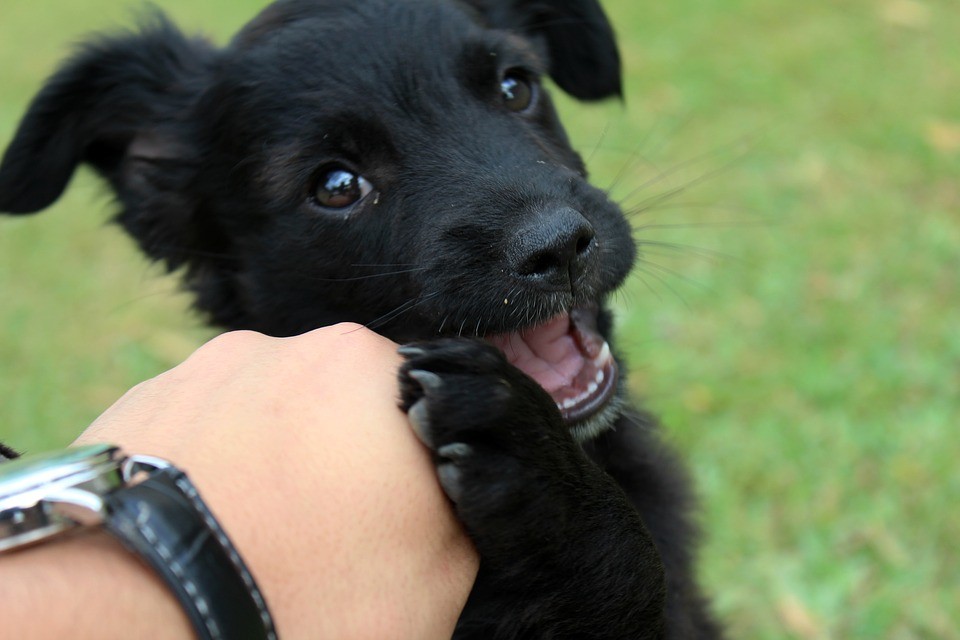
According to a U.S. animal welfare association, positive reinforcement training is effective regardless of how the dog is rewarded.
To associate a dog's correct behavior with praise, you must reward them immediately after the behavior occurs. Otherwise, the dog will think of the reward in connection with a different behavior.
And use short and precise words for commands. Dogs cannot understand long sentences. Therefore, use common and short words like 'sit,' 'stay,' and 'down.'
Keep commands consistent in any situation. If you and your family members use different commands, the dog will feel great confusion. Therefore, everyone should agree to use the same commands and reward the dog when it responds to them.
Reinforce correct behavior through positive reinforcement training, and be careful not to reward the dog when it performs behaviors you do not want.
Some commands can be particularly difficult to teach. In such cases, reward the dog at each stage as its behavior gets closer to the desired behavior, then encourage it to take the next step on its own.
Cut the treats used for training into small pieces so that the dog can swallow them quickly. Also, prepare various treats to prevent the dog from losing interest quickly. As explained earlier, treats, praise, petting, and play are frequently used rewards in positive reinforcement training.
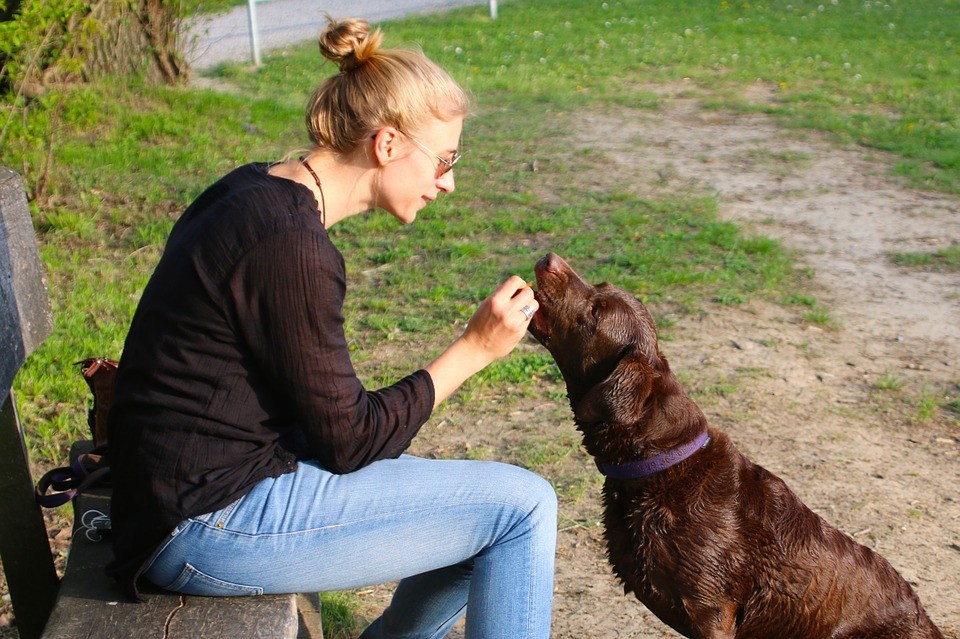
By training step-by-step like this, eventually, the dog will be satisfied with your verbal praise and the occasional treat.
FAM타임스 명의로 발행된 기사를 모아 제공하는 매체 공용 저자 페이지입니다.
Comments 0