
Do cats fetch balls like dogs?
Step-by-step reward training teaches cats to fetch, from choosing a toy and building focus to moving it back toward the owner.
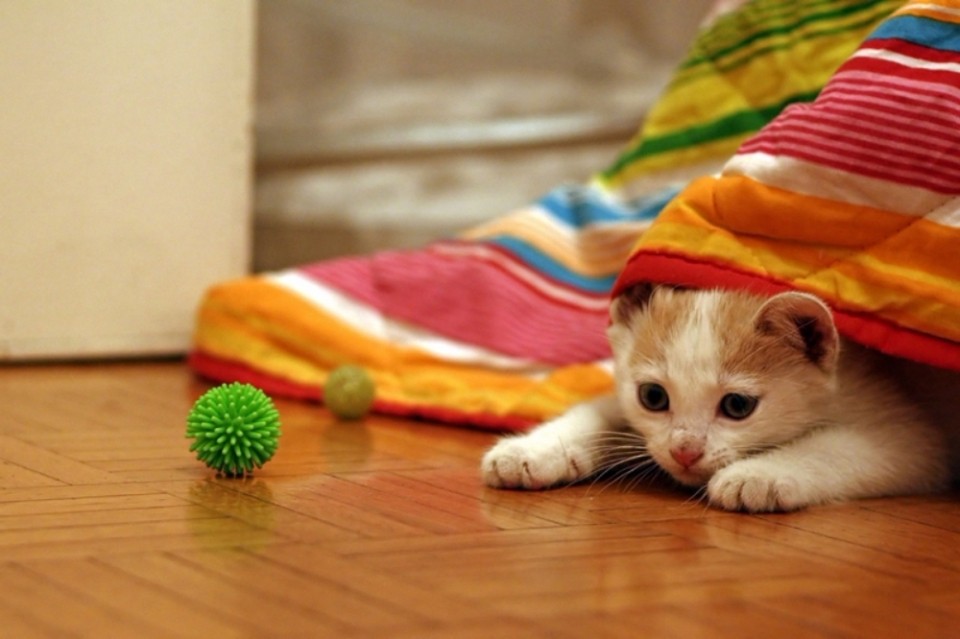
Choosing a toy
Before starting fetch training, you must find an appropriate toy. It should be a toy that the cat can chase, easily bite, and bring back. You should also select an interesting toy that catches the cat's attention. Small, light, and soft balls or plushies are ideal.
Mouse-shaped plushies that make a rustling sound when touched or squeaky balls are good items to start training with.
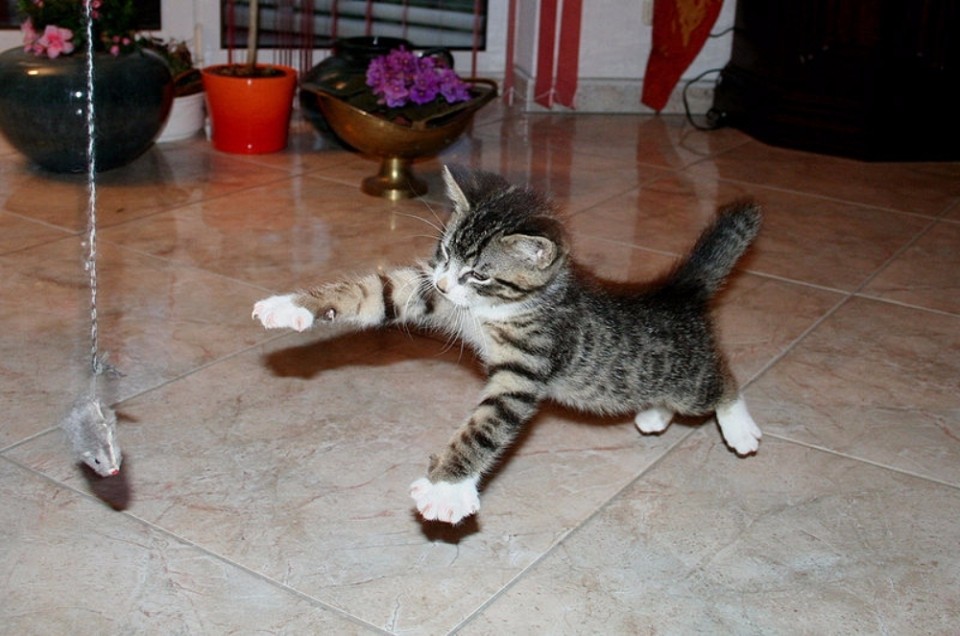
Once you have chosen a toy, the next step is to make the cat focus on it. Let's conduct reward training. Hold the toy a short distance from the cat's face. Be careful not to hide the toy entirely behind your hand or arm. Every time the cat shows interest in the toy, sniffs it, or tries to touch it with a paw, praise them with a treat. Repeat this until the cat immediately refocuses on the toy as soon as they eat the treat.
Another way to make the cat focus on the ball is to rub something the cat will like onto the toy. Catnip, sometimes described as “the drug of the cat world,” works well. Training becomes easier if the cat develops an affinity for the toy and becomes accustomed to it quickly.
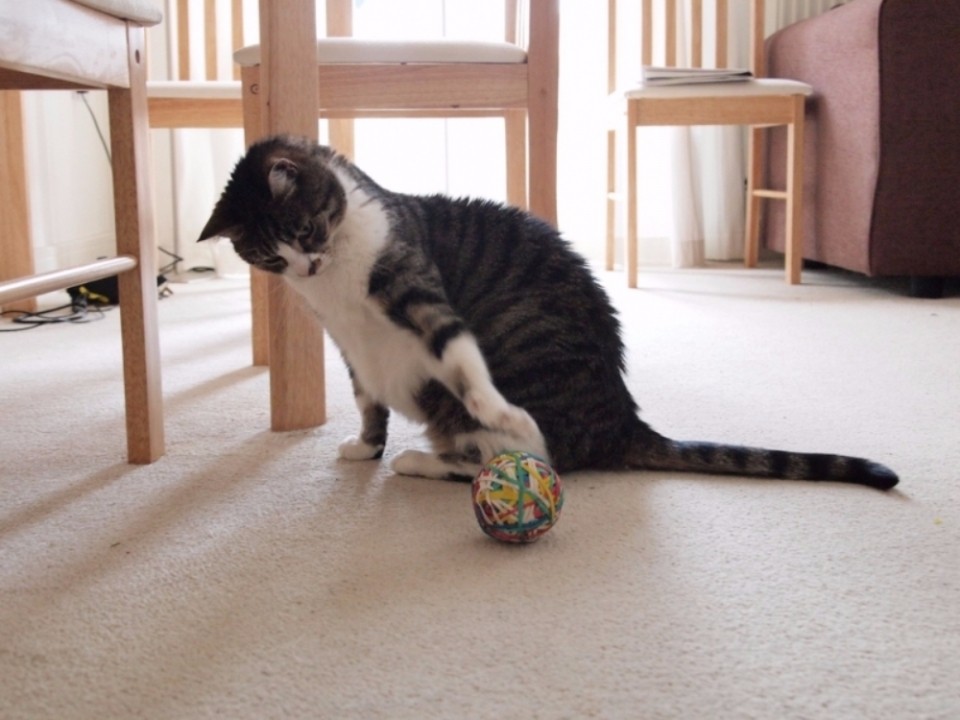
Once the cat is accustomed to touching or playing with the toy, the next step is to make them bite it. You can use simple commands during training. You can proceed slowly or at a slightly faster tempo depending on the cat's behavior. Of course, do not forget the treat rewards. If the cat touches the toy with its paw but you do not give a treat, they will likely try to bite the toy with their mouth. At that moment, praise them and give a treat.
Repeat until the cat becomes accustomed to biting the toy. Next, instead of holding the toy in your hand, try placing it on the floor. If the cat approaches to bite or touch the toy, praise them with a treat. Then, pick up the toy and move it to another location. Repeat the training until the cat continues to follow and approach the toy.
One thing to note is that you should not give the cat too much time, nor should you give them too little. If you move to the next step too quickly, the cat may not properly understand or follow the training. Conversely, if you give the cat too much time, they might lose interest.
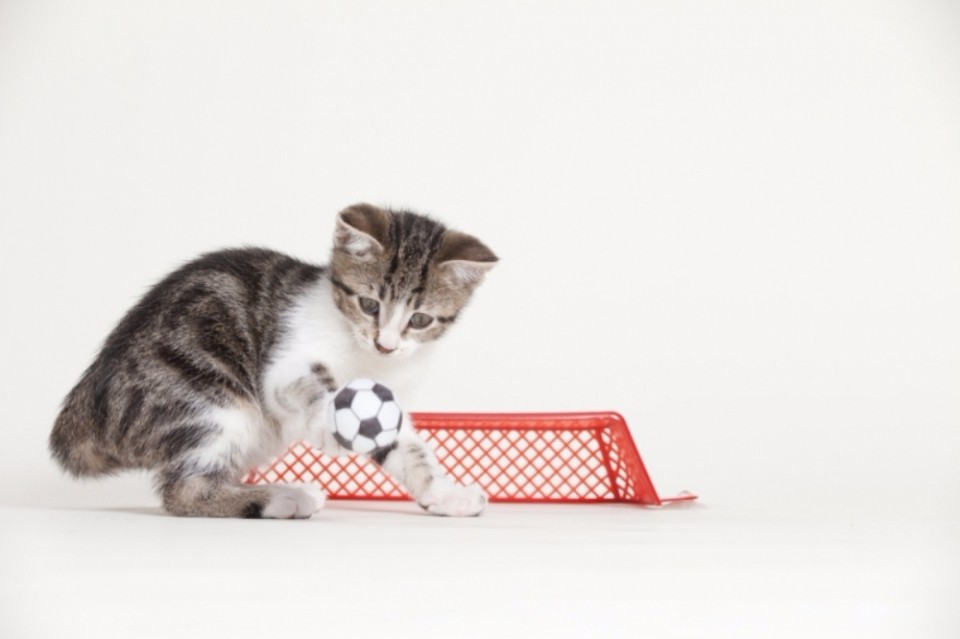
Once the cat is accustomed to approaching the toy voluntarily, try to make them roll or move the toy. Place the toy on the floor, and if the cat approaches, bites, and then moves or rolls it, give them a treat. Even if the distance moved is very short, you should reward them. Repeat the step of giving treats whenever the cat bites the toy and changes its position.
Setting a direction
The final step is to have the cat move the toy toward you. Place the toy on the floor and move a short distance away. Quietly observe the cat's behavior. If the cat bites the toy to bring it toward you or bats it with a paw to roll it toward you, give them a treat and praise them. Repeat until the cat performs these actions on its own without needing a treat. Once the training is complete, you will be able to play fetch with your cat.
FAM타임스 명의로 발행된 기사를 모아 제공하는 매체 공용 저자 페이지입니다.
Comments 0